A discreet, buyer-oriented checklist for evaluating private elevator openings at St. Regis® Residences Brickell, from legal control and access protocol to acoustics, service circulation, privacy, and long-term resale presentation.
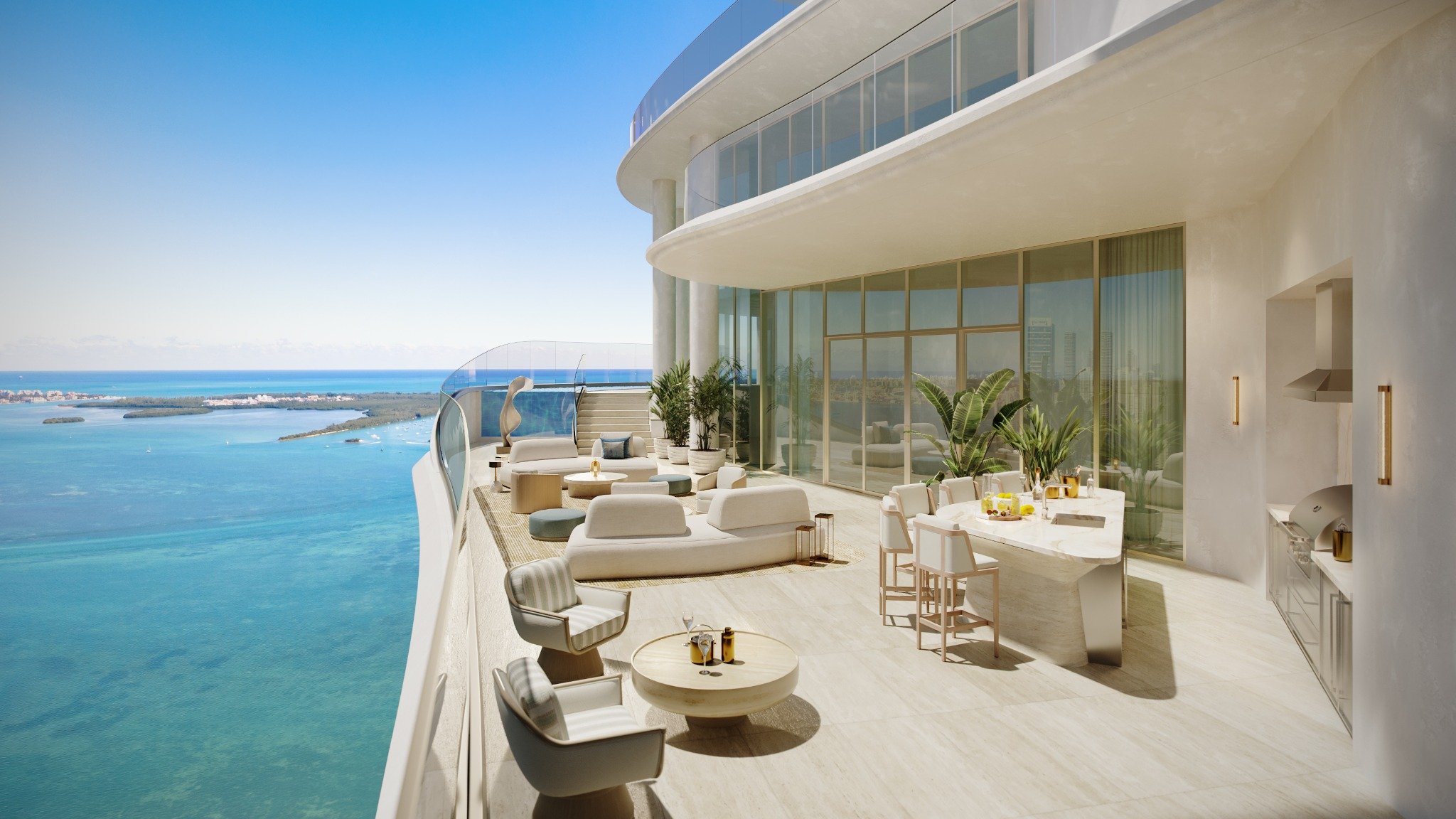
At St. Regis® Residences Brickell, the private elevator opening is more than a gracious first impression. It is the point where residence, service culture, privacy, and ownership rights meet. For buyers evaluating a 2026 purchase, that threshold deserves the same scrutiny as the kitchen, primary suite, terrace, or view corridor.
In a vertical luxury market, the elevator landing can shape daily comfort in quiet but meaningful ways. It determines how guests arrive, how deliveries are received, how staff circulates, how noise transfers, and how the residence presents when it eventually returns to market. The strongest due diligence treats the opening not as a decorative foyer, but as a functional room with legal, architectural, operational, and emotional consequences.
For portfolio language, this is a Brickell, New-construction, Pre-construction, High-floors, Waterview conversation centered on St. Regis® Residences Brickell. The buyer who studies the private threshold early is better positioned to understand what is truly exclusive, what is shared, and what can be personalized.
The first question is deceptively simple: who controls the private elevator opening? In many luxury towers, the space between the elevator door and residence entry may feel private, yet governing documents, life-safety requirements, and building standards may define it differently. Buyers should ask whether the foyer is part of the unit, a limited common element, or an area subject to association control.
That distinction matters. It can affect flooring, lighting, wall treatments, art placement, furniture, access hardware, cameras, signage, and future alterations. A buyer imagining stone slabs, integrated millwork, or a gallery-style arrival should confirm whether those ideas are permissible before assuming they can be executed after closing.
The most elegant outcomes are usually the most disciplined. A private elevator opening should look effortless, but it should also comply with building rules, fire egress requirements, elevator service standards, and any design guidelines that apply to the residence.
Private elevator access is only as refined as its operating protocol. Buyers should understand how residents, family members, guests, domestic staff, contractors, and building personnel will be credentialed. The conversation should include fobs, destination dispatch, elevator lock-off procedures, visitor approval, after-hours access, and emergency override.
Security should feel invisible, not improvised. A sophisticated buyer will ask where cameras may be located, whether a resident may add monitoring at the entry, and how privacy is balanced with building oversight. If the elevator opens directly into a foyer, the sequence should prevent accidental exposure of the home when the doors open.
Guest experience matters just as much. A branded residence carries an expectation of composure from curb to threshold. The arrival should be intuitive for an invited guest and controlled for everyone else. If that balance is unclear, the private elevator opening can become a point of friction rather than a point of distinction.
Finishes seduce. Plans reveal. Before focusing on marble, lacquer, metalwork, or lighting temperature, buyers should study the geometry of the elevator opening. Door swing, wall depth, sightlines, ceiling height, lighting placement, and the distance from elevator to residence entry all shape how the space will live.
A narrow opening may photograph well but feel compressed with luggage, strollers, pets, or catering equipment. A larger opening may create drama, but it may also require stronger acoustic planning and a clear furniture strategy. If the elevator doors open toward a principal living area, privacy and staging become central. If the opening is offset, the buyer may gain a more ceremonial sequence and better separation.
The strongest residences create a pause between arrival and reveal. That pause is where a collector can place art, where a host can welcome guests, and where the home begins to express its tone before the main living room appears.
Private elevator openings can transmit more than people. Sound, air movement, mechanical vibration, and corridor activity can affect the experience if not properly managed. Buyers should ask about door ratings, seals, elevator equipment proximity, ventilation, and any acoustic treatments planned for the foyer or entry wall.
In a waterfront urban setting, the issue is not only noise from the city. It is also the level of quiet expected inside a premium residence. The elevator arrival should not announce every movement in the stack, every service stop, or every late guest. If the residence is intended as a second home, the foyer should feel calm after a long absence, not like a transition through common infrastructure.
Odor control is another discreet point. Food deliveries, flowers, pets, and service carts may all pass through the same vertical system. Buyers should understand how ventilation and housekeeping protocols protect the residence from unwanted transfer.
A private elevator can be magnificent for owners and guests, yet the residence also needs an intelligent service plan. Buyers should ask how staff, housekeeping, maintenance, caterers, florists, dog walkers, stylists, and repair teams will move through the building and into the home.
If all access comes through the same private opening, the foyer must be designed for durability as well as beauty. Floors should tolerate rolling luggage and carts. Wall finishes should resist scuffing. Lighting should be flattering, but practical. If there is a separate service route, the buyer should understand when it can be used and how it connects to the residence.
This is where lifestyle becomes operational. A home that hosts frequently, receives wardrobe deliveries, or supports a household staff will place different demands on the private threshold than a residence used primarily for quiet seasonal stays.
Resale at the top of the market often depends on moments that feel memorable but not eccentric. The private elevator opening should be distinctive enough to signal privilege and restrained enough to appeal beyond one owner’s taste. A foyer that is too personalized may require a future buyer to discount the cost of correction. A foyer that is too plain may undersell the residence’s most exclusive arrival sequence.
The prudent strategy is to invest in proportion, light, material quality, and subtle detailing. Art can change. Furniture can move. But flooring transitions, lighting infrastructure, entry door treatment, and wall architecture are harder to revise. Buyers should confirm what can be modified before closing, what requires approval, and what should be deferred until possession.
A refined threshold also improves how the residence is shown. In ultra-luxury real estate, the first thirty seconds often shape the rest of the tour. The elevator doors open, the buyer steps forward, and the home begins making its case without a word.
Before committing, buyers should request clarity on the legal status of the elevator opening, permitted finish standards, access technology, association rules, insurance responsibilities, maintenance obligations, and any approval process for alterations. They should also ask how punch-list items in the foyer will be handled, especially if the space is partly outside the unit boundary.
The closing file should make the private arrival legible. If a buyer is purchasing for family use, the priority may be security and ease. If the purchase is part of a broader portfolio, consistency of presentation and long-term liquidity may matter more. If the residence will host frequently, service circulation and durability rise to the top.
The private elevator opening is one of the most revealing details in a luxury condominium. It is where architecture either anticipates real life or merely stages it.
Why does the private elevator opening deserve separate due diligence? It affects privacy, security, service flow, design control, daily convenience, and eventual resale presentation.
Should I assume the foyer is part of my residence? No. Buyers should confirm whether it is part of the unit, a limited common element, or governed by association control.
Can I customize the private elevator foyer? Possibly, but permitted changes may depend on governing documents, design standards, safety rules, and approval procedures.
What is the most important access question to ask? Ask how residents, guests, staff, contractors, and emergency personnel are credentialed and managed.
Why do acoustics matter at the elevator opening? A luxury residence should feel quiet and composed, even when elevator activity or service movement is nearby.
How should buyers evaluate finishes in the foyer? Prioritize durable, timeless materials and confirm that flooring, lighting, and wall treatments are allowed.
Is a larger private elevator opening always better? Not necessarily. Proportion, privacy, sightlines, and usability often matter more than size alone.
What should frequent hosts consider? Hosts should review guest arrival, catering movement, security protocol, and the foyer’s ability to handle traffic gracefully.
How can the elevator opening affect resale? It shapes the first impression of the residence and can signal either thoughtful ownership or future renovation work.
What is the best way to shortlist comparable options for touring? Start with location fit, delivery status, and daily lifestyle priorities, then compare stacks and elevations to validate views and privacy.
For a discreet conversation and a curated building-by-building shortlist, connect with MILLION.
If branded residences are on your mind — as a home or as an allocation — we would be glad to share what we are seeing, privately.
Begin a quiet conversation