
For Surfside luxury buyers, wellness should be tested as an operating system rather than admired as a rendering, while medical access should be evaluated address by address.
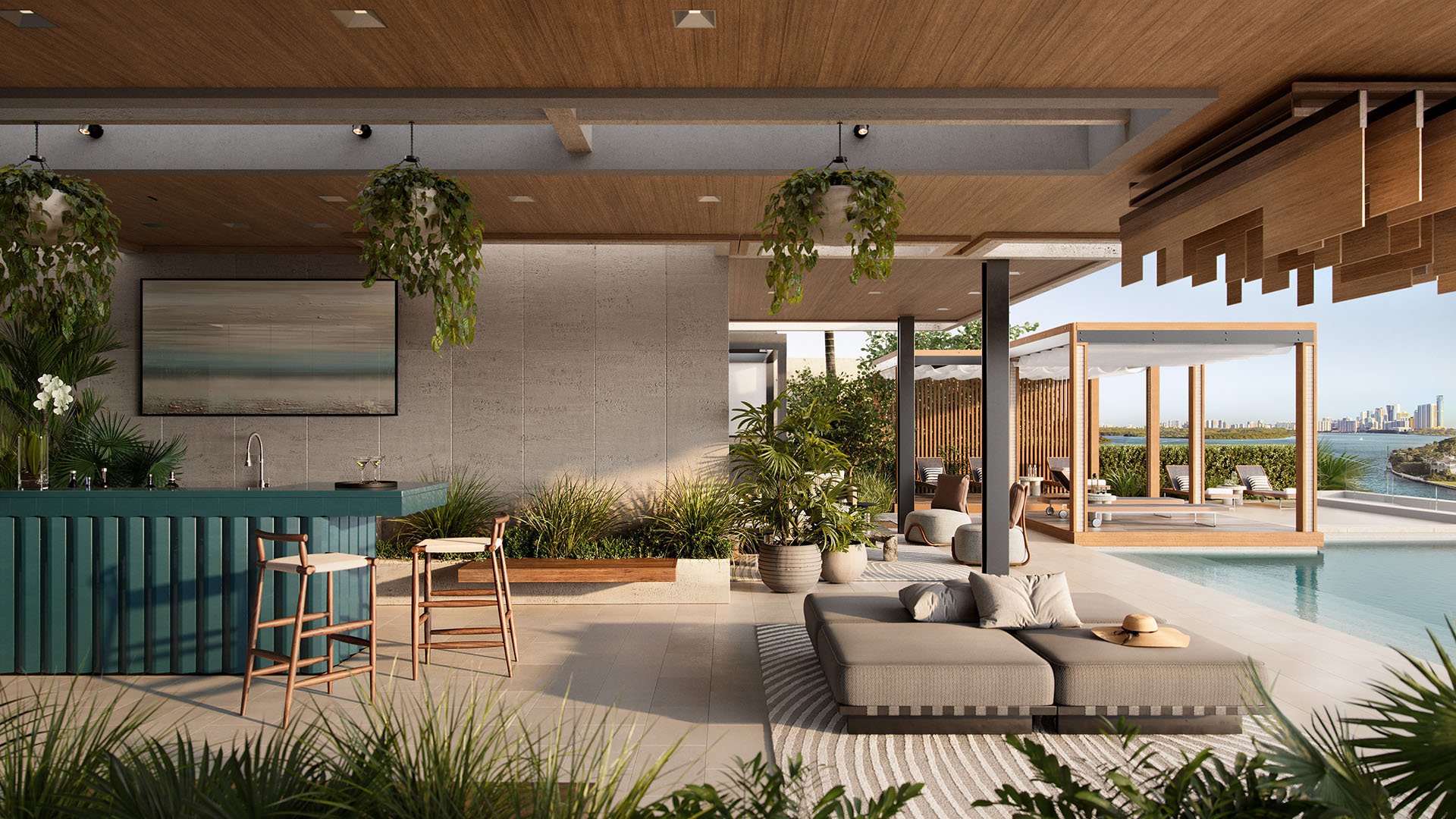
In Surfside, a luxury purchase can be assessed through architecture, exposure, privacy, service, and long-term suitability. Wellness amenities and medical proximity belong in that first conversation-not in a final review after a preferred residence has already captured the imagination.
The distinction matters because wellness extends beyond an amenity inventory. A serene treatment room, landscaped terrace, fitness studio, or pool may look compelling in presentation materials, yet the buyer’s experience will depend on operating hours, staffing, reservations, maintenance, privacy, and the route from the residence to each space. Medical proximity demands similar precision. A destination that appears convenient on a map may not suit a household’s particular needs, specialists, insurance arrangements, mobility requirements, or transportation preferences.
The objective is not to rank buildings by the length of their amenity lists. It is to determine whether a property supports the buyer’s actual routines with discretion and consistency.
Begin with the complete wellness program, then examine how it is intended to function after occupancy. Request the latest plans, specifications, operating assumptions, and governing documents available for review. Clarify which spaces are private to residents, whether appointments or guest access may be permitted, and how peak demand could be managed.
Buyers comparing Surfside options such as The Delmore Surfside and Ocean House Surfside should apply the same questions to each property rather than assume that similarly named spaces will deliver an equivalent experience. Focus on how each program aligns with morning exercise, recovery, quiet time, family use, and entertaining.
Operational details warrant particular attention. Ask who will manage each component, which services are included in common charges, what may carry an additional fee, and whether third-party practitioners could be involved. Review cleaning protocols, equipment-replacement expectations, sound separation, changing facilities, storage, and the path between wet and dry areas. If outdoor programming is important, consider shade, weather protection, and practical access without presuming year-round usability.
The private home often exerts greater influence on daily comfort than the shared spa. Assess natural light, glare control, bedroom placement, acoustic separation, ventilation, humidity management, filtration, water systems, materials, and ease of maintenance. Verify these elements through current project documents and qualified advisers rather than infer them from marketing language.
A balcony can add meaningful private outdoor space, but its depth, exposure, privacy, doors, drainage, and relationship to the interior rooms warrant close review. Oceanfront orientation may be desirable, yet the individual residence must still be tested against the buyer’s preferred balance of views, light, quiet, and shelter.
For a completed or existing residence such as Arte Surfside, a buyer may be able to examine physical conditions and current operations directly. For a new-construction purchase, the emphasis shifts to plans, specifications, contractual disclosures, anticipated operations, and professional interpretation. Neither approach eliminates diligence; it simply changes the evidence available at the time of decision.
“Near medical care” is too general to guide a luxury acquisition. Build a private care profile before comparing addresses. It may include primary care, preferred hospital affiliations, specialists, pediatric or senior care, rehabilitation, pharmacy access, diagnostic services, and recurring treatment. Buyers should independently confirm providers, locations, acceptance policies, and access arrangements.
Then test routes from the specific building entrance-not from the neighborhood in general. Consider ordinary traffic, higher-demand periods, overnight scenarios, mobility limitations, parking, driver access, and whether the household typically relies on a private car, professional driver, or emergency transport. Repeat the exercise for airport connections or out-of-area specialists if those journeys form part of the household’s care plan.
A buyer considering The Surf Club Four Seasons Surfside can apply the same address-specific route exercise to every candidate. The relevant question is personal: Does this exact residence fit the household’s established medical network and contingency planning?
Wellness spaces are inseparable from the building’s broader service model. Their value depends on staffing, maintenance, access control, scheduling, and financial support. Review the proposed or current budget, applicable fees, reserve information, insurance materials, and rules with qualified legal and financial advisers. Determine whether specialized facilities introduce recurring service contracts or usage charges.
Translate lifestyle preferences into observable requirements. If daily swimming is essential, ask about pool dimensions, hours, lane policies, temperature management, closures, and guest rules. If private training matters, examine equipment, floor area, scheduling, and instructor access. If quiet recovery is the priority, study adjacency, acoustics, capacity, and circulation rather than finishes alone.
The goal is a disciplined comparison matrix. Separate confirmed residence attributes, disclosed building provisions, operational assumptions, and items still requiring verification. This approach keeps visual appeal in perspective and makes trade-offs easier to recognize before contract deadlines.
A strong Surfside acquisition should support the life intended for it. Place wellness and medical access alongside layout, view, privacy, service, carrying costs, and ownership structure at the outset of the search. Eliminate candidates that fail to satisfy nonnegotiable care or comfort requirements, then conduct deeper legal, technical, and financial reviews of the finalists.
This approach is neither clinical nor cautious for its own sake. It protects the quality of daily life. In vertical luxury, the most persuasive residence is often the one whose private environment, shared amenities, operating model, and access plan work together without friction.
Why review wellness amenities before selecting a residence? An early review reveals whether the building’s spaces and operating model fit the buyer’s actual routines before preference hardens around a particular home.
Is an amenity list enough for comparison? No. Buyers should also examine access, capacity, staffing, privacy, maintenance, rules, fees, and the route from the residence.
What residence-level features deserve attention? Light, acoustics, ventilation, humidity management, filtration, water systems, materials, privacy, and maintenance requirements all merit review.
How should buyers evaluate medical proximity? Map the household’s preferred care network, then test address-specific routes, timing, transportation, and mobility needs.
Should specialists be considered separately from hospitals? Yes. A household’s recurring specialists, diagnostics, rehabilitation, pharmacy, and primary care may involve different destinations.
How does diligence differ for a new residence? Before delivery, buyers may rely more heavily on plans, specifications, disclosures, contracts, and anticipated operating arrangements.
What should be checked in an operating building? Review physical conditions, current rules, budgets, fees, maintenance practices, reservations, staffing, and actual resident circulation.
Why do amenity operating costs matter? Specialized spaces require management and upkeep, which may affect common expenses, additional charges, or future service decisions.
Who should assist with the review? Appropriate legal, financial, technical, insurance, medical, and real estate advisers can address different aspects of the decision.
What is the central buying principle? Choose the residence whose private environment, shared spaces, operations, and care access align with the household’s priorities.
For a discreet conversation and a curated building-by-building shortlist, connect with MILLION.
If branded residences are on your mind — as a home or as an allocation — we would be glad to share what we are seeing, privately.
Begin a quiet conversation
.jpg&width=700&height=438&fit=cover)