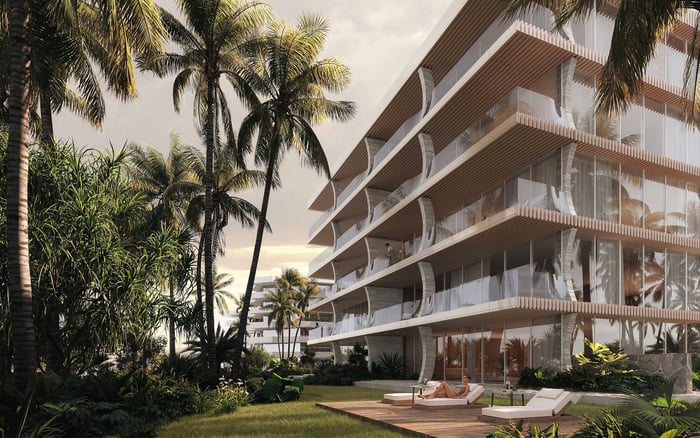
For seasonal buyers in Palm Beach Gardens, operational readiness deserves the same early scrutiny as design. Staffing authority, access, storm lock-up scope, insurance coordination, and post-event reporting should be defined before ownership begins.

For a seasonal buyer, a residence is not fully resolved when the interiors are complete and the keys delivered. It must also be manageable from a distance. In Palm Beach Gardens, that means establishing who will watch the property, who may enter it, what storm preparation entails, and how decisions will be communicated while the owner is away.
These questions should not wait until closing. They can shape the preferred ownership format, staffing budget, insurance conversations, vendor selection, and even the practical appeal of a particular residence. For MILLION readers, the relevant categories may include New-construction, Second-home, and Waterfront ownership, but the central issue remains consistent: operational confidence should be designed into the purchase.
A buyer considering The Ritz-Carlton Residences® Palm Beach Gardens can use the early review period to clarify which responsibilities may sit with the residence, which may sit with the building, and which require an independently retained professional.
“Property management” can describe widely different levels of attention. A buyer should replace that broad phrase with a written scope. The brief might distinguish among routine inspections, climate and leak checks, vendor supervision, housekeeping coordination, vehicle attention, mail handling, arrival preparation, and departure close-down.
Authority matters as much as frequency. Who may approve an urgent repair? Is there a spending threshold? Which household representative receives updates? If a vendor requires entry while the owner is abroad, who verifies the appointment and supervises access? A concise decision tree can prevent confusion at precisely the moment when speed matters.
The reporting format also warrants agreement. Some owners prefer a brief written confirmation after each visit; others expect photographs, issue logs, and invoices. The right approach is the one aligned with the residence, the owner’s tolerance for delegation, and the household’s complexity. Thoughtful Buyer's Guides should place this practical standard alongside aesthetic and financial considerations.
Storm lock-up should be treated as a defined service, not an assumed courtesy. The owner, residence representative, building management, and outside vendors should each understand their role before severe weather becomes an immediate concern.
The review should address exterior furniture and loose objects, openings and protective systems, terraces, drainage observations, vehicle arrangements, refrigeration decisions, backup power procedures, and the handling of art or other sensitive contents. Not every item applies to every property, making a residence-specific checklist more useful than a generic promise.
Timing and authorization require equal clarity. Determine who initiates preparation, how the owner is notified, whether advance approval is required, and what happens if the owner cannot be reached. The plan should also cover post-event access, visual assessment, documentation, remediation authority, and the sequence for contacting relevant professionals.
Insurance alignment belongs in the same discussion. A staffing or lock-up plan should be reviewed alongside the owner’s policy, applicable building documents, and vendor agreements. The objective is not to shift responsibility casually, but to identify gaps before they become consequential.
Vertical luxury can centralize certain operational functions, but buyers should never infer the precise division of responsibility from branding or service language alone. Ask which areas and systems fall within the building’s remit, which remain exclusively within the residence, and whether personnel may enter a private unit while the owner is absent.
A comparison with Palm Beach Residences or The Ritz-Carlton Residences® West Palm Beach can help a buyer refine the same questions across different Palm Beach settings. The purpose is not to presume equivalent services, but to compare responsibility, authorization, communication, and response protocols on a consistent basis.
A single residence can offer greater control, but it may also require the owner to assemble and supervise a broader team. Due diligence should assign every recurring and emergency task to a named party. If two parties appear responsible, the arrangement may still contain a gap.
Remote ownership depends on controlled access. Buyers should understand how keys, credentials, alarm information, and vendor permissions will be held. Access records, escort expectations, and revocation procedures should be established before a household manager or caretaker begins work.
Continuity is equally important. Ask what happens if the primary contact is unavailable, a vendor changes personnel, or communications fail. A secondary contact and an updated property file can preserve order without granting unnecessarily broad authority.
For another vertical comparison, Forté on Flagler West Palm Beach offers buyers a further context in which to ask who coordinates private-residence access and who communicates building-level actions. Again, the inquiry should center on disclosed documents and direct written answers rather than assumptions.
The most useful deliverable is a compact operating file. It can contain the responsibility matrix, contact hierarchy, approved vendors, access instructions, spending limits, insurance contacts, inventory priorities, arrival and departure checklists, and the storm preparation and recovery sequence.
Before leaving the residence for an extended period, the owner can conduct a tabletop review with the relevant parties. Walking through a hypothetical leak, power interruption, access issue, or storm preparation request will quickly reveal unclear authority. Any ambiguity should be corrected in writing.
This approach is discreet rather than dramatic. It protects the owner’s time, supports the residence team, and allows architecture and service to perform as intended. Seasonal readiness is ultimately part of luxury itself: the confidence that the home remains carefully governed, even from afar.
When should seasonal staffing be reviewed? Begin during due diligence so service scope, access, and cost can inform the purchase decision.
Is building management the same as private residence management? Not necessarily. Buyers should obtain a written division of duties for common and private areas.
What should a caretaker’s written scope include? It should identify inspection tasks, reporting, vendor supervision, access authority, and emergency limits.
Who should authorize storm preparation? The owner should designate a primary decision-maker and a backup, each with clear spending authority.
Should storm lock-up include post-event work? Yes. The plan should address access, documentation, assessment, communication, and authorized next steps.
How often should an absent residence be checked? The schedule should reflect the property, policy requirements, systems, season, and professional advice.
What documents should be reviewed for a vertical residence? Review applicable purchase, association, management, insurance, access, and service documents with advisers.
Can an owner rely on verbal service assurances? A written scope and clear authority are preferable because they reduce ambiguity among owners, staff, and vendors.
What is the most important remote-access safeguard? Use controlled credentials, named permissions, access records, and a prompt process for revoking access.
Why complete a tabletop review before departure? A simulated scenario can expose missing contacts, conflicting duties, and unclear approval thresholds.
When you're ready to tour or underwrite the options, connect with MILLION.
If branded residences are on your mind — as a home or as an allocation — we would be glad to share what we are seeing, privately.
Begin a quiet conversation