A move from Atherton to North Bay Village calls for more than a change of address. Buyers should coordinate Florida domicile evidence, January 1 occupancy, trust language, deed titling, California benefits, and estate documents as one integrated planning exercise.
For an Atherton household choosing North Bay Village, the most consequential decisions begin well before the furniture arrives. The purchase may be a lifestyle choice, but Florida homestead treatment depends on a precise combination of ownership, occupancy, and intent. A buyer generally needs legal or equitable title and must use the property as a permanent residence as of January 1 of the relevant tax year.
Permanent residence means more than spending substantial time in Florida. It combines actual occupancy with a present intention to remain indefinitely and no present intention to move. A Florida driver’s license, voter registration, vehicle registration, and declaration of domicile may help demonstrate that intent, but those records should tell the same story as the deed, trust, tax filings, and day-to-day use of the home.
The strongest plan makes ownership, occupancy, and intent tell one consistent story.
For buyers seeking first-year eligibility, the calendar is structural. Closing and establishing permanent occupancy after January 1 may postpone eligibility until the following tax year. The homestead application, Form DR-501, is generally due by March 1 and is filed with the Miami-Dade County property appraiser rather than a statewide office.
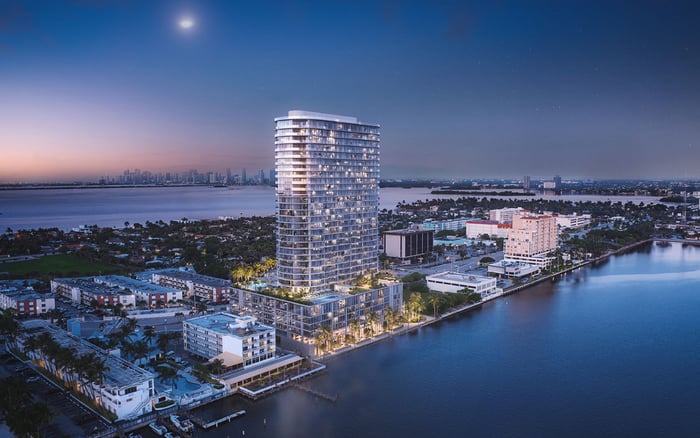
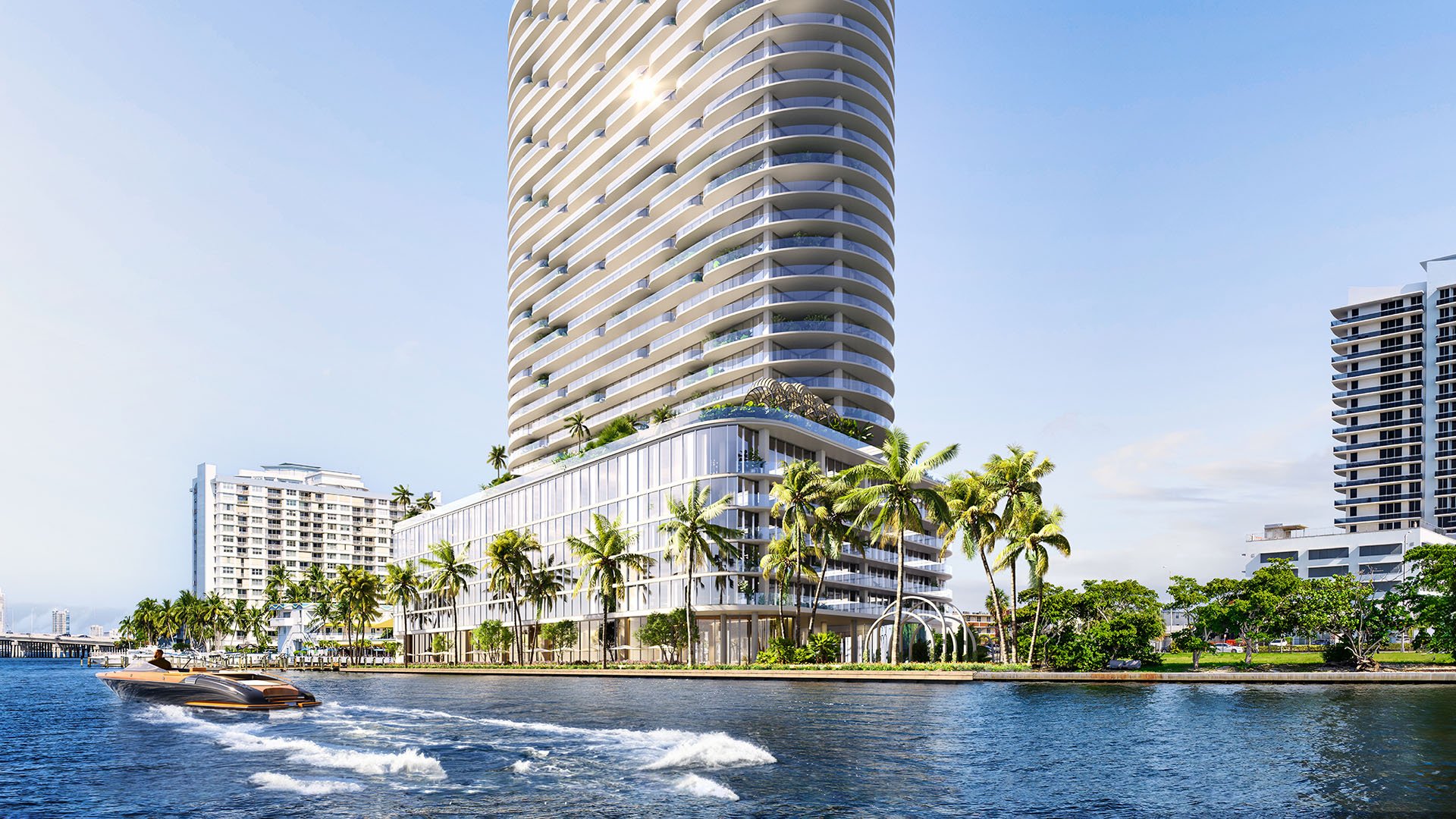
That distinction matters for an Atherton buyer planning a year-end move. New-construction timing, a delayed closing, or an unfinished residence can determine whether permanent occupancy exists on January 1. Buyers considering Continuum Club & Residences North Bay Village should therefore place the residence timeline alongside the legal and tax timeline rather than treat them as separate workstreams.
A practical file may include the recorded deed or property-tax bill, residency documents, and, when a trust owns the home, evidence of the beneficiary’s right to occupy it. The objective is not simply to collect documents, but to eliminate contradictions among them.
Many Atherton buyers arrive with a California revocable trust already holding substantial assets. That trust should not automatically take title to the North Bay Village residence without review. Florida can recognize equitable title when a trust beneficiary has a qualifying right to use and occupy the property as a permanent residence.
A homestead-compatible trust should identify the Florida property as the settlor’s residence and expressly preserve a continuous lifetime right to use, occupy, and possess it. The deed, trust provisions, and property schedule should align. Record ownership in the trust’s name, standing alone, does not clearly establish the beneficiary’s possessory interest.
A properly drafted revocable living trust may preserve homestead eligibility. An irrevocable trust demands closer analysis because the resident must retain a qualifying beneficial interest. An LLC is generally less compatible with an individual homestead claim because entity ownership does not ordinarily provide the resident with the same legal or equitable interest available through direct ownership or a properly structured trust.
For a waterfront home, this is an ownership decision with estate-planning consequences, not a clerical choice. Buyers comparing Shoma Bay North Bay Village should settle the intended ownership structure before the deed is prepared, whenever feasible.
Florida homestead is not a single, indivisible benefit. The property-tax exemption, constitutional creditor protection, and restrictions on transfer at death each have distinct requirements. Qualifying for one should not be treated as automatic confirmation of the others.
Estate documents require particular scrutiny when there is a surviving spouse or minor child. Florida restrictions can limit how a homestead residence passes at death, so the dispositive language in a California plan may not produce the intended result once the Florida home becomes the principal residence. Wills, revocable trusts, marital provisions, powers of attorney, and beneficiary arrangements should be read together with the deed.
The review should resolve practical questions. Who holds title? Who has the present lifetime right to occupy? What happens at the first spouse’s death? Does the plan attempt a transfer that Florida law may restrict? Does an irrevocable structure leave the resident with sufficient beneficial interest? These issues are especially relevant when the home is a meaningful investment rather than a minor estate asset.
A move to Florida does not require the sale of an Atherton property, but retaining it can complicate the evidence of permanent residence. Florida denies its homestead exemption to a person claiming another state’s ad valorem exemption or tax credit when permanent residency is required for that benefit. Any California property-tax benefit conditioned on permanent residency should be identified and relinquished before claiming Florida homestead.
This is where Florida and California advisers should coordinate rather than work sequentially. The team should compare domicile records, existing trust language, deed instructions, tax positions, and the status of any residency-based California benefit. A second-home narrative is not equivalent to permanent Florida residence, regardless of the quality or frequency of occupancy.
Buyers who continue to divide their time between coasts should avoid casual inconsistencies. The addresses used on licenses, voter records, vehicle registrations, declarations, trust schedules, and property records should reflect the position the household intends to support.
North Bay Village offers several ownership paths, and each purchase timeline can shape execution. A buyer evaluating Tula Residences North Bay Village may face a different closing and occupancy sequence from a purchaser of an immediately usable home. The legal framework remains the same, but the order of actions may differ.
Nearby options may also enter the comparison. If the search expands toward The Well Bay Harbor Islands or Miami Beach, the filing county remains tied to the location of the selected home, while permanent-residence evidence remains personal to the owner. The choice of residence should therefore precede final deed drafting and any homestead assumptions.
A disciplined pre-closing sequence is straightforward: confirm the intended permanent residence, review the existing California trust, choose direct or trust ownership, draft any Florida homestead provision, align the deed and trust schedule, identify conflicting residency benefits, and map occupancy against January 1. After closing, complete domicile records and prepare the Miami-Dade filing before the general March 1 deadline.
The elegant result is not the most elaborate structure. It is the structure in which the estate plan, title, residency evidence, and actual living pattern all support the same conclusion. Marital status, minor children, retained California real estate, and the type of trust can materially alter the appropriate approach, making individualized Florida and California legal and tax advice essential.
For Atherton buyers, North Bay Village can become a genuine Florida home without dismantling a sophisticated estate plan. It does, however, require revising that plan for Florida rather than merely carrying it across state lines.
For discreet assistance exploring North Bay Village residences, connect with MILLION.
If branded residences are on your mind — as a home or as an allocation — we would be glad to share what we are seeing, privately.
Begin a quiet conversationThe owner generally needs legal or equitable title and must occupy the home as a permanent residence as of January 1 of the tax year.
Form DR-501 generally must be submitted to the relevant county property appraiser by March 1.
The owner files with the Miami-Dade County property appraiser because the application is made in the county where the home is located.
Potentially. The resident beneficiary must have a qualifying legal or equitable interest, including a clear right to use and occupy the property.
Not automatically. It should be reviewed for a Florida homestead provision preserving the resident’s continuous lifetime right to use, occupy, and possess the home.
It may, but the arrangement requires closer review because the resident must retain a qualifying beneficial interest.
Generally, LLC ownership does not provide the individual resident with the same qualifying legal or equitable interest as direct or properly structured trust ownership.
Florida can deny its exemption when the owner claims another state’s ad valorem benefit conditioned on permanent residency. Conflicting California benefits should be identified and relinquished before filing.
Florida homestead restrictions can limit how a principal residence transfers at death, so dispositive provisions should be reviewed for those family circumstances.
Evidence may include a Florida driver’s license, voter registration, vehicle registration, declaration of domicile, ownership records, and applicable trust documents.