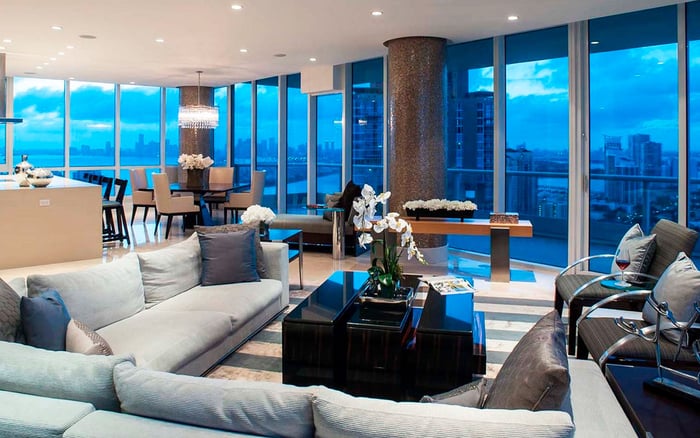
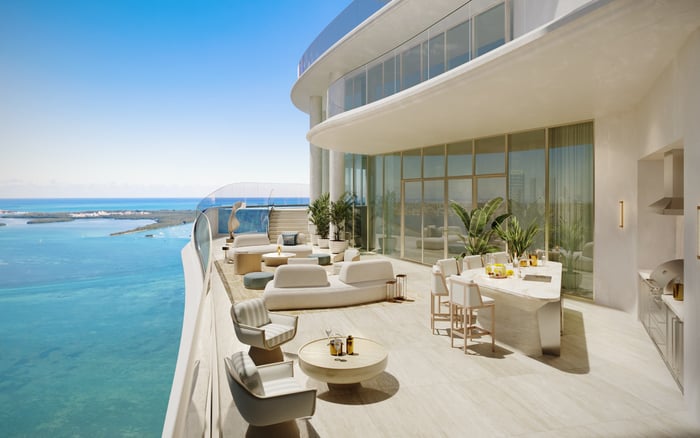
Miami International Boat Show week can serve as a practical stress test for a seasonal residence. A strong lock-and-leave plan coordinates event-week logistics with unit access, climate oversight, emergency authority and a documented post-departure inspection.
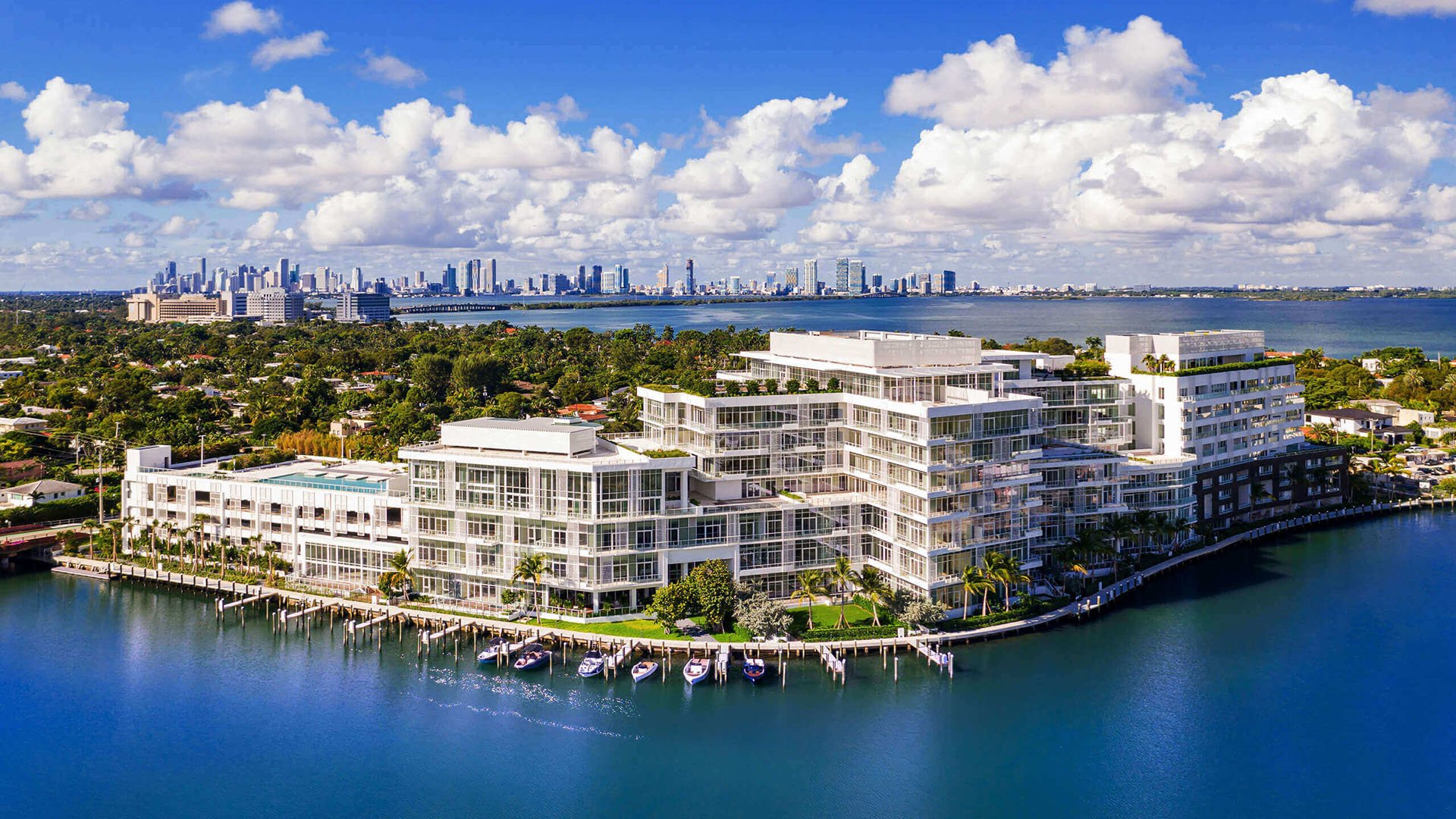
For seasonal owners, Miami International Boat Show week is more than a date on the social calendar. It can compress arrivals, guest schedules, housekeeping, provisioning, vehicle movements and vendor appointments into a narrow window. A residence that operates smoothly during an ordinary stay may require more deliberate coordination when owners, guests and service providers are moving through Miami at the same time.
The most successful lock-and-leave residence is managed as a system, not a last-minute checklist.
The practical objective is simple: finish essential residence work before the busiest part of the stay, keep event-week requests limited to what is necessary and leave behind a documented operating plan. That approach reduces avoidable dependencies without requiring the owner to predict every delay.
Location influences how an owner sequences service and transportation. At a Miami Beach residence, deliveries, staff travel and owner movements may require additional coordination during a major event. Buyers considering The Perigon Miami Beach can apply this operational lens when assessing how a future seasonal home may function during high-demand periods.
Owners comparing residences on the mainland should ask the same questions. At Villa Miami and Aston Martin Residences Downtown Miami, the relevant issue is not only the owner’s route to an event. It is also how housekeepers, drivers, technicians and deliveries can reach the residence when schedules tighten.
Whenever possible, complete appliance repairs, art handling, deep cleaning and other access-dependent work before event week. Confirm loading procedures, service-elevator reservations and vendor credentials with the building. If a delivery cannot be moved, designate an authorized recipient and allow flexibility in the schedule.
A polished arrival begins before the owner opens the door. A local manager or designated unit watcher can inspect the residence, review climate conditions and confirm that lighting, water service and essential appliances are operating as expected. Any concern should be documented and addressed before guests or scheduled vendors arrive.
Preparation should reflect the residence itself. A condominium, waterfront unit and single-family home may require different checks, while the owner’s responsibilities may differ from those of the association or building team. Outdoor furnishings, openings, mechanical systems and owner-controlled areas should be reviewed under the property’s established care plan.
The residence’s condition can be recorded with dated photographs or video before and after an extended absence. This creates a practical baseline for remote oversight and helps the owner evaluate any later concern. Contact details for the building, residence manager and approved vendors should also be current and easy to retrieve.
The post-event departure deserves the same discipline as the arrival. Lock-and-leave obligations vary by property, so the building’s current rules and the residence’s established operating plan should govern. Owners should confirm requirements directly rather than relying on assumptions from another condominium or a prior season.
A written checklist can address water controls, climate settings, perishables, balcony items, bicycles, vehicles and opening protection where applicable. It should identify who will inspect the residence after departure, how that person will report findings and what happens if a building notice or urgent condition requires access.
Access planning should also account for circumstances in which normal entry procedures are disrupted. The owner and building should know which authorized person holds the necessary keys or credentials. Vehicle arrangements deserve similar attention, including any building-specific instructions for an unattended car.
Owners evaluating Una Residences Brickell, or another waterfront condominium, can request relevant access, garage and emergency procedures during due diligence. A well-appointed common-area operation does not automatically define the level of support available inside a privately owned residence.
A local manager can coordinate vendors, monitor the residence, perform scheduled checks and respond after an owner leaves Miami. Proximity alone is not enough. The arrangement should define authority, access and communication in writing.
An owner can establish a spending limit for urgent work and separate it from routine expenses or decisions requiring additional approval. The manager’s contact information and access authorization should be recorded with the building when permitted. Owners should also confirm how keys, credentials and vendor approvals are handled.
The same document can establish an inspection schedule and reporting format. A concise update with dated images may cover visible moisture, climate operation, balcony security and completion of approved work. After a building incident or severe-weather concern, the protocol can shift to a prompt inspection once access is permitted and conditions are safe.
Concierge service and private residence management may serve different purposes. One can support the owner’s stay, while the other can maintain continuity between stays. Seasonal owners should define each role rather than assume that one service includes the other.
Lock-and-leave capability belongs alongside views, finishes and amenities in a seasonal buyer’s evaluation. Request current procedures covering keys, water controls, staffing, emergency communication and private-unit access. Ask whether building personnel support interior checks and whether an outside manager may be authorized.
Review garage procedures, vendor entry and service scheduling. Determine how the building communicates with absent owners and which responsibilities remain with the unit owner. If boating is central to the purchase, distinguish proximity to the water from the residence’s actual access arrangements and service policies.
Event details can vary, so plans should be based on the relevant edition of the Miami International Boat Show and the building’s current requirements. Travel, guest schedules, deliveries and residence work should be confirmed against those details before the stay.
The luxury of a seasonal Miami residence lies not only in the arrival, but also in knowing that the property has been prepared, monitored and secured without improvisation. Boat show week brings that standard into focus by testing timing, staffing, access and communication.
A well-run plan remains discreet: work is completed early, authority is clear, updates reach the right people and departure initiates an orderly handoff. For tailored guidance on South Florida residences suited to an exacting seasonal ownership strategy, connect with MILLION.
If branded residences are on your mind — as a home or as an allocation — we would be glad to share what we are seeing, privately.
Begin a quiet conversationA major event can concentrate owner arrivals, guest plans, vendor visits and residence servicing into a short period. Advance coordination helps reduce avoidable conflicts.
Whenever possible, repairs, deep cleaning and other access-dependent work should be completed before event week.
A designated local contact can review access, climate operation, lighting, water service and essential appliances under the residence’s care plan.
The checklist can cover water controls, climate settings, perishables, outdoor items, vehicles, access and the next scheduled inspection.
A trusted and properly authorized local manager or unit watcher should have the keys or credentials permitted by the building.
Written authority clarifies which urgent actions the manager may take and which decisions still require the owner’s approval.
A concise report may include dated images, visible conditions, climate operation, security checks and the status of approved work.
Not necessarily. Owners should confirm the scope of each service and define responsibility for the private interior of the residence.
Buyers should ask about keys, water controls, emergency communication, garage procedures, vendor access and private-unit inspections.
No. Owners should confirm the relevant show details and current building procedures before arranging travel, guests, deliveries or property work.