A low-floor Miami condominium can merit a premium when private outdoor space and meaningful access outweigh the compromises in views and privacy. The distinction depends on documented rights, daily usability, comparable sales and building-level diligence.
In Miami's luxury condominium market, elevation is often shorthand for desirability. Higher floors can offer broader views and greater separation from street activity. A lower residence with a genuinely private garden, a usable terrace or a controlled connection to outdoor amenities offers a different proposition: daily life organized around access rather than altitude.
Any premium belongs to those rights and spaces, not to the floor number itself. A residence overlooking a pool is not equivalent to one with its own plunge pool. A home described as having beach access is not necessarily beachfront. The buyer's task is to establish what is exclusive, what is shared and what is convenient in practice.
The most persuasive low-floor purchase is not simply an exception to the view hierarchy. It offers a different residential experience, supported by documents and priced to withstand comparison with alternatives.
A garden can make condominium living feel closer to a villa, but the description alone tells a buyer little about ownership. Determine whether the outdoor area is deeded, designated as a limited common element or assigned for exclusive use. Have counsel identify the applicable rights, restrictions and maintenance obligations.
For a buyer considering Colette Residences Brickell, the garden-residence inquiry should begin with the particular home's offering documents. Establish which outdoor features are included and whether the rights attached to them deliver a materially different way to live.
The specification is only the beginning. Ask who maintains planting, irrigation, drainage and any pool equipment, and which alterations require association approval. Review restrictions on outdoor cooking, furnishings and landscaping. A setting that feels private is most valuable when its permitted uses match the buyer's expectations.
For a purchaser also considering 2200 Brickell, the comparison should remain residence-specific: documented outdoor rights, usable space and privacy, rather than assumptions based on neighborhood or floor alone.
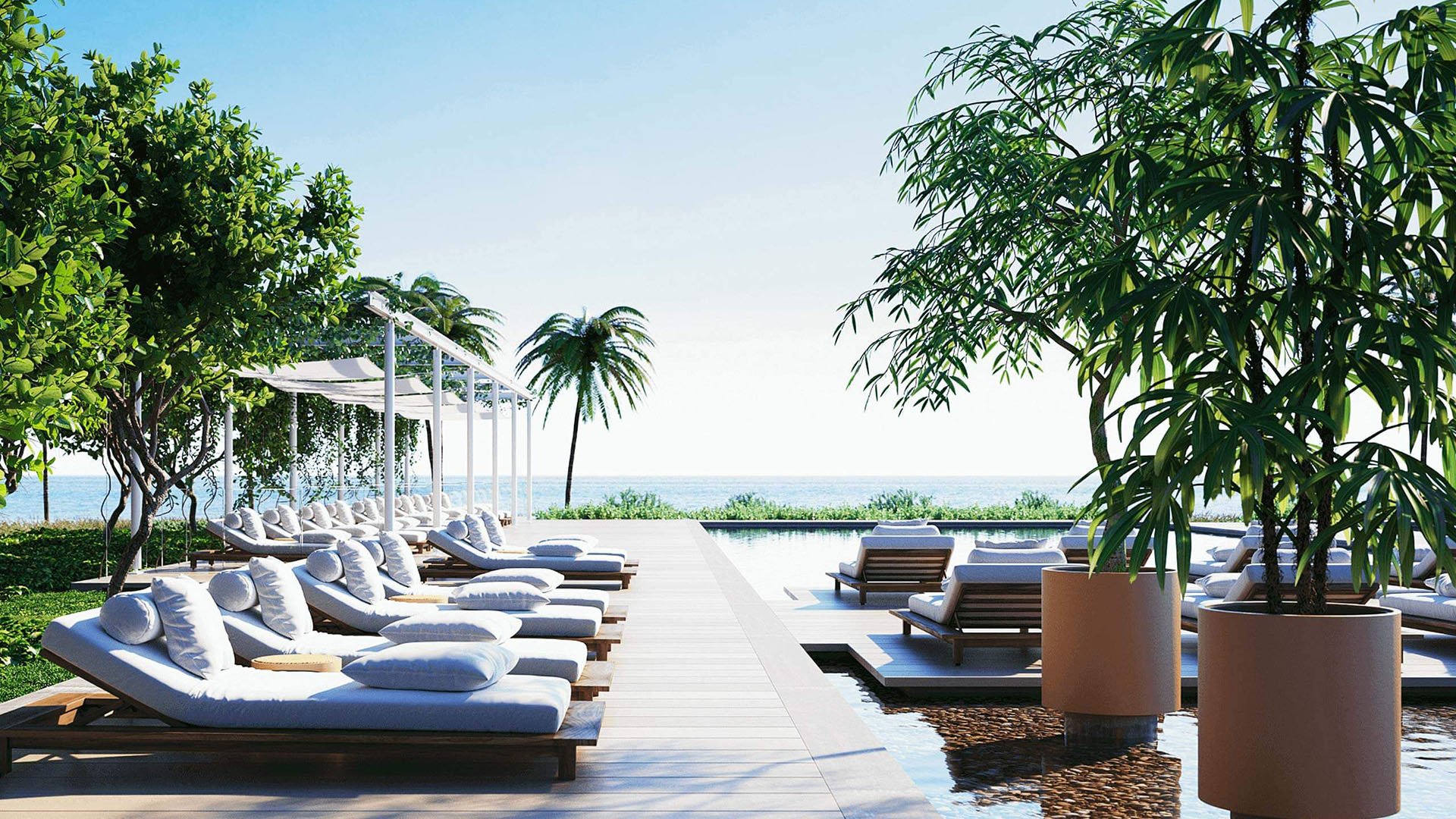
Pool proximity can be a benefit or a burden. A private plunge pool, a controlled terrace connection to a shared deck and a window overlooking communal loungers are three different propositions. They should not receive the same valuation treatment.
Walk the route from the residence to the water. Check whether access requires entering a shared corridor, crossing a busy deck or using a gate that other residents also pass. Visit when the amenity is active, not only during a quiet showing. Listen for conversation and equipment noise, observe lighting and assess sightlines into living rooms and bedrooms.
Building-wide amenities should remain separate from the valuation of private access. Shared facilities do not establish a lower residence's exclusive outdoor connection, and a private pool should be evaluated on its own rights, usability and maintenance obligations.
Beach access deserves its own inspection. Establish whether the route reaches the sand directly, passes through shared facilities, crosses a street or depends on an off-site beach-club arrangement. Confirm security procedures, staffing, operating hours and any rules affecting guests.
For a Miami Beach buyer considering The Perigon Miami Beach, these questions must be resolved for the specific residence and its offering documents. The benefits should not be inferred from a project name. The distinction is between a location description and an enforceable, practical access arrangement.
Walk the entire journey as you would use it. Consider the return trip with wet towels, children or guests, and identify where private circulation becomes shared. Convenient access can have personal value without establishing a resale premium.
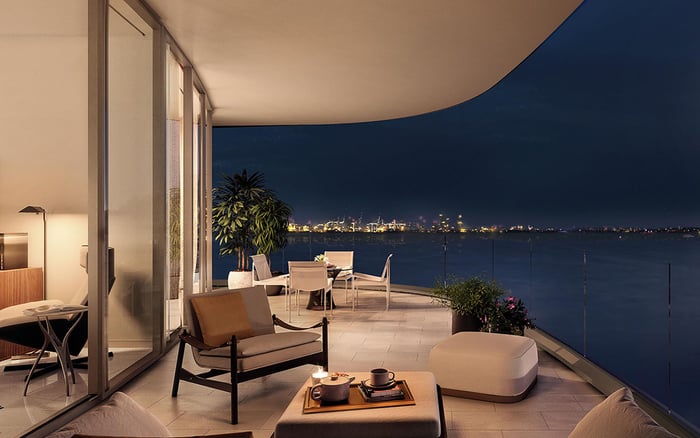
Terrace area is meaningful only to the extent that it is usable. Examine its dimensions, relationship to interior rooms, privacy and permitted furnishing arrangements. Distinguish space suited to dining or lounging from narrow edges and circulation paths. Do not assume outdoor square footage deserves the same valuation as interior space.
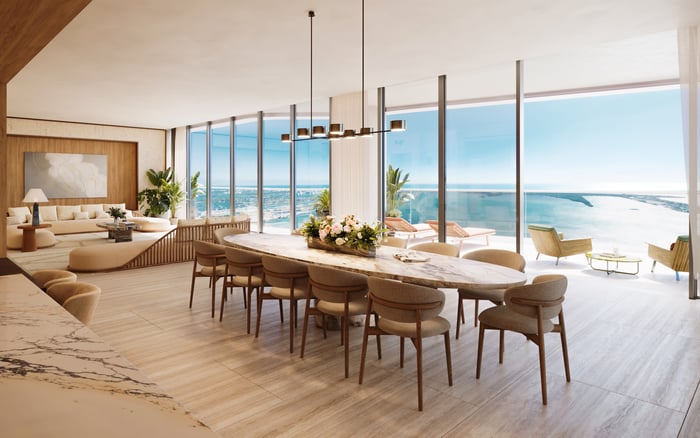
The view trade-off also varies by location. A purchaser considering Jade Signature Sunny Isles Beach should test any lower-floor outdoor advantage against the actual outlook and privacy of the residence under review, rather than assuming elevation alone determines value.
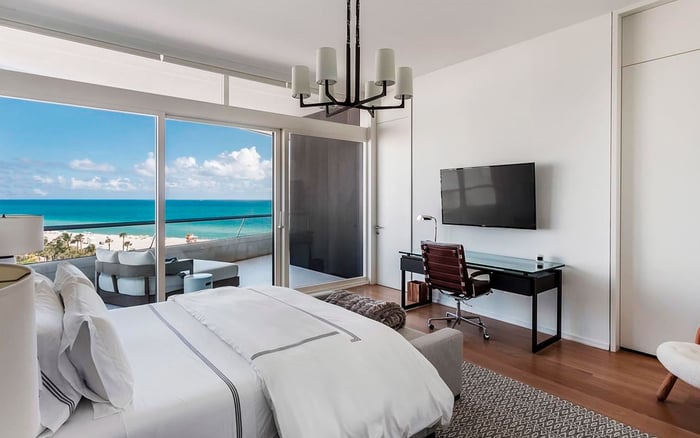
Lower floors can face disadvantages from street noise, weaker views and neighboring buildings. Outdoor access must be substantial enough to offset those compromises for the intended buyer. A generous garden does not make an intrusive sightline disappear.
Start with similar closed sales in the same building wherever possible. Compare interior area, layout, condition, view and privacy, then evaluate usable outdoor space, access rights, fees and maintenance responsibilities. Asking prices can frame expectations, but they do not establish what purchasers have paid.
There is no established percentage premium here for garden, pool or beach access. A defensible offer needs residence-level evidence, not a generic adjustment for being close to the ground. Where comparable sales are scarce, distinguish the additional amount you would personally pay for the lifestyle from what resale evidence supports.
Flood diligence belongs alongside this valuation work. Review flood-zone exposure and the elevation and location of entrances, amenities and mechanical infrastructure. A residence's floor number does not answer every question about building access or service continuity.
Standard HO-6 condominium insurance does not cover flood. The association's master policy generally addresses the building and common elements, while unit-owner coverage addresses interior finishes, fixtures, belongings, liability and applicable loss assessments. Review actual policies, deductibles and separate flood protection with an insurance professional rather than relying on broad cost estimates.
Finally, examine reserves, engineering reports, recertification status, pending assessments and recent claims. The strongest low-floor purchase pairs compelling outdoor living with clear rights and a building whose financial and physical condition withstand scrutiny.
For a discreet, residence-specific evaluation of outdoor access and condominium value, connect with MILLION.
If branded residences are on your mind — as a home or as an allocation — we would be glad to share what we are seeing, privately.
Begin a quiet conversationIt can when meaningful private outdoor space or access outweighs weaker views, noise or reduced privacy. Any premium should be supported by the residence's rights and comparable sales.
No verified closed-sale percentage for those features is established here. Evaluate similar sales and the specific rights, space and obligations involved.
Determine whether it is deeded, a limited common element or assigned for exclusive use. Confirm maintenance responsibilities and association restrictions.
Review the particular residence's offering documents to establish its included outdoor features and associated rights. Confirm permitted uses and maintenance obligations before assigning a premium.
No. A pool view, a controlled connection to a shared deck and a private plunge pool offer different levels of access and privacy.
No. Verify the actual route, any street crossings or off-site arrangements, and the applicable security procedures and operating hours.
A higher residence may offer stronger views, more privacy and greater separation from street activity. Compare the actual outlook and privacy of each residence rather than relying on floor number alone.
No. Buyers should review separate flood protection alongside their unit-owner coverage and the association's master policy.
Compare usable outdoor space and documented rights alongside interior area, views, condition, privacy and carrying costs. Do not automatically value outdoor and interior square footage equally.
Review reserves, engineering reports, recertification status, master-policy deductibles, pending assessments and recent claims. Also examine flood exposure and the location of entrances and mechanical infrastructure.