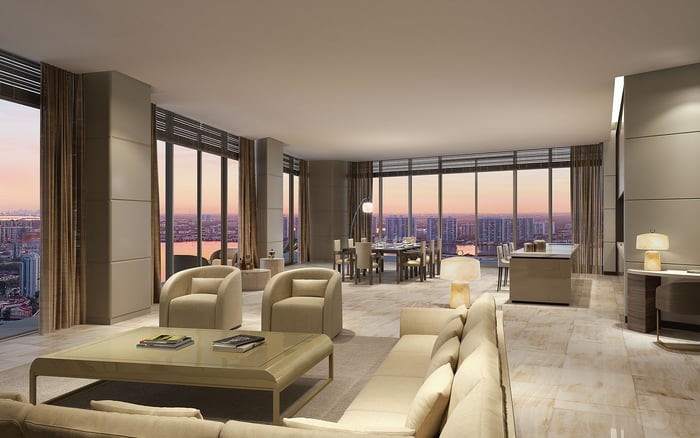
A remarkable outlook deserves a room-by-room assessment. Evaluate where the view enters daily life, how the terrace functions, and whether comparable sales support the asking price, while keeping waterfront access and flood due diligence separate.
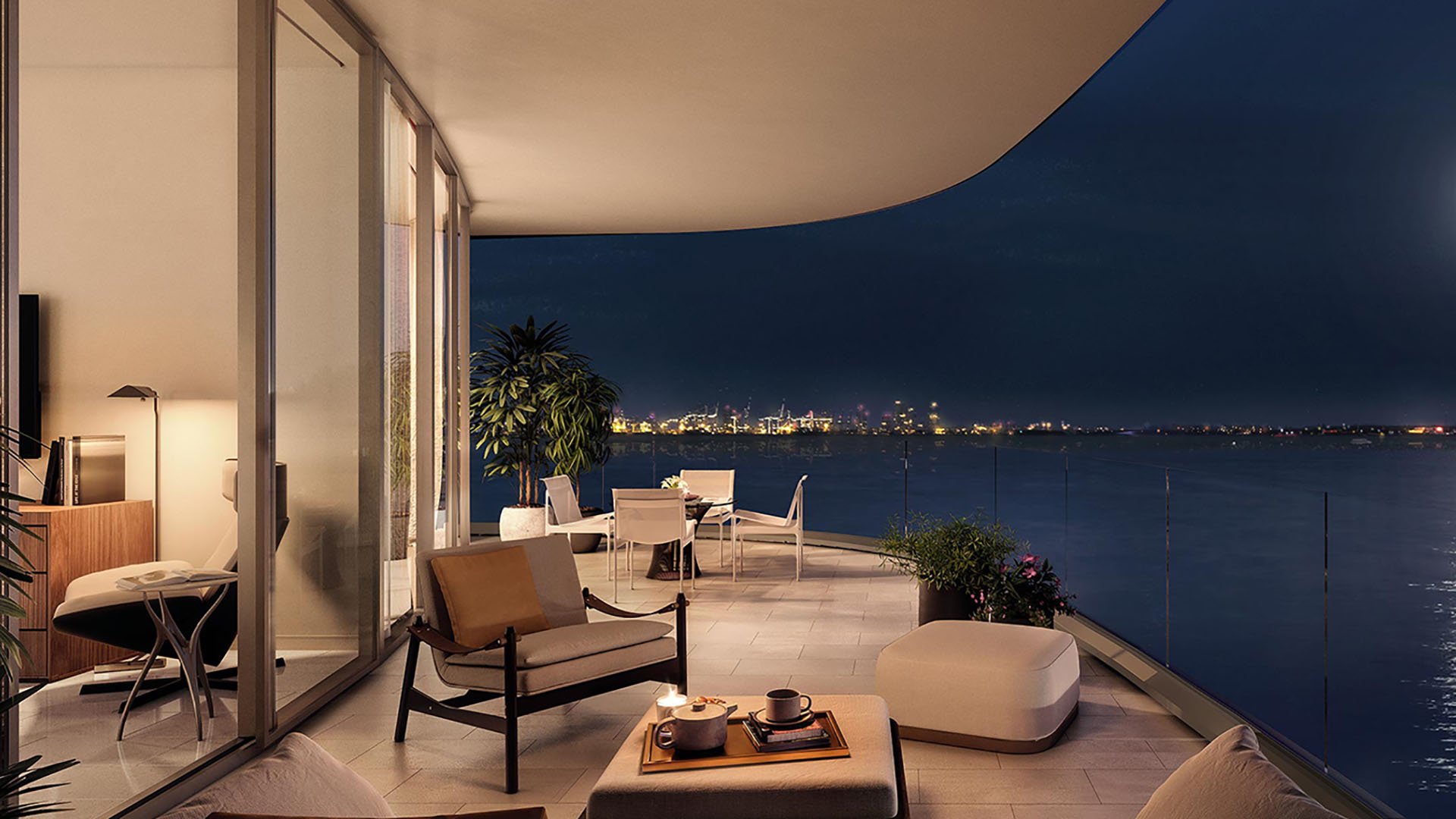
A residence can offer a magnificent outlook without making it central to daily life. The water may appear most dramatically from a guest bedroom, an occasional study, or a corner reached only after leaving the principal living spaces. That does not make the home undesirable. It does mean the view deserves a more precise evaluation than a photograph or broad marketing description can provide.
The essential distinction is between view quality and view placement. An exceptional panorama in a secondary room does not offer the same everyday utility as water exposure from the living room, kitchen, primary suite, or main terrace. Before discussing a premium, establish where the scenery fits into your routine.
A view should be evaluated where you will experience it, not simply where it photographs best.
Begin with a room-by-room walk-through. From the principal seating position, dining table, kitchen work area, and bed, identify what is actually visible. Observe the outlook while seated as well as standing. These are practical viewing exercises, not a numerical scoring system.
Describe each exposure precisely: unobstructed water, partial water, an oblique angle, or a distant glimpse. Direct waterfront frontage is a separate characteristic, not another term for a water view. A home may look toward water without providing physical access to it.
When considering a residence at The Perigon Miami Beach, apply the same room-level inquiry to the specific plan. The project name is no substitute for understanding the individual residence's exposure. Record which rooms deliver the strongest outlook and which support everyday living without it.
The importance of view placement depends partly on how you intend to occupy the residence. A buyer who spends hours reading or working in a study may value its outlook differently from someone who primarily entertains in the living and dining areas. A guest-bedroom panorama may delight visitors while contributing little to the owner's ordinary day.
Make that distinction explicit before negotiating. Ask whether you would use the room with the finest scenery frequently in its existing configuration. If the answer depends on converting it to another purpose, treat that conversion as a proposal to investigate, not an established benefit.
In Brickell, a buyer considering Una Residences Brickell should bring the same discipline to the particular layout. Decide whether the outlook supports your intended use of the home, rather than allowing the most impressive viewing position to define the entire purchase.
A terrace can bring the strongest outlook into daily life, but only if its layout works for you. Evaluate its size and usability separately from the beauty of the scene. Ask where you would sit, whether your intended furniture arrangement is practical, and how comfortably the terrace connects with the rooms you use most.
Consider the route outdoors. Would you naturally step out from the main living area, or would enjoying the best exposure require passing through a private room? Neither arrangement is automatically wrong, but each serves a different pattern of living.
Balcony size and usability belong in the pricing analysis alongside floor level and view direction. Do not assume an attractive outdoor photograph establishes a functional extension of the interior. Verify the usable space and judge it against your daily habits.
In Sunny Isles Beach, oceanfront condominium comparisons require attention to floor, view, and building prestige. Even within one tower, ocean, bay, and garden exposures are distinct considerations. A shared address does not make two residences interchangeable.
For a candidate at Jade Signature Sunny Isles Beach, request comparisons that account for the relevant differences rather than relying on the building name alone. The same principle applies throughout the South Florida market: the most useful benchmark is one whose relationship to the residence under consideration can be clearly explained.
Control for condition, renovations, floor level, waterfront access, and community fees. Then examine view placement itself. If a comparable residence has water exposure across its principal living areas while the candidate's best outlook is confined to a secondary room, keep that distinction visible in the analysis. Do not let it disappear within an unexplained overall adjustment.
Views, shoreline frontage, dockage, and physical access to water should be considered separately. They may coexist, but one does not establish the others. A beautiful outlook cannot answer whether a property provides the access a particular buyer requires.
For someone considering Onda Bay Harbor, the questions concern the individual offering: what is visible, what frontage or access is included, and what documentation supports those distinctions? Do not infer the answers from imagery.
This separation also sharpens comparisons. A benchmark with different waterfront access may reflect benefits beyond its scenery. Understand those differences before attributing the price gap entirely to a view.
Do not apply an unsupported percentage adjustment for a view located outside the main living areas. Nor should a buyer assume a guaranteed resale penalty. Evaluate the significance of the layout in the context of the specific residence and market.
Review closed sales alongside active competition, expired listings, and current buyer demand. Ask your adviser to distinguish the value of the outlook from the effects of condition, floor, access, and ownership costs. A persuasive pricing discussion explains those differences rather than presenting a single unsupported discount.
An attractive outlook does not resolve flood exposure. For a Miami-Dade, Broward, or Palm Beach property, review the applicable flood-zone maps and ask a qualified professional which elevation documents are relevant to the residence. Confirm the jurisdiction and documentation rather than drawing conclusions from the view or floor level alone.
If your purchase depends on renovation, investigate the constraints before treating a revised layout as achievable. Ask about applicable approvals and flood-related requirements before relying on proposed changes. Ultimately, buy the residence for a combination you can substantiate: usable rooms, an outlook you will enjoy, and a price supported by appropriate comparisons.
For a discreet conversation about evaluating your next South Florida residence, connect with MILLION.
If branded residences are on your mind — as a home or as an allocation — we would be glad to share what we are seeing, privately.
Begin a quiet conversationA spectacular outlook in a secondary room may contribute less to daily living than water exposure from the living room, kitchen, primary suite, or main terrace.
Check the outlook from the positions you would actually occupy, including seating areas and the bed. Describe each room's exposure separately rather than relying on one impressive vantage point.
No. Views, shoreline frontage, dockage, and physical access to water are separate characteristics that should be verified individually.
Yes, particularly if the owner expects to spend substantial time there. Its usefulness should be judged against the buyer's actual routine rather than assumed from the room's label.
Evaluate its size, usable furniture space, and connection to the rooms you use most. Consider terrace utility separately from the quality of the scenery.
Not automatically. Floor, orientation, view, condition, renovations, access, and community fees can affect whether another residence is a useful benchmark.
Do not assume a standard percentage adjustment or a guaranteed resale penalty. Assess the layout against relevant comparisons and the specific market.
Yes. Active competition, expired listings, and current buyer demand can provide context alongside relevant closed sales.
Review applicable flood-zone maps and ask a qualified professional which elevation documents are relevant. Confirm the property's jurisdiction and documentation separately from its outlook.
Investigate the proposed changes before relying on them in your purchase decision. Ask about applicable approvals and flood-related requirements before treating a revised layout as achievable.