Pending building-envelope work at Faena House should be treated as an offer-pricing question only after the buyer establishes scope, funding, timing, and likely disruption. The most disciplined adjustment separates direct project cost from overrun exposure and the value of temporarily impaired terrace use.
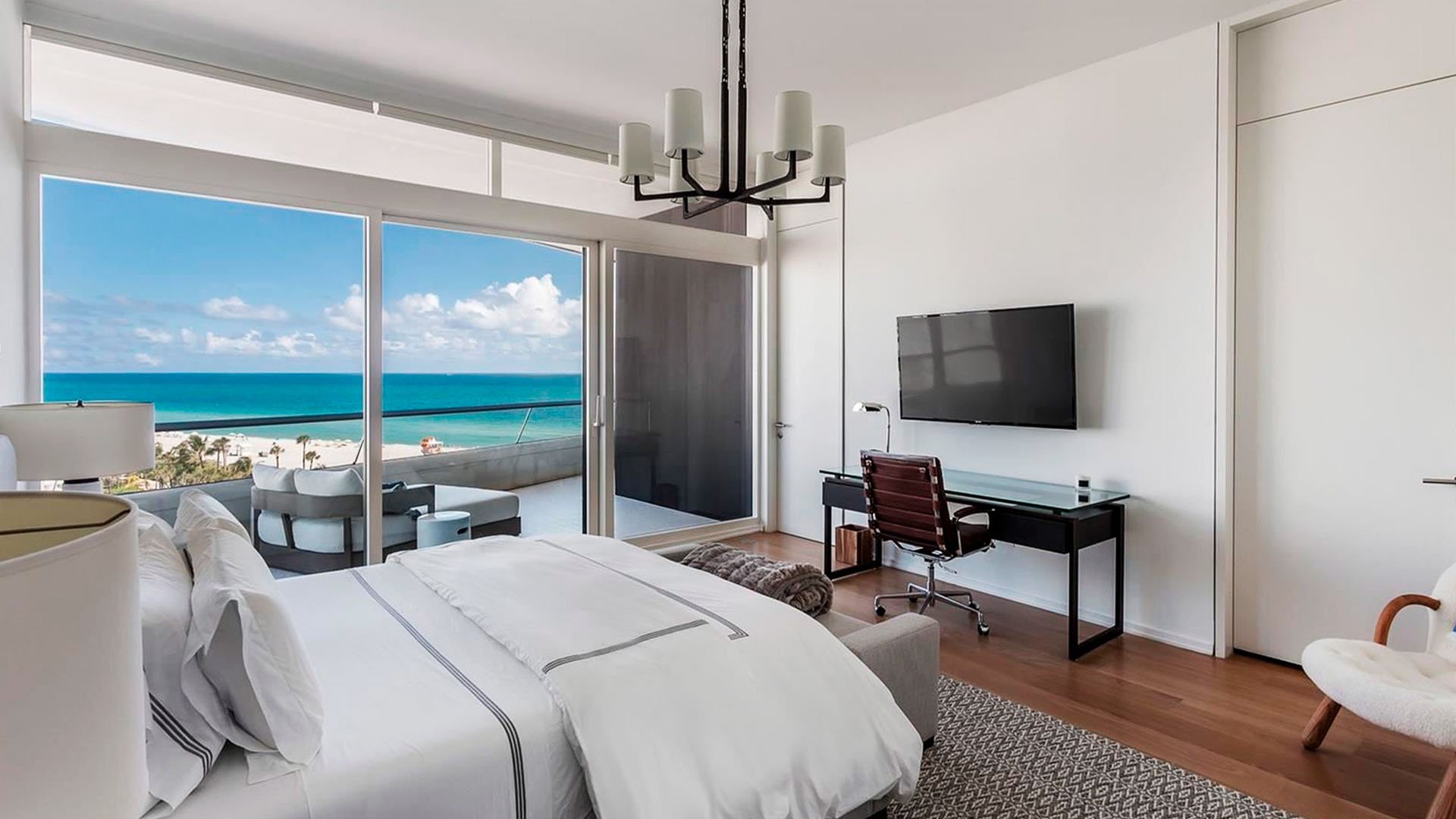
Faena House is an oceanfront condominium at 3315 Collins Avenue in Miami Beach’s Faena District. Designed by Foster + Partners and completed in 2015, the 18-story property comprises 47 residences ranging from one to five bedrooms. Its relative youth distinguishes it from much of the city’s pre-1990s condominium inventory, where major restoration and waterproofing obligations have become an increasingly visible valuation issue.
That distinction is useful, but not conclusive. The available facts do not establish that Faena House currently has pending concrete, waterproofing, or façade work. Nor does a characterization of its structural catch-up exposure as minimal to none prove that no projects, capital needs, or assessments are planned. A buyer should therefore treat the premise as a diligence question, not a verified building condition.
The correct opening position is neither alarm nor complacency. It is to determine precisely what work, if any, has been identified, how the association expects to fund it, and what it would mean for the residence under consideration.
Faena House’s defining luxury is its indoor-outdoor composition. Floor-to-ceiling glass opens onto expansive wraparound alero terraces, with outdoor depths of approximately 4 to 37 feet and sliding-glass openings up to about 13 feet wide. The balconies combine glass fiber-reinforced concrete with curved, frameless, hurricane-rated translucent glass.
That design gives envelope diligence unusual importance. Concrete slab edges, waterproofing transitions, glazing, railings, joints, and terrace finishes are not peripheral components. They shape the ownership experience and support the property’s architectural premium. Work affecting them could introduce noise, screening, restricted access, visual interference, or temporary limitations on outdoor living.
At Faena House, project risk includes both the repair bill and any interruption to the architecture buyers are paying to enjoy.
The same principle matters when comparing Faena House Miami Beach with other design-led coastal choices such as 57 Ocean Miami Beach. The relevant comparison is not simply price per square foot. It is the cost and quality of ownership throughout the anticipated hold period.
Before adjusting an offer, obtain the records that turn a broad concern into a defined financial exposure. The essential file includes the association estoppel, current budget, reserve balances, reserve study, engineering findings, board and membership minutes, assessment notices, project contracts, bid packages, permits, insurance information, and any available construction schedule.
Read those materials together. An engineering recommendation may establish a need without fixing the final scope. Minutes may reveal whether the board is gathering bids, debating alternatives, or preparing a vote. Contracts and permits can indicate whether a project has moved from discussion to execution. The budget and reserve study show whether existing funds appear sufficient to absorb the obligation or owners may face a separate charge.
Florida sellers must disclose current and pending special assessments affecting the unit. Even so, a buyer should not limit the inquiry to assessments already adopted. When identified work remains unfunded, the economic issue exists before the formal vote. Estimate the residence’s likely allocation and preserve room for scope growth.
Strong reserves and evidence of recurring envelope maintenance justify a smaller uncertainty adjustment. Thin reserves combined with documented repair needs warrant a materially more conservative position. Age remains context, not a substitute for records. A $21 million assessment involving two 16-year-old Brickell condominium buildings underscores that relatively recent construction does not eliminate repair or reserve-funding risk.
A disciplined offer adjustment has three distinct components. Combining them into an arbitrary discount can obscure the buyer’s reasoning and complicate negotiation.
First, price the direct obligation. If an assessment has been levied but remains unpaid, the cleanest solutions are a lower purchase price, a seller credit, or a contract requirement that the seller pay the balance at closing. The agreement should clearly state who bears installments or increases approved before closing but payable afterward.
Second, price uncertainty. If work has been identified but bids, final scope, or allocation remain unresolved, estimate the unit’s likely share and add a contingency for overruns. That contingency should reflect the quality of the documentation. A signed contract, defined schedule, funded reserve allocation, and credible completion plan narrow uncertainty. Preliminary discussion, thin reserves, or changing engineering recommendations widen it.
Third, price lost use. At Faena House, restricted terrace access may carry greater consequences than in a building where outdoor space is incidental. Consider the expected duration, whether work reaches the subject stack, the possibility of blocked views or construction screening, and any interference with glazing or interior access. This is a temporary utility adjustment, separate from the construction charge itself.
For context, buyers may examine how terrace utility and construction status influence alternatives such as The Perigon Miami Beach or the established Setai Residences Miami Beach. These are neither automatic substitutes nor evidence about Faena House. They help clarify what the buyer values and what inconvenience carries a real price.
Broader Miami Beach figures can frame the downside, but they should not dictate a Faena House adjustment. Pre-1990s properties have faced per-unit assessments ranging from roughly $50,000 to more than $200,000 for concrete restoration, roofing, and waterproofing. Faena House belongs to a newer cohort and should not be assigned an older building’s liability without evidence.
The better approach is residence-specific. Start with the negotiated value assuming no unusual project burden. Deduct any unpaid allocated cost, then an evidence-based uncertainty reserve, followed by a measured allowance for impaired use. Avoid counting the same risk twice. If the seller pays an assessment in full, for example, only residual overrun or disruption exposure should remain in the adjustment.
Price cannot cure unclear responsibility. The contract should address existing assessments, later installments, newly approved charges, seller payment obligations, credits, escrow mechanics where appropriate, and the buyer’s right to review association and engineering materials. Any diligence or financing protections should align with the anticipated timetable for receiving those records.
Also distinguish an association project from a defect within the residence. Terrace waterproofing, glazing interfaces, and interior signs of moisture may involve different scopes and responsibilities. A qualified inspector, condominium counsel, and relevant technical professionals should review the specific conditions and documents before the buyer relies on a credit or accepts an allocation of risk.
The strongest offer is not necessarily the lowest. It is the one that converts an uncertain building issue into explicit economics and enforceable closing terms. If the records show funded maintenance with limited disruption, the adjustment may be modest. If they show unresolved scope, insufficient reserves, and meaningful loss of use, restraint is part of luxury buying.
For discreet guidance on evaluating a Faena House opportunity, consult MILLION.
If branded residences are on your mind — as a home or as an allocation — we would be glad to share what we are seeing, privately.
Begin a quiet conversationNo. Pending concrete, waterproofing, or façade work should be treated as a diligence question until current association records establish the facts.
Its glass-heavy design and expansive wraparound terraces are central to the ownership experience, so work affecting those elements may influence both cost and use.
Review the estoppel, budget, reserves, reserve study, engineering findings, minutes, notices, contracts, bids, permits, insurance information, and project schedule.
It can be addressed through a lower price, a seller credit, or a requirement that the seller pay the assessment at closing.
Estimate the unit’s likely share and add a contingency for possible scope growth rather than waiting for a formal assessment vote.
No. Faena House was completed in 2015, but current engineering and financial records matter more than age alone.
Strong reserves and recurring maintenance support a smaller adjustment, while thin reserves paired with identified repairs support a larger one.
Yes. Lost use, noise, screening, and interference with indoor-outdoor living are distinct from the buyer’s direct share of project costs.
They provide context, but the offer adjustment should be based on Faena House records and the specific residence’s likely exposure.
Separate the direct unpaid project cost, uncertainty or overrun exposure, and the value of temporary loss of terrace or amenity use.