For yacht owners considering Boca Raton residences, genuine privacy depends on more than a private-elevator label. Verify the landing configuration, visitor approval process, service routes, and permissions connecting dockside life to the residence.
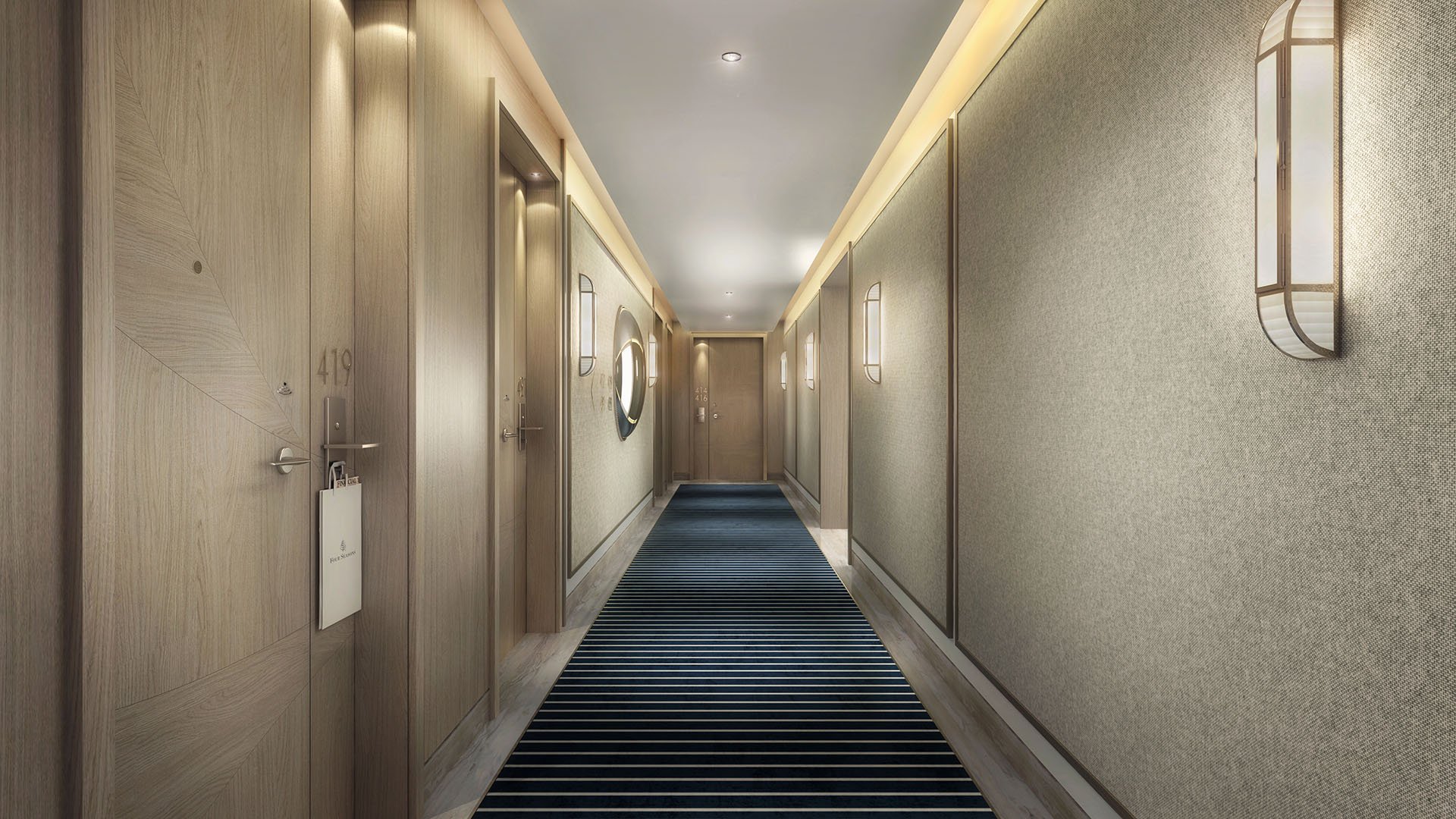
For a yacht owner buying in Boca Raton, privacy is more than an elevator opening beside a beautifully appointed foyer. It is the ability to welcome a guest, authorize a captain, receive provisions, and admit housekeeping without granting each person the same access to the household. The arrival experience deserves as much scrutiny as the residence itself.
Three questions require separate answers: where does the elevator open, who can authorize its use, and how do service personnel reach their destination? A private-elevator description does not, by itself, resolve the latter two.
Amenity descriptions do not confirm current operating procedures. For buyers, the decisive evidence is a documented configuration supported by a management-led demonstration of the relevant routes and permissions.
Begin with the residence’s floor plan and elevator-core diagram. Ask whether the car opens directly inside the home, onto an exclusive vestibule, or onto a landing shared with another residence. Separately, establish whether the elevator is dedicated to the unit or serves other residences under restricted permissions.
Direct access and exclusive use are not interchangeable promises. Treat terms such as private and semi-private as starting points for questions, not substitutes for a confirmed layout.
If you are considering The Residences at Mandarin Oriental Boca Raton, request written confirmation of the specific residence’s entrance and elevator arrangement and the process for authorizing visitors.
Ask management to identify every entrance to the landing and explain any shared access or temporary operating arrangements. If Alina Residences Boca Raton is also on your shortlist, apply the same unit-specific review rather than carrying assumptions from another building. Compare plans and permissions, not merely terminology.
A polished reception experience and a controlled arrival are related, but distinct. Evaluate any gate, reception desk, and elevator control separately rather than assuming that one establishes the entire visitor-authentication sequence.
Request a management-led walkthrough covering vehicle entry, lobby identity checks, resident approval, elevator authorization, and arrival at the permitted floor. Ask who approves an unexpected guest, what happens when the resident cannot be reached, and when approval expires.
The practical distinction is between admitting someone to the property and authorizing that person to reach the residence. Have management explain whether those permissions are separate and how staff confirm the intended destination.
For a comparison visit to Glass House Boca Raton, bring the same arrival checklist. Consistent questions support a useful comparison without presuming that different buildings use equivalent procedures or equipment.
For a household coordinating crew, housekeeping, contractors, and deliveries, service access warrants its own inspection. Ask to follow each route from the receiving point to the residence, noting where it intersects with resident and guest circulation.
Do not assume that a passenger elevator’s freight setting creates service-entry separation. Verify whether a dedicated service elevator exists, which receiving corridors it serves, and where personnel wait before admission. Ask how packages and large items are handled when normal routes are unavailable.
Assess staffing separately from physical separation. A concierge or housekeeping offering does not, on its own, establish a separate route for personnel or deliveries.
Walk through a realistic scenario: a guest arrives while a contractor is working and provisions are being delivered. Ask management to explain the authorized route and approval process for each party. The objective is not to eliminate service activity, but to understand where household privacy depends on architecture and where it depends on staff procedure.
Where boat-slip access forms part of the ownership plan, review it separately from residential access. Trace the dock-to-building route and establish which controlled entrances and shared spaces it involves.
Request a permissions map covering marina, dock, garage, storage, and residential access, as applicable. Determine whether credentials are integrated or separate, and which routes captains, crew, and marine vendors may use.
A captain’s need to reach the vessel should not be assumed to require access to the residence. Ask whether management can assign those permissions independently and how a change in crew is reflected in credential records.
A residence used intermittently requires particular clarity around temporary access. Ask about floor restrictions, time windows, approval expiry, lost-fob cancellation, and staff offboarding. Distinguish a one-time contractor visit from recurring housekeeping access and ongoing crew authorization.
Establish who can issue credentials, who can change their permissions, and how quickly cancellation takes effect. Where biometric access is used, confirm the backup procedure rather than assuming the advertised technology answers every operating question.
Have management explain how visitor and contractor records are retained and who may review them. These questions concern both security and discretion: buyers should understand how access is recorded without presuming that every building collects or retains the same information.
Before relying on an access feature in the purchase decision, request current access policies, visitor and contractor procedures, circulation plans, and disclosure of shared access or temporary arrangements. Keep residence-specific plans alongside those policies so that physical layout and daily operation can be assessed together.
Organize the review around three deliverables: a confirmed elevator and landing configuration, a demonstrated visitor-approval sequence, and a documented service route. Add dock and crew permissions wherever marina access forms part of the ownership plan.
The strongest fit is not necessarily the property with the longest amenity description. It is the residence whose documented access arrangements match the way your household, guests, and yacht team will actually move.
For a discreet perspective on your Boca Raton residential shortlist, explore MILLION.
If branded residences are on your mind — as a home or as an allocation — we would be glad to share what we are seeing, privately.
Begin a quiet conversationNot necessarily. Request the elevator-core diagram and written confirmation distinguishing a dedicated car from restricted access to a private or shared landing.
Direct access does not necessarily establish exclusive use of the elevator. Buyers should confirm exactly where it opens and whether the landing or car is shared.
Request written confirmation of the specific residence’s entrance and elevator arrangement. Ask management to explain the visitor-authorization procedure rather than assuming a particular access configuration.
Ask management to demonstrate vehicle entry, lobby identity checks, resident approval, elevator authorization, and arrival at the permitted floor.
A manned gate alone does not establish how visitors are authorized beyond the property entrance. Confirm the separate lobby, elevator, and destination permissions.
Review circulation plans and trace service routes with management. Verify whether dedicated service elevators and receiving corridors exist rather than assuming a passenger elevator’s freight setting provides separation.
Confirm which dock, garage, storage, and residential areas crew may access. Ask whether those permissions can be assigned independently and revoked when crew changes.
Ask management to confirm the equipment currently operating and the backup access procedure. Establish who can authorize access and change permissions.
Ask about time and floor restrictions, temporary-pass expiry, lost-fob cancellation, and staff offboarding. Clarify who can issue or change each authorization.
Request current access policies, visitor and contractor procedures, circulation plans, and log-retention rules. Obtain disclosure of shared access and temporary operating arrangements as well.