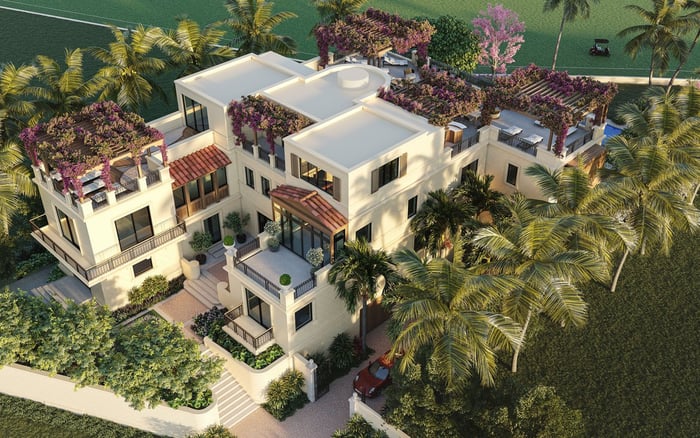
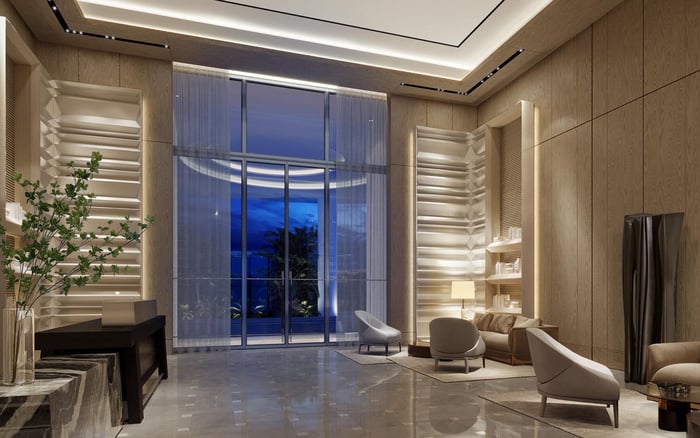
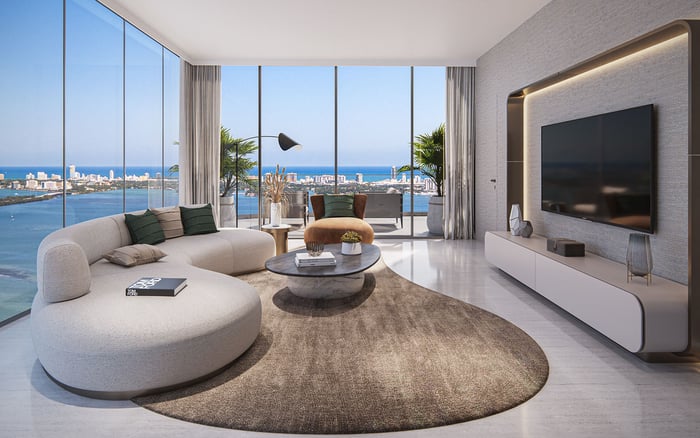
For collectors comparing The Cove Residences and Aria Reserve Miami, the essential questions begin beyond the gallery wall. A buyer-focused guide to verifying delivery routes, handling permissions, storage conditions and collection-specific climate control.
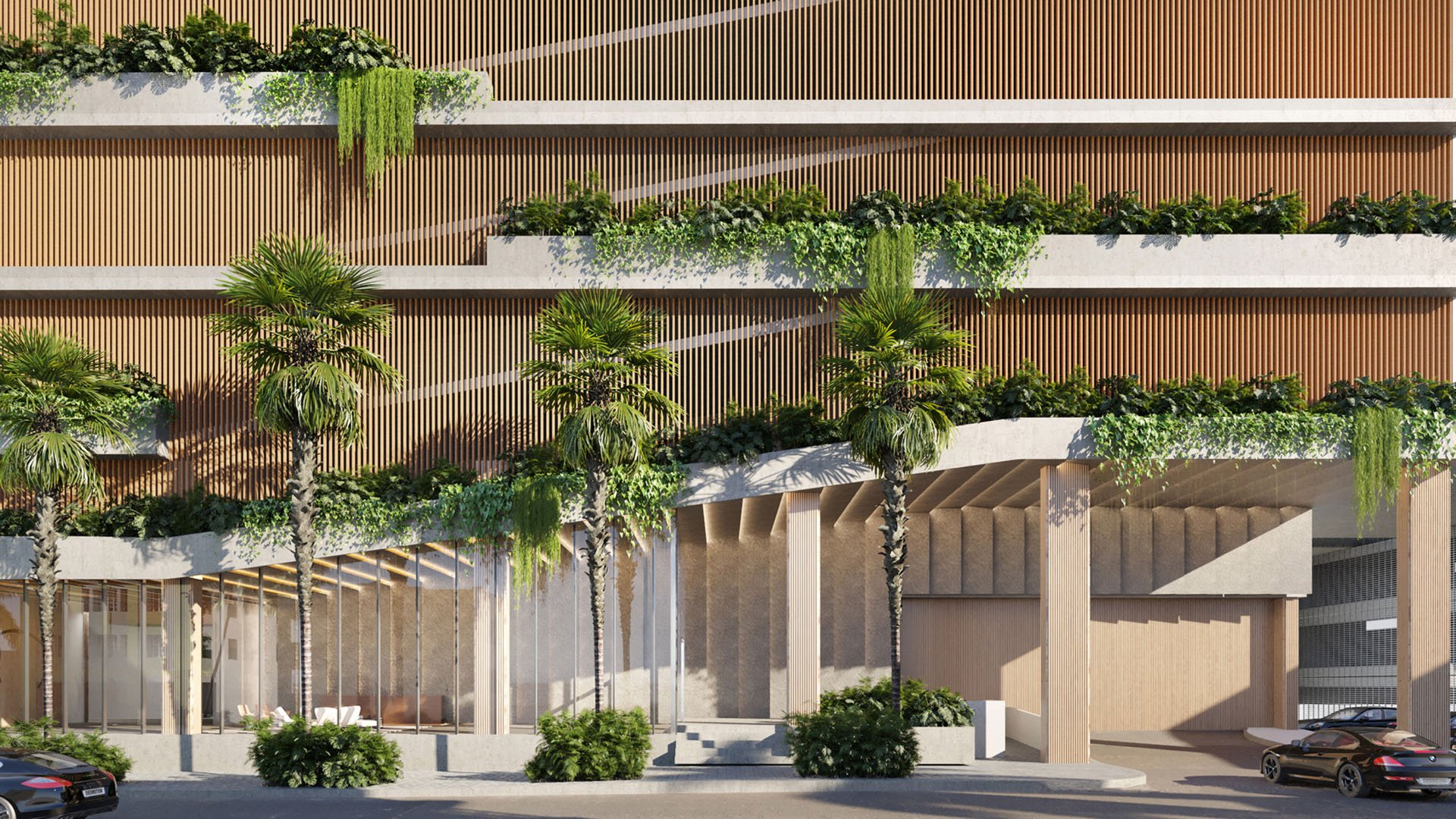
A residence can offer an elegant setting for art without establishing how a collection will arrive, be installed or remain protected. For buyers considering The Cove Residences Edgewater and Aria Reserve Miami, architectural appeal and collection readiness are separate questions.
Neither project’s publicly disclosed specifications establish a complete art-freight route or conservation-grade climate-control system. That does not mean suitable arrangements are unavailable. It means buyers should address them through residence-specific due diligence, rather than infer them from ceiling heights, elevator descriptions or air-conditioned square footage.
Begin with a collection brief: the largest crated dimensions, handling restrictions, installation needs and environmental requirements identified by the collection’s specialists. Use it to guide conversations with the sales team, building management, art handler and mechanical consultant. The objective is a documented path from truck to display, paired with a climate strategy suited to the works.
The Cove Residences Edgewater is marketed at 456 NE 29th Street, Miami, FL 33137. Its advertised 10-foot ceilings in all living spaces provide a useful starting point for display planning. They do not establish clearance through a loading entrance, elevator doorway or residence entry.
For an oversized painting, have both the crate dimensions and those of the work checked against the proposed route. Request clear openings rather than nominal door sizes, and have the handler assess turns, thresholds and maneuvering space. A generous living room is no substitute for that assessment.
The Cove’s freight-elevator dimensions and capacity, loading-dock geometry, truck clearance, corridor widths, turning radii and door clearances remain unverified in the disclosed materials. Request current drawings and, where possible, a route inspection before approving transport.
Cold storage is an advertised amenity, but the designation does not establish dedicated fine-art storage or collection-specific conservation conditions. Before considering it for any object, clarify its intended use, environmental settings, access rules and whether art storage is permitted. Do not build a delivery plan around it without written confirmation.
At Aria Reserve Miami, marketed at 700 NE 24th Street, elevator language warrants equally careful reading. Advertised features include two high-speed elevators, while other descriptions refer to private elevators and foyers. Neither description establishes a dedicated freight car, verified car dimensions or weight capacity.
Ask which elevator would carry the artwork, who may use it during the delivery window and whether its approved loading limit accommodates the proposed delivery. Verify the residence’s elevator-sharing and entry configuration against final plans. Private access should not be read as unrestricted handling access.
Aria Reserve’s flow-through layouts describe the residence experience, not a certified route for oversized objects. Loading-dock operations, truck maneuvering, service-elevator clearances, corridor clearances, crate staging and oversized-object procedures also require confirmation.
Request a route drawing tied to the specific residence, with dimensions and permissions marked at every transition. Have the handler identify any unresolved constraints before the shipping schedule is fixed.
A measured route is only part of the assignment. Ask management to confirm delivery booking procedures, permitted hours, vendor documentation, protective coverings and any supervision requirements. These are questions to resolve, not established policies at either project.
Request a designated staging location and clarify whether crates may remain there temporarily. Establish where unpacking can occur, who authorizes it and how packaging will be removed. If the route requires opening a crate before reaching the residence, the art handler should evaluate that proposal before transport is approved.
For sculpture or especially heavy installations, ask the appropriate design professionals to review the proposed support and installation method. Address building approval, handling feasibility and installation suitability separately. An elevator’s stated capacity would not, by itself, settle the entire installation.
Keep responsibilities explicit. The owner’s representative should know who confirms route measurements, who approves building access and who can authorize a pause if site conditions differ from the agreed plan. A calm delivery begins with decisions made before the truck arrives.
Central cooling is described for The Cove’s unit 3402, but that residence-specific description does not specify temperature or relative-humidity tolerances, independent monitoring or dedicated art-conditioning zones. It should not be read as a building-wide performance promise.
Likewise, one Aria Reserve residence example identifies 2,686 square feet of A/C area. That figure describes air-conditioned area-not collection-grade humidity stability, separate art zones, continuous monitoring or backup conditioning.
Ask the collection’s conservator to define the environmental brief, then have a mechanical specialist assess whether the selected residence can meet it. Avoid choosing a universal temperature or humidity target without reference to the works. Address allowable variation, sensor locations, monitoring, alerts and responsibility for responding when conditions move outside the agreed range.
If supplemental equipment is proposed, confirm installation permissions, maintenance access and any building constraints before treating it as part of the purchase plan. Ask separately what happens during power interruptions or extended absences. Neither project’s disclosed specifications establish backup conditioning for a collection.
Aria Reserve advertises large terraces overlooking Biscayne Bay, connected to living areas and the primary suite. For a collector, those connections should inform the placement and environmental review of nearby works. They do not, in themselves, imply that the residence is unsuitable for art.
Ask the design and conservation team to assess proposed locations in relation to glazing, daylight and terrace-door use. Coordinate any recommended shading or display adjustments with the residence design and building permissions. A terrace connection is an architectural feature, not evidence of a controlled environment around every display wall.
If the search also includes Villa Miami, apply the same collection brief rather than assume equivalent freight access or climate performance. Base the comparison on residence-specific answers, not the vocabulary of luxury amenities.
For The Cove and Aria Reserve, request a coordinated package: a dimensioned delivery route, current handling rules, an installation review and a collection-specific climate proposal. Separate confirmed details from those still subject to approval, and identify who must resolve each open item.
The most persuasive answer is not simply that a work will fit. It is that arrival, installation and ongoing care have each been addressed for the residence under consideration.
For a discreet conversation about matching an Edgewater residence to your collection, connect with MILLION.
If branded residences are on your mind — as a home or as an allocation — we would be glad to share what we are seeing, privately.
Begin a quiet conversationThe Cove is marketed at 456 NE 29th Street, Miami, FL 33137. Aria Reserve is marketed at 700 NE 24th Street; both are in Edgewater.
No. The advertised height applies to living spaces and does not establish clearance through elevators, corridors or doorways.
That suitability is unverified. The cold-storage designation does not establish dedicated fine-art storage or collection-specific conservation conditions.
The disclosed specifications do not establish a dedicated freight car. Elevator dimensions, capacity and the approved art-delivery route require confirmation.
No such guarantee is established. Buyers should verify elevator-sharing, residence-entry configuration and delivery permissions against final plans and current management requirements.
No. Aria Reserve’s flow-through layouts do not verify service-route dimensions, turning clearances or crate-staging arrangements.
No. The description for unit 3402 does not specify temperature or humidity tolerances, independent monitoring or dedicated art-conditioning zones.
It identifies the air-conditioned area of one residence example. It does not establish collection-grade humidity stability, monitoring or backup conditioning.
Ask the design and conservation team to review glazing, daylight and terrace-door use around proposed display locations. Coordinate any recommended adjustments with building permissions.
Request a dimensioned route, current handling rules and an installation review for the specific residence. Resolve staging, access and collection-specific climate requirements before fixing the delivery plan.