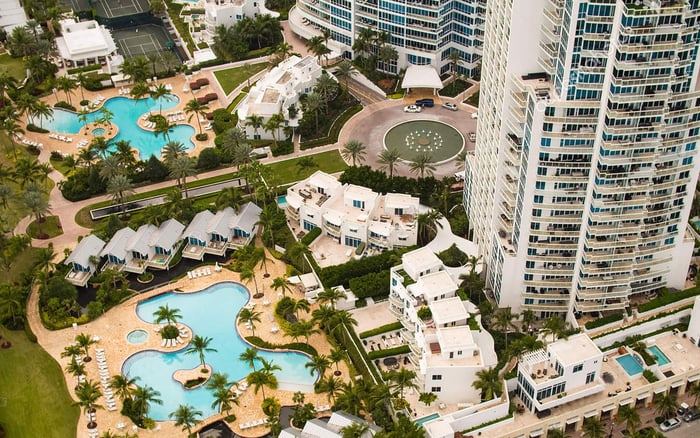
A buyer’s framework for verifying Shore Club’s life-safety documentation, from sprinkler outage notifications and smoke-control acceptance testing to elevator emergency procedures and occupancy approvals.
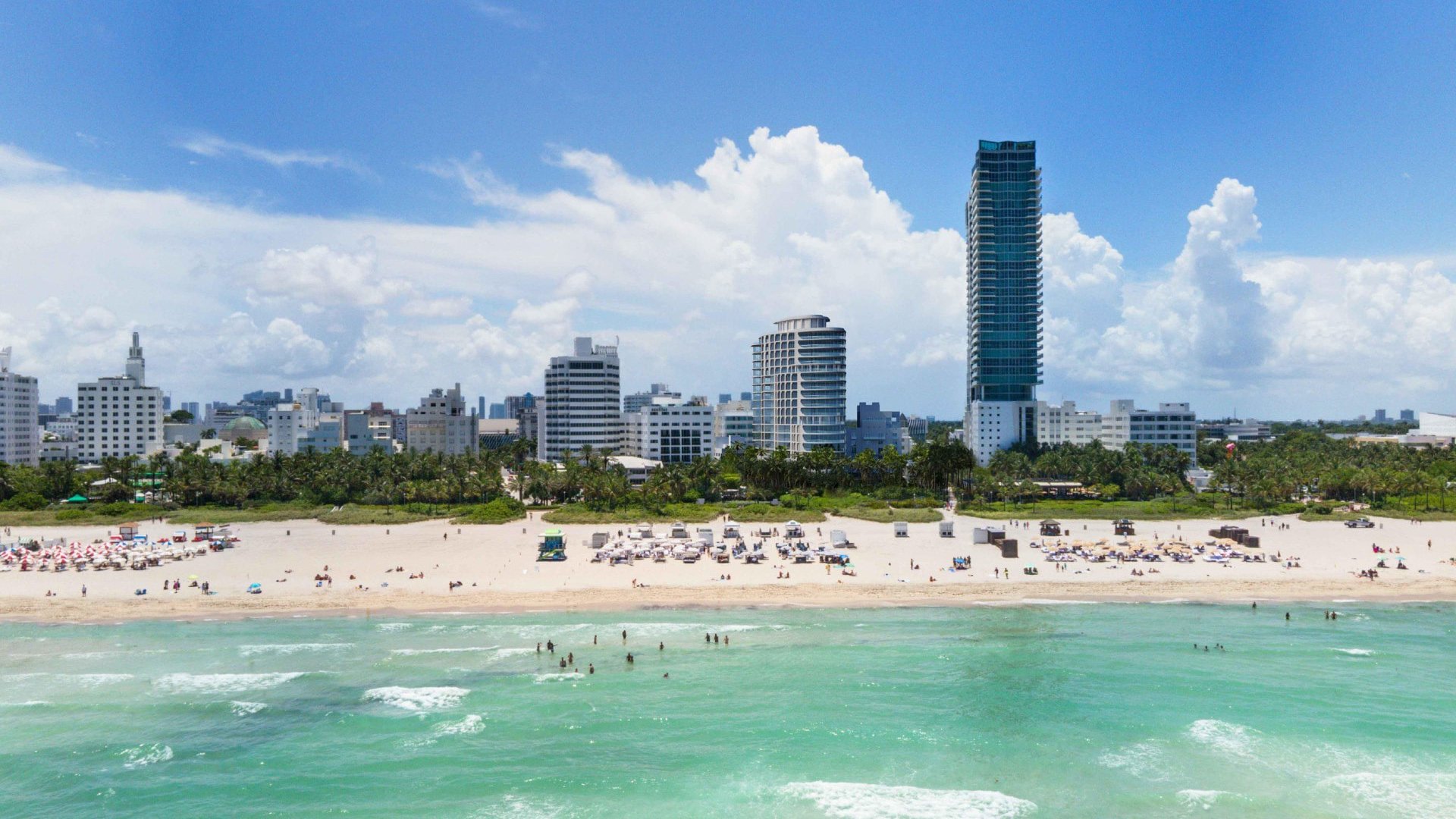
At Shore Club Private Collections Miami Beach, the purchase decision extends beyond architecture and ocean views. The redevelopment at 1901 Collins Avenue combines a new tower with restored historic structures and is marketed as 49 residences with hotel-level services. That combination makes shared building operations an important part of ownership.
For buyers, three subjects warrant close attention: how sprinkler impairments are communicated, how any required smoke-control systems are tested, and how elevator emergencies are managed. These are requests for verification, not allegations of a defect, failed test or existing impairment. The objective is to establish what has been approved, what has been demonstrated and who remains accountable after delivery.
A polished service experience should rest on equally clear documentation. Ask for records tied to the residence, the building areas it occupies and the shared systems it relies on-not a general assurance that safety is handled.
The Miami Beach permitting process has four principal stages: application, plan review, permit issuance and inspections. For new construction and major remodeling, a Certificate of Occupancy is an additional final step. A permit is therefore not equivalent to authorization to occupy.
The marketed 2027 completion target is likewise an estimate, not a confirmed occupancy date. Ask the development team to distinguish anticipated construction completion, commissioning and the applicable occupancy approvals. Have counsel clarify how those milestones relate to contractual delivery and closing obligations.
Begin the public-record review with Miami Beach’s permitting resources. County searches can supplement that work with available plans, permits, occupancy documents and code-compliance records, but confirm which records the city holds. Component product approvals can assist a consultant’s review; they do not establish that installation is correct.
Buyers also considering Five Park Miami Beach should apply the same document-first discipline without assuming that another building’s approvals or operating arrangements establish anything about Shore Club.
The question is not simply whether sprinklers are included, but how management would respond when part of the system is unavailable. Request the written impairment policy and ask how it identifies affected areas, anticipated outage duration and the people authorized to approve a shutdown.
Review the policy for several practical details:
Which residences and shared areas would receive notice, and through which channels?
Who determines whether a fire watch or other temporary protection is required?
Who coordinates the shutdown, tracks its duration and escalates an extended outage?
Who verifies restoration, documents the result and communicates completion?
Treat these as questions for the project team and reviewing engineer, not as a statement of requirements applicable to every outage. The approved design and local requirements must guide the answers.
Owners who are frequently away should ask whether notices can reach both them and an authorized representative. Also request the proposed record-access policy and, when available, any relevant impairment notices and restoration records. A written procedure is more useful when buyers know how to receive it and obtain updates.
First, establish whether smoke-control systems are required and provided for the relevant building areas. Do not infer Shore Club’s configuration from general high-rise guidance or the presence of sprinklers and alarms.
Ask for the approved sequence of operations, which describes how the applicable systems are intended to respond. Have a fire-protection engineer review the specified relationship between detection, sprinkler waterflow, alarms and smoke-control activation where applicable. Confirm the governing code edition and approved project design before applying general technical provisions.
Next, request the commissioning schedule and acceptance-test reports when available. The review should compare tested operation with the approved sequence and examine any deficiencies, corrective work and closeout documentation. A scheduled test is not a completed test, and a completed test does not necessarily resolve every outstanding item.
Finally, establish the planned periodic testing arrangements and access to records after occupancy. Identify the entity responsible for commissioning tests, retaining results and communicating relevant issues. At the preconstruction stage, some evidence may become available only near delivery. Ask for a clear document-delivery schedule rather than treating future testing as complete.
A beachfront home is marketed with a private elevator and garage. That description should not be generalized to every residence. Confirm the elevator arrangement serving the specific home under consideration, including its relationship to shared circulation and emergency procedures.
Request written entrapment procedures covering cab communications, staff responsibilities, contractor response and coordination with emergency services. Ask who receives a cab call, how assistance is escalated and what happens if the incident coincides with a power failure.
Backup power warrants separate questions. Verify which elevators receive emergency power and their approved operating mode during an outage. Establish whether any elevator is specifically designed for occupant evacuation. Private access, emergency power and firefighter service are not interchangeable with resident evacuation capability.
Have the reviewing engineer assess applicable interfaces among elevator-area detection, fire alarms and recall against the approved documents. For household planning, obtain the building’s written emergency instructions rather than improvising an evacuation strategy from an amenity description.
Hotel-level services do not, by themselves, identify who is responsible for notices, maintenance records or emergency decisions. Ask whether each function belongs to the condominium association, the hotel operator or another entity, and request a documented allocation of responsibilities.
A practical responsibility schedule should name the party controlling sprinkler shutdowns, smoke-control testing, elevator response and resident communications. It should also identify the records custodian and the contact available when the owner is absent. Ask how those responsibilities will transfer from development and commissioning to ongoing operations.
When comparing Shore Club with The Perigon Miami Beach, use accountability and document access as comparison criteria-not assumptions about either project’s systems or performance.
Organize the purchase review around documents available now and evidence expected near delivery. The first group can include approved plans, proposed procedures and responsibility assignments. The later group can include acceptance testing, deficiency closeouts and applicable occupancy approvals.
Ask a fire-protection engineer to evaluate technical sufficiency, Miami Beach authorities to confirm applicable requirements and counsel to address document delivery within the purchase agreement. Maintain a written list of unresolved questions, responsible parties and anticipated responses.
The strongest buying position rests on neither unquestioning confidence nor speculation about risk. It rests on a clear understanding of the approved design, demonstrated performance and continuing operational responsibility behind the residence.
For a discreet perspective on South Florida residential ownership, explore MILLION.
If branded residences are on your mind — as a home or as an allocation — we would be glad to share what we are seeing, privately.
Begin a quiet conversationThe oceanfront redevelopment is at 1901 Collins Avenue in Miami Beach, combining a new tower with restored historic structures.
The project is marketed as 49 residences with hotel-level services. Buyers should clarify responsibility for shared building operations.
No. Treat it as a marketing estimate and separately verify the applicable occupancy approvals and contractual delivery terms.
No. Miami Beach requires a Certificate of Occupancy as an additional final permitting step for new construction and major remodeling.
Request the written policy covering affected areas, outage duration, notices, shutdown authority, temporary protection and restoration verification.
Request the applicable approved sequence of operations, commissioning schedule, acceptance-test results and deficiency closeouts. Confirm periodic testing and record-access arrangements as well.
Do not assume so. Marketing describes a beachfront home with a private elevator and garage; buyers should verify the arrangement for their specific residence.
Emergency power alone does not establish occupant evacuation capability. Verify the elevator’s approved purpose and obtain the building’s written emergency instructions.
Ask whether each responsibility belongs to the condominium association, hotel operator or another entity. Request a documented allocation and a designated records contact.
No. They are due-diligence requests, not findings of an existing impairment, failed test or unsafe condition at Shore Club.