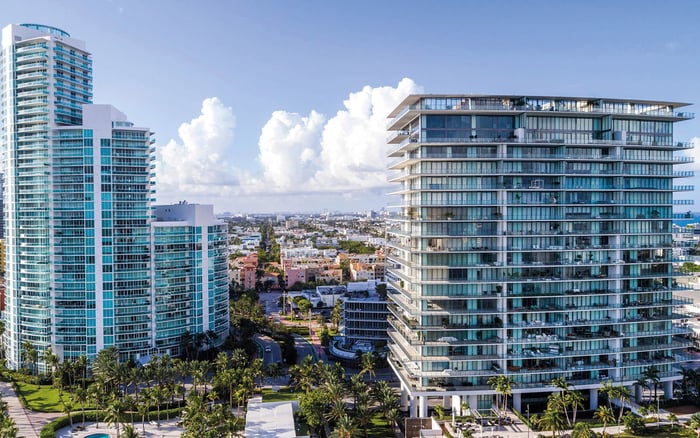
At Setai Residences Miami Beach, an attractive advertised HOA fee is a starting point, not a complete ownership budget. Buyers should verify current charges, reserves, insurance and the boundary between residential access and paid hotel services before comparing value.
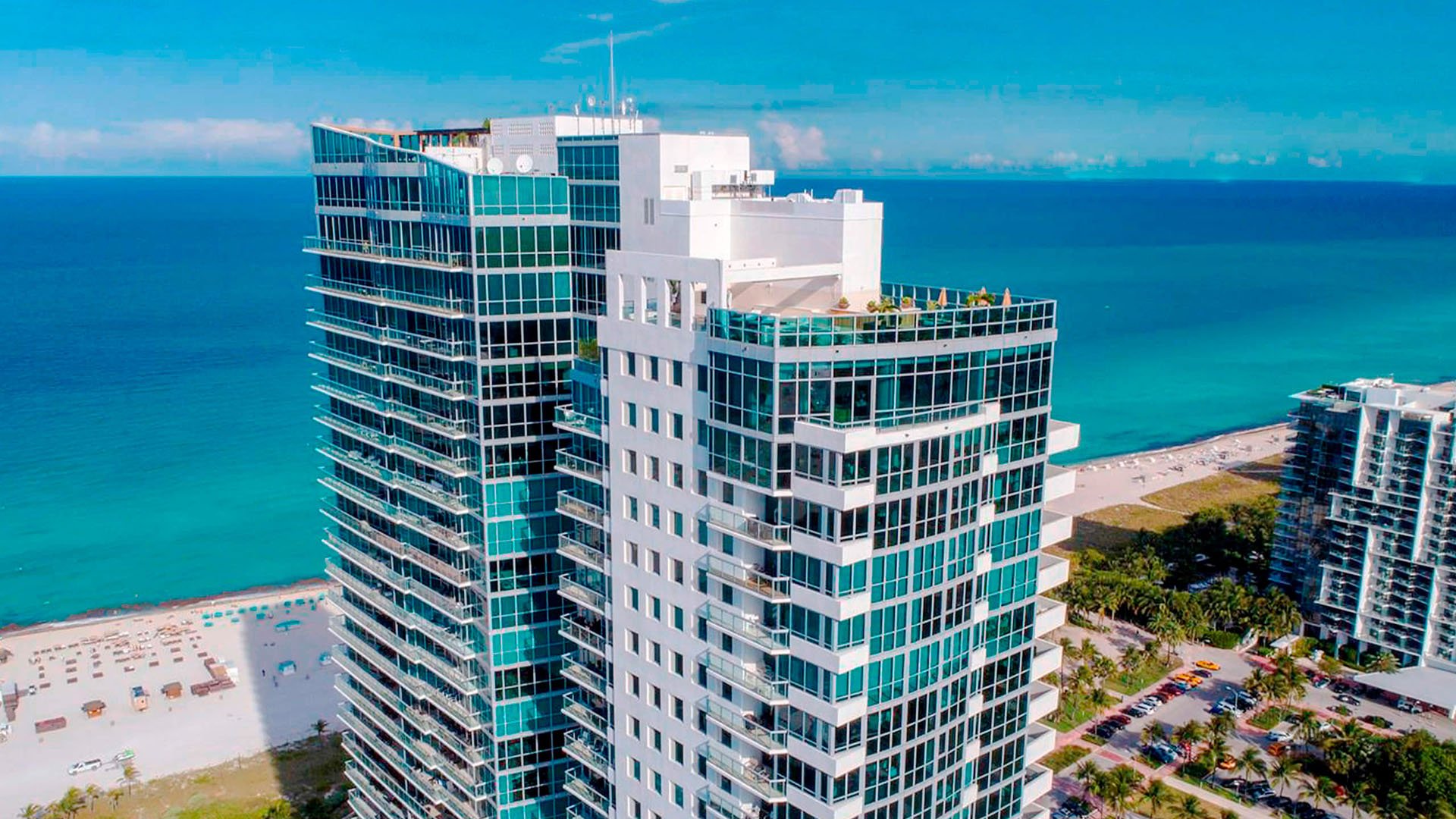
At Setai Residences Miami Beach, ownership extends beyond the residence itself to a hotel setting with pools, wellness facilities, dining and services. For a buyer seeking an effortless Miami Beach retreat, however, the essential financial question is not simply how much the monthly association fee is. It is what that payment actually secures.
The lowest advertised fee can be the wrong signal when it becomes shorthand for value before the obligations are understood. A lower figure is not evidence of underfunding, just as a higher figure is not evidence of stronger finances. The meaningful comparison is documented total ownership cost, measured against the services an owner expects to use.
The advertised figures show why no single number can represent the building. Unit #1803 is marketed with a monthly association fee of $2,620, while #1907 is advertised at $5,815. At 101 20th Street, #2902 is listed at $5,373 monthly and #2706 at $7,200. Unit #3803 is advertised at $7,220.
These are listing figures, not confirmation of current owner charges. They do not establish why the amounts differ, whether they capture every mandatory payment or whether they will remain in effect at a prospective closing. Buyers should not treat the smallest amount as a building-wide entry price for services.
The maintenance descriptions also differ. For #1803, advertised coverage includes security, building insurance, exterior maintenance, pool service, air-conditioning maintenance, parking, water, internet/Wi-Fi, cable TV and “all amenities.” For #1907, the description expressly names a reserve fund, roof repairs, a manager, a fidelity bond, insurance, electricity, parking and common-area expenses.
By contrast, #3803 has an abbreviated description naming security, pool service, “all amenities,” cable TV and other maintenance. These differences call for verification; they do not prove different entitlements. An omitted reserve-fund entry does not establish that reserves are absent. Nor does “all amenities” define which services are complimentary.
Request written confirmation of current dues for the specific residence and any additional mandatory charges. Ask for the adopted budget, an estoppel certificate, reserve information, pending assessments and scheduled increases. Reconcile those documents with the advertised amount rather than assuming the listing captures every obligation.
The budget and reserve materials deserve separate attention. Ask what the operating budget covers, what contributions support reserves and what planned expenditures may affect future payments. The objective is to understand the association's commitments-not to infer financial health from a monthly number. Neither the advertised fees nor the maintenance descriptions establish reserve adequacy or underfunding.
For assessments, ask which amounts are approved, which remain under consideration and how any obligation would be addressed in the purchase contract. Have the appropriate advisers review the response. Before concluding that a residence is less expensive to carry, a buyer needs clarity on both recurring payments and any separately identified exposure.
The hotel's amenity offering is substantial: three temperature-controlled pools-a 75°F lap pool, an 85°F central lounge pool and a 90°F family pool. Wellness offerings include Valmont Spa, an on-site fitness center, Finnish saunas and a cold plunge. On-site dining, gallery shopping and a custom bicycle fleet broaden the experience.
An amenity's presence, however, does not establish what residential dues cover. Obtain the applicable hotel-residence agreements and written clarification of owner access, guest access and any separately charged services. Distinguish the right to enter a facility from the cost of treatments, purchases or personalized service within it.
Beach-access expectations warrant the same precision. Hotel services advertised at the property include beach service, concierge assistance, housekeeping and in-suite dining. Their availability does not establish that residential association payments include them. Ask what owners receive, what requires a reservation or separate payment and whether any rental-program arrangement changes the applicable terms.
For buyers also considering Faena House Miami Beach, carry the same questions into that property's document review. The comparison should rest on verified owner entitlements, not an assumption that similar lifestyle appeal means identical service coverage.
For hotel stays, the traditional resort fee is included rather than charged separately. That policy does not resolve whether a residence carries additional mandatory charges or how residential amenity rights are structured.
Parking requires particular care. Hotel users face separate valet charges, while some residential listings advertise parking within maintenance. Neither establishes the precise arrangement for an individual owner. Request written confirmation of the parking entitlement and clarify the terms for valet service, additional vehicles and guests before building an ownership budget.
This distinction also belongs in any comparison with The Ritz-Carlton Residences® Miami Beach. Evaluate each residence through its own governing documents and service arrangements, without importing hotel policies or another property's terms into the analysis.
An advertised reference to building insurance is not a complete description of protection. Request the association's coverage details, exclusions and deductibles, then verify the owner's separate insurance obligations with an insurance adviser. Establish where association responsibility ends and the owner's responsibility begins.
Apply the same discipline to maintenance language. If air-conditioning maintenance appears in a listing, ask precisely what work it covers and what remains an owner expense. Broad descriptions are useful introductions, not substitutes for written definitions of responsibility.
Keep the confirmed answers together. A clear record of charges, coverage and service rights makes residences easier to compare without repeatedly relying on marketing shorthand.
Build the comparison in three parts: confirmed recurring obligations, separately identified assessments or scheduled changes, and discretionary services you expect to purchase. Add the residence's verified taxes, owner insurance and other applicable carrying costs to the association payment. Keep estimates clearly separate from confirmed amounts, and avoid counting a service twice when it is already included.
A seasonal owner anticipating housekeeping and in-suite dining will want different spending allowances from an owner who rarely uses those services. Neither usage pattern changes the need to verify the mandatory baseline. It changes the personal budget above that baseline.
The right fee is not necessarily the lowest or the highest. It is the documented obligation that supports the ownership experience you intend to enjoy, with responsibilities understood before closing.
For a discreet conversation about evaluating South Florida residences and their ownership costs, connect with MILLION.
If branded residences are on your mind — as a home or as an allocation — we would be glad to share what we are seeing, privately.
Begin a quiet conversationUnit 1803 is advertised with an association fee of $2,620 monthly. That listing figure does not confirm current owner charges or establish a building-wide minimum.
The figures do not establish why individual units have different fees. Request the current charges and applicable allocation details for the specific residence rather than inferring the explanation.
No. An advertised fee alone cannot establish underfunding, and a higher fee does not prove stronger finances.
Request current dues and mandatory charges, the adopted budget, an estoppel certificate, reserve information, pending assessments and scheduled increases.
No. A listing's abbreviated maintenance description does not establish whether the association collects reserves.
They are advertised hotel services, but their availability does not establish inclusion in residential dues. Confirm the owner's service terms and separate charges in writing.
The hotel describes three temperature-controlled pools: a 75°F lap pool, an 85°F central lounge pool and a 90°F family pool. Residential access terms should be verified separately.
No. The statement that a traditional resort fee is included in the stay concerns hotel stays, not residential association obligations.
No. Some residential listings advertise parking within maintenance, so owners should verify their specific parking and valet arrangements rather than assume hotel-user charges apply.
Verify association coverage, exclusions and deductibles, along with the owner's separate insurance obligations. An advertised reference to building insurance does not define the full scope of protection.