A Miami Beach condominium purchase requires more than personal loan approval. Understand the association questionnaire, project-level underwriting, and financing considerations that may shape your eventual resale.

A Miami Beach condominium can meet every personal requirement and still present a financing obstacle. The distinction is between the residence you want to own and the condominium project a lender must evaluate. Interiors, views, and your financial strength do not replace that second review.
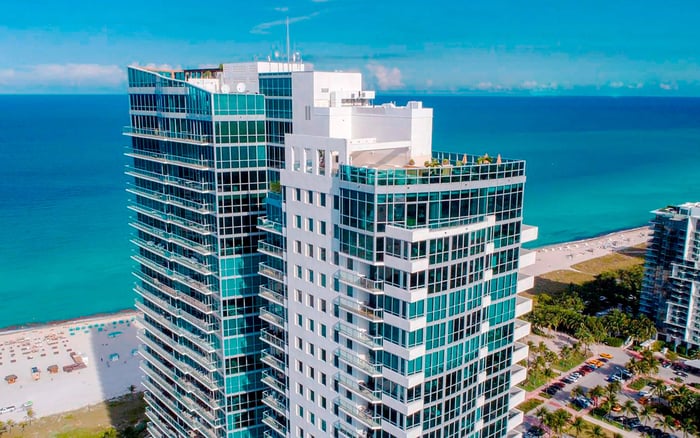
For a buyer considering 57 Ocean Miami Beach, the discipline is to run two evaluations in parallel: whether the home suits your life and whether the association’s documentation supports your intended financing. The same approach belongs in every condominium search. Project references here are illustrative, not statements about any building’s eligibility.
Warrantability deserves attention even when no mortgage is needed today. A future purchaser may depend on financing, making the building’s eligibility relevant to your eventual resale.
A warrantable condominium project meets the applicable Fannie Mae or Freddie Mac eligibility standards for conventional financing. This is a project-level determination, not simply a reflection of the buyer’s income, assets, or credit profile.
Lenders also evaluate association finances, insurance, ownership patterns, litigation, and other project risks. Personal loan approval therefore does not establish that the building meets the requirements of the proposed mortgage.
Ask your lender to identify the intended loan program and explain the project review it requires. Do not treat “jumbo” as another word for “non-warrantable.” If a portfolio or specialty program is proposed, ask for its specific requirements rather than relying on a broad financing label.
The practical question is not merely whether you can borrow, but whether that lender can finance that residence within that project under the intended program.
The association completes a Condominium Project Questionnaire, which the lender uses to assess the project against its financing requirements. Topics include rental activity, ownership concentration, assessment delinquencies, litigation, and insurance coverage.
Request the questionnaire and supporting documents before or alongside the appraisal. The package typically includes the current association budget, evidence of reserve funding, available reserve studies, and master insurance declarations. Early review can reveal obstacles before additional transaction costs accumulate.
Treat the questionnaire as an entry point, not a substitute for the documents behind its answers. Ask the lender to identify incomplete responses and any additional material needed for a decision. A reassuring conversation about the association is less useful than a complete package the project-review team can evaluate.
Reserve adequacy matters because lenders examine association reserves and Structural Integrity Reserve Study, or SIRS, compliance when reviewing Florida condominiums. Read the current budget alongside reserve funding and available studies, not in isolation.
Ask in writing whether special assessments are active or pending and what work or obligations they fund. The objective is to understand both the expense and its underlying cause.
Ask whether the building has completed its milestone inspection, whether a second-phase inspection was required, and whether major repairs were identified. Unresolved structural concerns, inspection findings, and repair funding gaps can complicate financing review.
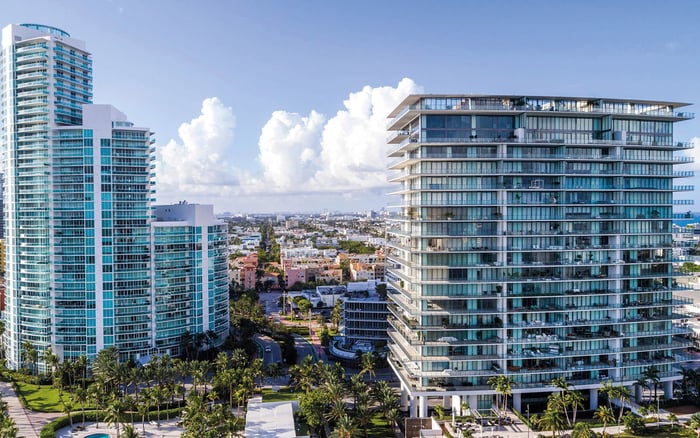
For a purchase at Apogee South Beach or another residence on your shortlist, include these written questions in your acquisition checklist. Neither the address nor the unit’s condition answers them. A special assessment is not automatically disqualifying; its purpose, associated work, and funding warrant project-specific lender review.
Insurance review can encompass property, flood, windstorm, and liability coverage, along with deductible details. Request the master insurance declarations and have the lender identify any further coverage information it needs. “The building is insured” does not answer the full underwriting inquiry.
Ownership patterns also matter. Significant investor ownership or a concentration of units under one owner can complicate eligibility even when an individual apartment is in excellent condition. Assessment delinquencies belong in this discussion as well: the questionnaire addresses the association, not just your own account.
Short-term rental activity and condo-hotel operations can create conventional-financing eligibility problems. Have the lender evaluate the building’s actual rental arrangements rather than drawing a conclusion from a marketing description or rental policy alone.
Do not use a single ownership or reserve percentage as a universal pass-or-fail rule. Ask which requirements apply to the specific project review and proposed financing.
Ask whether the association is involved in litigation, then provide enough detail for the lender to evaluate its nature and potential effect on eligibility. A lawsuit calls for review; it does not automatically mean financing is unavailable.
Before committing to contractual deadlines, discuss protections for satisfactory condominium-project approval with your attorney and lender. Personal qualification alone may not address the risk you intend to protect against.
The transaction sequence is straightforward: request documents early, submit them for lender review, clarify unresolved issues, and coordinate that review with contractual obligations. Ask for a clear account of what remains outstanding. Confidence in the borrower should never be mistaken for a completed building review.
Non-warrantable does not necessarily mean unfinanceable. Portfolio lenders and specialty mortgage programs may finance projects outside conventional agency guidelines.
Those alternatives can involve higher rates, larger down payments, stricter underwriting, and fewer lender choices. Terms depend on both the borrower and the project. Request an explanation of the specific eligibility issue, then compare the proposed alternative on its own terms.
Do not assume a different lender resolves every underlying concern. Evaluating a financing option and assessing the association’s condition are related but distinct decisions. The question remains whether the purchase makes sense given the available financing and documented project risks.
Cash removes the need for your own mortgage approval, but not future buyers’ financing constraints. A non-warrantable building can narrow access to conventional mortgages and reduce the potential buyer pool. That is a possible liquidity risk, not a guaranteed price discount or a predictable increase in selling time.
Investment discipline applies equally to a primary residence or a second home. When considering Faena House Miami Beach, weigh future financing access alongside personal enjoyment, without assuming the project’s status from its name or presentation.
Before closing, understand the lender’s current project determination, any unresolved documentation, and the terms of any alternative program. No present review can guarantee a future buyer’s financing. It can, however, help you distinguish a deliberate purchase from an avoidable surprise.
For a considered approach to your next Miami Beach residence, explore MILLION.
If branded residences are on your mind — as a home or as an allocation — we would be glad to share what we are seeing, privately.
Begin a quiet conversationA warrantable project meets applicable Fannie Mae or Freddie Mac eligibility standards for conventional financing. The determination concerns the project, not just the borrower.
No. Lenders separately evaluate project risks, including association finances, insurance, ownership patterns, and litigation.
The association completes the questionnaire. The lender uses its answers to assess whether the project satisfies the financing requirements.
Request the completed questionnaire, current association budget, evidence of reserve funding, available reserve studies, and master insurance declarations. Ordering these before or alongside appraisal can surface obstacles early.
Lenders examine reserve adequacy and Structural Integrity Reserve Study compliance in Florida condominium reviews. Repair funding gaps and unresolved structural concerns can complicate eligibility.
No. Ask in writing whether assessments are active or pending and what they fund, then have the lender evaluate the circumstances.
Review can include property, flood, windstorm, and liability coverage, along with policy deductibles. Master insurance declarations are part of the typical project package.
Yes. Short-term rental activity and condo-hotel operations can create eligibility problems, so the lender should review the actual arrangements rather than assume every rental policy is disqualifying.
Portfolio lenders and specialty mortgage programs may offer financing outside conventional agency guidelines. Options can involve higher rates, larger down payments, stricter underwriting, and fewer lender choices.
Future buyers may need conventional mortgages, and non-warrantability can narrow that buyer pool. This presents potential resale-financing and liquidity risks, not a guaranteed price discount.