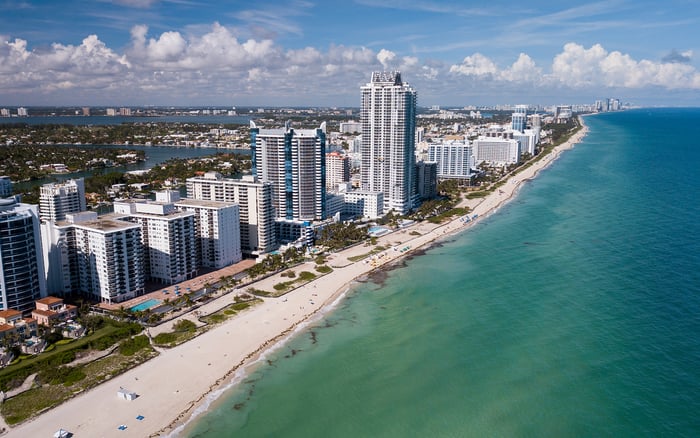
For an Apogee South Beach buyer, title protection and association due diligence answer different questions. Understand the boundaries of title insurance, the role of HO-6 loss assessment coverage, and the documents that help clarify future ownership costs.
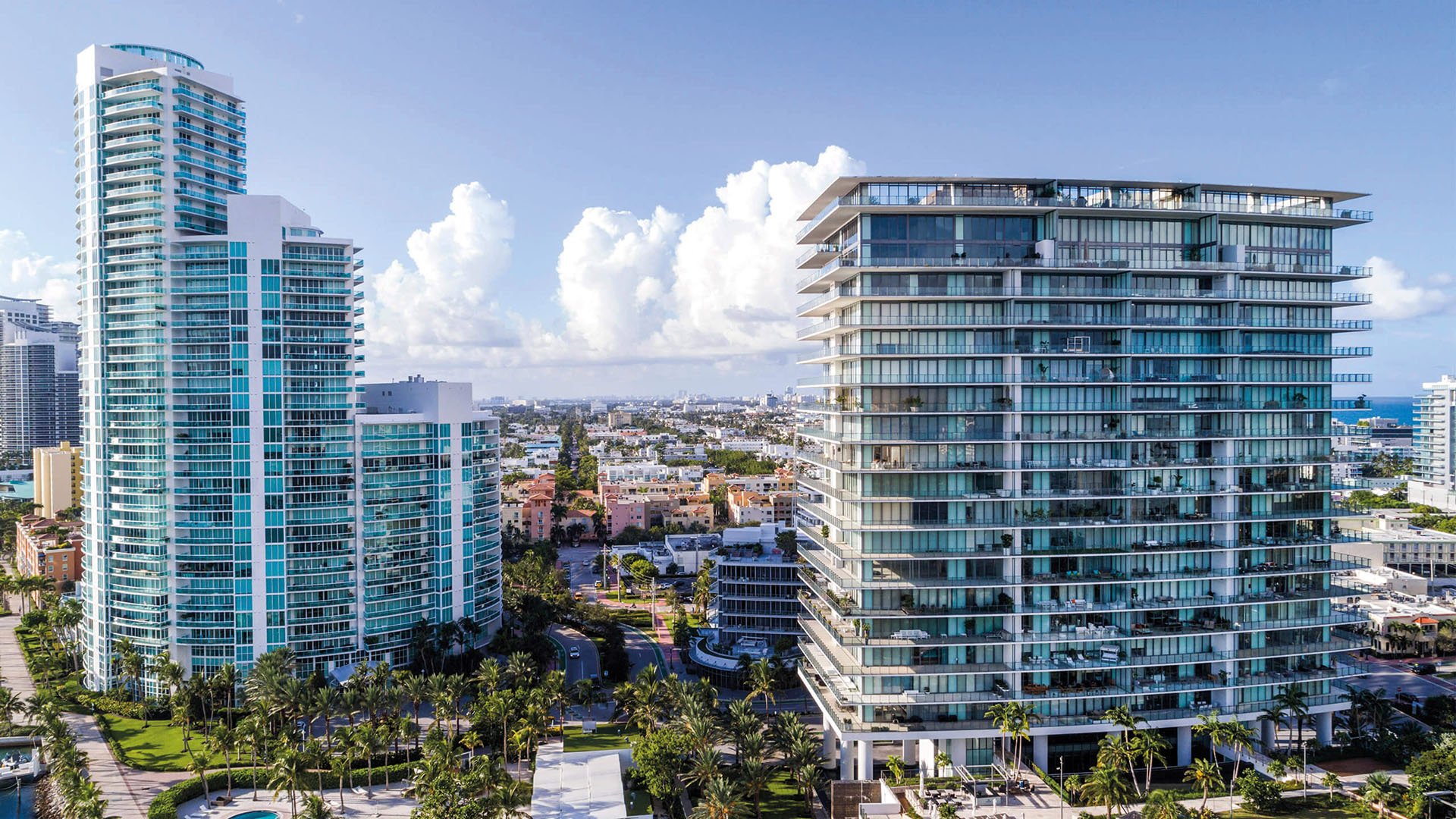
At Apogee South Beach, a considered purchase requires two distinct reviews: the legal protection attached to ownership and the financial obligations attached to the association. Title insurance addresses the first. It does not certify the quality of association governance, the adequacy of reserves, or the stability of future maintenance charges.
For a Miami Beach buyer, that distinction deserves consideration alongside the residence’s design and suitability. A policy can protect against a covered title defect while leaving the owner responsible for a newly imposed special assessment. These outcomes do not conflict; they concern different risks.
Any assessment exposure at Apogee should be established through current documents for the specific residence, not inferred from general condominium risks. The objective is not to presume a problem, but to understand what the buyer is acquiring and what remains financially uncertain.
Owner’s title insurance generally protects against title defects that existed at or before the policy date, subject to exclusions, exceptions, and endorsements. Covered problems can include forgery, undisclosed heirs, recording errors, mistaken legal descriptions, and missed liens or judgments.
Certain unpaid association assessments arising before closing may qualify as pre-existing title problems. That possibility does not mean every unpaid association charge is insured. Ask the closing attorney or title professional to explain how the proposed policy treats the specific charges affecting the residence.
A condominium endorsement can provide protection concerning the condominium’s legal creation and association charges or assessments due and unpaid as of the policy date. The wording matters. Do not assume every owner’s policy includes identical protection or that an endorsement turns title insurance into a guarantee against condominium expenses.
The practical question is precise: which existing title risks are insured, and which are excepted? Whether the board will increase maintenance next year is a separate inquiry.
Before closing, an association estoppel is typically obtained to identify current assessments, delinquencies, and fees. Treat it as a statement of current charges, not a forecast. A clear account today does not establish that future maintenance will remain unchanged.
For the specific Apogee residence, request the charge schedule, adopted budget, reserve information, and assessment notices. Read them together; no single document should stand in for the others.
Charge schedule: Establish the recurring charges associated with the residence and clarify any unfamiliar line items.
Adopted budget: Review how current operations are funded and ask which assumptions warrant further explanation.
Reserve information: Examine reserve funding and ask how anticipated capital needs are being addressed.
Assessment notices: Identify any disclosed assessment, its purpose, and its payment schedule, then have counsel clarify responsibility under the transaction documents.
Keep current amounts, approved obligations, and possible future expenditures separate in your review. Combining them into a single monthly figure can obscure what is payable now and what remains uncertain.
Association governance calls for judgment, not simply an insurance purchase. Title coverage does not evaluate how effectively a board communicates, prioritizes maintenance, or plans for capital spending. A buyer should assess those questions independently.
Extend the financial review by requesting relevant meeting minutes, available project information, and explanations of proposed work. Ask whether an expenditure is under discussion, has been approved, or has already been assessed. These are diligence questions, not assertions about Apogee’s current condition or decisions.
If Continuum on South Beach is also on your shortlist, apply the same document-led approach there. Comparisons are more useful when each association’s obligations receive equivalent scrutiny. The existence of title insurance is no substitute for financial review.
Look for answers consistent with the documents. If explanations remain unclear, ask your advisers what additional review would resolve the uncertainty before proceeding. Confidence should rest on a coherent understanding of the obligations, not an assumption that an insurer will absorb them later.
Loss assessment coverage belongs in the unit owner’s HO-6 insurance, not title insurance. It generally responds only when an association assessment arises from a loss covered by that policy.
The association’s master policy generally covers the building exterior and common areas, while individual condominium insurance covers personal belongings and applicable fixtures within the unit. If a covered casualty loss exceeds the association’s master-policy limits, owners may face an assessment that makes their own loss assessment coverage relevant.
Florida Statute 627.714 requires residential condominium unit-owner policies to include at least $2,000 in loss assessment coverage. That minimum is not a tailored measure of the buyer’s exposure. Review both the available limit and covered causes of loss with an insurance adviser.
The trigger matters as much as the amount. A higher limit does not bring an otherwise excluded expense within coverage. Ask how the proposed HO-6 policy would respond to a qualifying casualty assessment and which conditions or exclusions could affect payment.
An assessment’s label does not determine insurance coverage. Its underlying cause matters.
Concrete restoration or re-piping undertaken because of wear, deterioration, or deferred maintenance generally does not trigger loss assessment coverage. The same distinction applies to structural integrity reserve study shortfalls and milestone-inspection repairs when no covered loss caused the expense.
Elective improvements, such as a lobby renovation or new fitness center, generally fall outside loss assessment coverage as well. These examples describe categories of expense, not work said to be planned at Apogee.
Future maintenance increases and newly imposed special assessments are not covered merely because the buyer purchased title insurance. For planning purposes, separate potential casualty-related exposure from ordinary maintenance, reserve funding, and discretionary improvements. Then identify which risks may be insured and which the owner must be prepared to fund.
The same discipline applies when considering Faena House Miami Beach: evaluate the residence and the association obligations separately. This is a framework for comparison, not a claim that different buildings share the same financial condition.
Before committing, seek three clear answers from the appropriate advisers: what the title policy insures, what the association documents establish, and what the HO-6 policy may cover. Keep unresolved questions explicit rather than treating them as insured contingencies.
A well-considered acquisition pairs personal appeal with an informed understanding of continuing obligations. Title insurance is an important protection within that decision, but it is not the whole decision.
For a considered approach to South Florida residential ownership, explore MILLION.
If branded residences are on your mind — as a home or as an allocation — we would be glad to share what we are seeing, privately.
Begin a quiet conversationTitle insurance protects against covered title defects, not the quality of association management, reserve planning, or future budget decisions.
Covered problems can include forgery, undisclosed heirs, recording errors, mistaken legal descriptions, and missed liens or judgments. Protection depends on the policy’s terms, exclusions, exceptions, and endorsements.
Certain pre-existing unpaid assessments may be covered, but protection should not be assumed for every charge. Have the title professional review the specific obligation and policy language.
It can provide protection concerning the condominium’s legal creation and association charges or assessments due and unpaid as of the policy date. The actual endorsement wording controls.
No. An estoppel typically identifies current assessments, delinquencies, and fees rather than forecasting future charges.
Request the charge schedule, adopted budget, reserve information, and assessment notices for the particular residence. Review them together with the current estoppel.
No. Any current assessment exposure should be established through the documents for the specific residence, rather than inferred from general condominium risks.
Loss assessment coverage belongs in the unit owner’s HO-6 policy. It generally responds only when the assessment arises from a loss covered by that policy.
Generally not when no covered loss caused the expense. Wear-related restoration, reserve shortfalls, and elective improvements are not automatically insured assessments.
Florida Statute 627.714 requires residential condominium unit-owner policies to include at least $2,000. Buyers should confirm both their actual limit and the covered causes of loss.