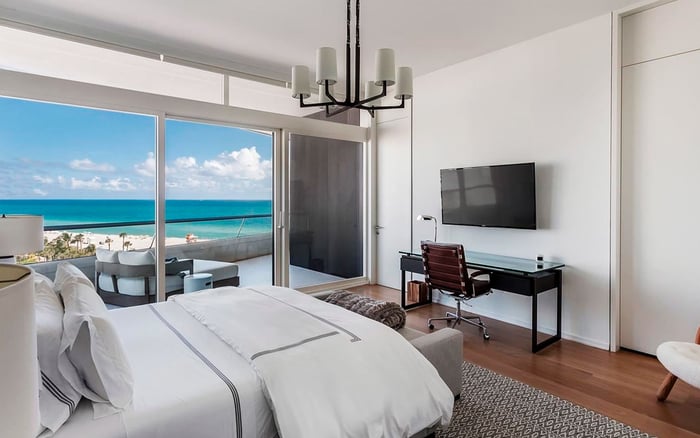
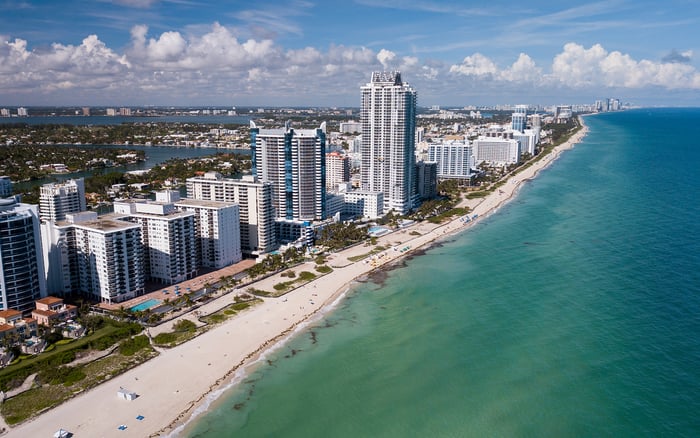
An Art Week purchase should work beyond the calendar. For buyers considering Miami Beach, rental eligibility, event permissions, noise exposure, and documented ownership rules deserve as much attention as the residence itself.
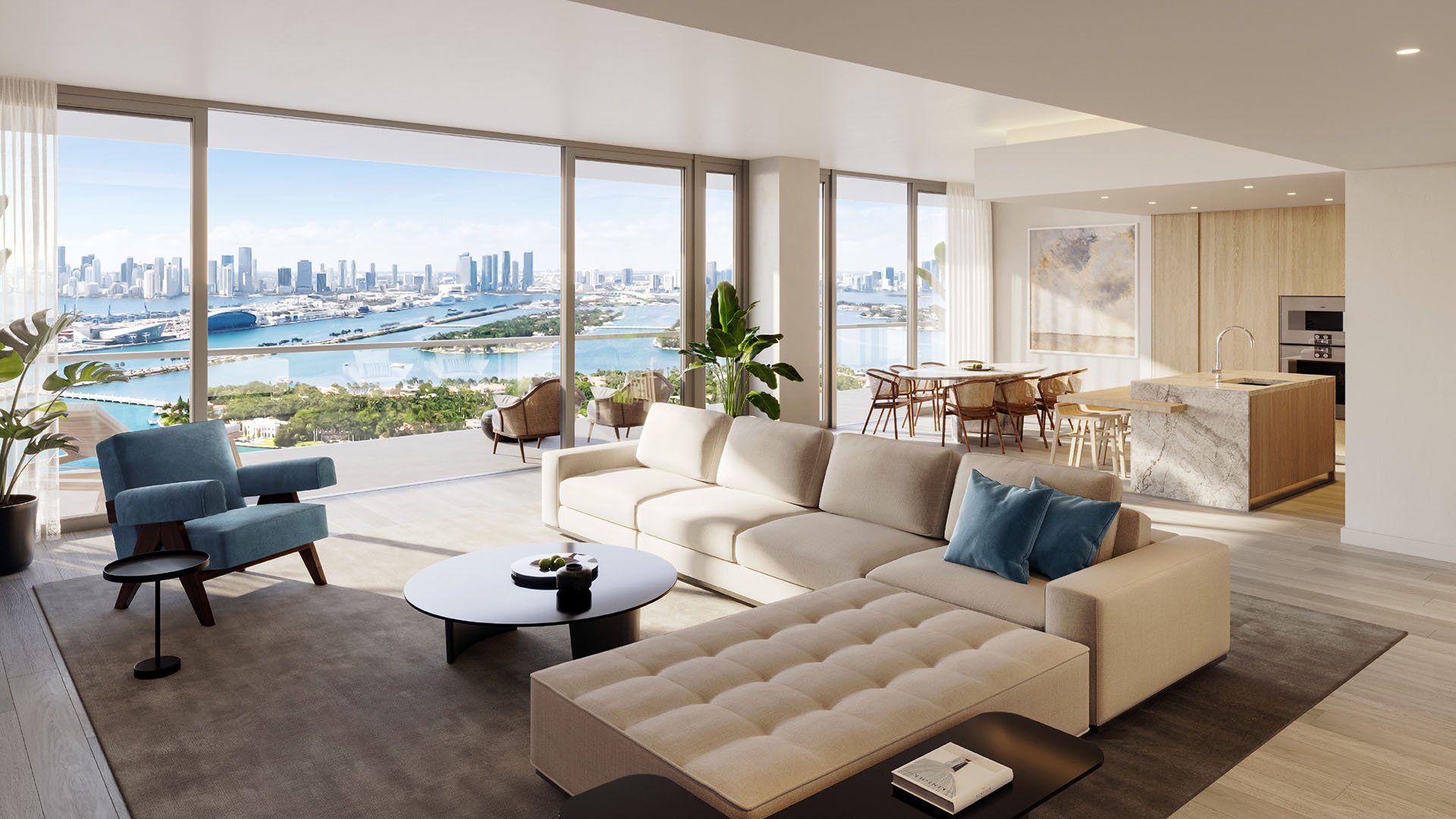
Buying around Miami Art Week invites a seductive question: which residence would make the week effortless? The more useful question is which residence will support how you intend to live, host, and hold the property throughout ownership. A beautifully composed home can still be the wrong acquisition if its permitted uses conflict with the rationale for buying it.
Separate three ambitions before touring: personal enjoyment, rental income, and entertaining. Each requires different checks; permission for one should never be treated as permission for another. The clearest regulatory distinctions here concern Miami Beach. They should not be carried across municipal boundaries to the City of Miami or elsewhere in South Florida without a separate review.
For a shortlist that includes Five Park Miami Beach, begin with a written brief outlining intended stays, potential leasing, and hosting expectations. That brief is a due-diligence tool, not a statement about the building’s policies.
Miami Beach prohibits vacation and short-term rentals in all single-family homes. Short-term rentals are also prohibited in many multifamily buildings within specified zoning districts. For affected properties, the restricted rental period is less than six months and one day.
The distinction matters for an Art Week purchase. A Miami Beach single-family home should not be underwritten on the assumption that it can produce weeklong rental income while its owner is away. Nor does a condominium address, a furnished interior, or an attractive holiday calendar establish permission for short stays.
For a condo, confirm zoning eligibility and the applicable minimum lease term before including rental revenue in the acquisition budget. Then review the condominium documents separately. Municipal permission does not resolve every question about leasing within a particular association.
A buyer considering Setai Residences Miami Beach should follow the same sequence without presuming any rental entitlement: establish what is legally permissible, then verify what the governing documents allow for the residence under consideration. Keep rental assumptions out of the financial model until those questions are resolved.
A disciplined purchase budget distinguishes enjoyment value from income that is both lawful and achievable. The legal option to rent is an underwriting consideration, not a promise of occupancy, pricing, or investment returns.
Build a base case that does not depend on Art Week rental receipts. If the property remains compelling on that basis, any subsequently verified leasing option can be evaluated on its own merits. If the acquisition works only with a lucrative short booking, the rental review belongs before commitment, not after closing.
Keep the review practical. Request the applicable lease provisions, guest-registration requirements, security procedures, and event policies. Have counsel reconcile municipal requirements with the association’s documents, and distinguish written permissions from informal accounts of how owners supposedly use their homes.
The objective is clarity, not maximum flexibility. An owner seeking a private seasonal retreat may prefer different rules from one whose plans depend on leasing. Neither preference establishes superior resale performance.
A daytime showing cannot fully answer an Art Week buyer’s questions about sound, arrivals, and privacy. Where feasible, visit the immediate surroundings at different hours. Consider the proposed bedroom location, outdoor living areas, vehicle access, and the route guests would take from arrival to the residence. These are inspection priorities, not assurances about any building’s performance.
In Miami Beach, a specific nighttime excessive-noise standard applies from 11:00 p.m. to 7:00 a.m. Under that standard, excessive noise plainly audible 100 feet from its originating building, structure, or vehicle constitutes prima facie evidence of a violation.
That is an enforcement standard, not a guarantee of silence after eleven. Nor does it mean excessive noise is permissible during the day. Buyers should not mistake a legal threshold for an assurance of acoustic comfort inside a particular home.
When evaluating Faena House Miami Beach, make the acoustic review residence-specific. Ask how noise complaints are handled and examine the unit’s actual exposure rather than inferring quiet from an address or project name. A management conversation should complement, not replace, direct observation.
Ownership does not automatically authorize every event an owner might wish to host. A 2024 court ruling upheld Miami Beach’s authority to require special-event permits for the types of Art Week house parties at issue. Those parties had prompted neighbor complaints about noise and traffic bottlenecks extending into the early morning.
The lesson is narrower than a blanket restriction on private hospitality. The ruling does not establish that every private gathering requires a special-event permit. It does show why an intended event deserves its own review rather than being folded into a general discussion of residential use.
Describe the proposed gathering to counsel and the relevant property-management team before committing to a hosting plan. Ask whether municipal permitting or building approval is needed, and review guest access, security, and arrival arrangements. Rental eligibility and event permission are separate questions; neither resolves the other.
For a buyer whose ideal Art Week includes entertaining at home, the right acquisition is one whose verified rules accommodate the intended occasion without relying on exceptions or assumptions.
Proximity to Art Week, privacy, professional management, and rental flexibility may matter to buyers. They should not be presented as established resale premiums. There is no basis here for assigning a price uplift to any of them.
For a residence at The Perigon Miami Beach, as with any other candidate, separate personal appeal from the evidence needed to support a future resale valuation. Neither the project name nor an imagined rental calendar can substitute for property-specific analysis.
A useful ownership file should preserve the documents supporting permitted uses, applicable lease terms, and association procedures. That provides a clearer account of what the property offers, without promising that a future purchaser will pay more for it.
Before proceeding, resolve the essential questions: can the residence support your intended stays, is any proposed rental lawful, can planned entertaining be accommodated, and is the purchase comfortable without speculative festival income? Art Week can inspire the search. Verified ownership conditions should determine the decision.
For a discreet conversation about aligning a South Florida purchase with your ownership priorities, connect with MILLION.
If branded residences are on your mind — as a home or as an allocation — we would be glad to share what we are seeing, privately.
Begin a quiet conversationMiami Beach prohibits vacation and short-term rentals in all single-family homes. A purchase should not depend on weeklong Art Week rental income.
No. They are prohibited in many multifamily buildings in specified zoning districts, and condominium documents require a separate review.
The restricted period is less than six months and one day. Confirm the property’s zoning eligibility and applicable lease requirements before budgeting rental income.
These Miami Beach rules should not be assumed to apply in the City of Miami or other municipalities. Review the jurisdiction governing each candidate property separately.
Review lease provisions, guest-registration requirements, security procedures, and event policies. Confirm how the governing documents interact with municipal requirements.
A specific standard covers 11:00 p.m. to 7:00 a.m. Excessive noise plainly audible 100 feet from its originating building, structure, or vehicle during those hours constitutes prima facie evidence of a violation.
No. That nighttime provision does not establish that excessive daytime noise is permissible, nor does it guarantee nighttime silence.
The 2024 ruling upheld permitting authority for the types of house parties at issue, not every private gathering. Review the proposed event separately for municipal and building requirements.
No resale premium is established here for rental flexibility, privacy, professional management, or Art Week proximity. Treat lawful rental options as an underwriting consideration rather than a guaranteed return.
Use a base case that does not rely on Art Week rental income. Evaluate any verified leasing option separately once municipal and condominium requirements are clear.