Opus Coconut Grove pairs a 14-residence format with rooftop leisure, fitness and spa spaces. Before purchasing, buyers should obtain written capacity, reservation, guest-access and private-event rules, along with the proposed governing documents and first-year operating budget.

In a boutique building, wellness can feel especially personal. Opus Coconut Grove is planned with only 14 residences, each offering three or four bedrooms and approximately 1,905 to 3,946 square feet. That limited collection suggests an intimate ownership environment, but it does not guarantee uninterrupted access to shared amenities.
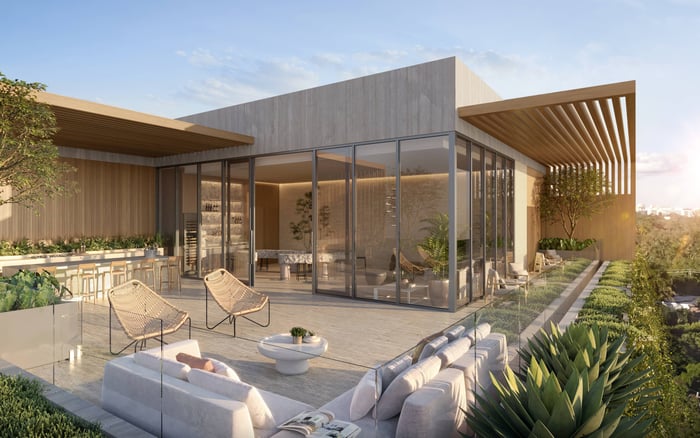
The proposed rooftop program brings together several desirable uses: a secluded pool, bar and lounge; a covered patio with an outdoor kitchen and gas barbecue; and a gym with weight and cardio equipment. The fitness and spa offering also includes a sauna, steam room and massage or treatment rooms. Each space may be compelling in presentation, yet its everyday value will depend on capacity, scheduling and enforcement.
A wellness amenity is only as private and convenient as its operating rules allow.
At the pre-construction stage, buyers should distinguish between a physical amenity and the right to use it at a preferred time. The spaces have been identified, but numerical occupancy limits, reservation windows, cancellation policies, private-event procedures and per-residence guest caps have not. Those details should remain unconfirmed until they appear in governing or operating documents.
Fourteen residences represent a small ownership base, though the homes' larger bedroom counts could concentrate demand when families and guests use the building simultaneously. A single building-wide occupancy figure would not suffice. Buyers should request the posted maximum for the pool deck, gym, sauna, steam room and each treatment room.
Capacity affects more than comfort. It determines whether a resident can reliably exercise before work, use the sauna at a preferred hour or host visitors by the rooftop pool. The covered entertaining area adds another layer of potential demand, particularly when cooking, lounging and swimming occur at once. Ask how furniture layouts, private gatherings and safety limits will affect the number of residents who can use the rooftop concurrently.
The same discipline applies when comparing Coconut Grove options. Prospective owners considering The Well Coconut Grove or Four Seasons Residences Coconut Grove should compare actual operating rights rather than amenity labels alone. A sauna, treatment room or pool has different practical value depending on who receives priority and how often access can be restricted.
Reservation rules should answer four questions: what must be booked, how far in advance residents may reserve, what time limits apply and what happens after a cancellation or no-show. The treatment rooms, outdoor kitchen and lounge are obvious candidates for scheduled use, but buyers should also confirm whether the sauna, steam room, gym equipment or pool seating will be reservable.
Private events warrant particular scrutiny because the rooftop combines wellness and entertaining. Determine whether a residence can reserve the patio, bar or lounge exclusively-and whether doing so can close the pool or interrupt gym access. Ask about blackout dates, quiet hours, deposits, cleaning charges, usage fees and cancellation penalties. If an event overlaps with a peak weekend or holiday, the documents should clarify what remains available to everyone else.
Spa operations deserve a separate inquiry. Buyers should establish who will operate and staff the treatment rooms, whether services are included or separately charged, and whether residents may book outside therapists. The availability of a group-fitness schedule, an included personal-training program and a policy for outside trainers remains unconfirmed. Written rules should therefore establish whether outside professionals are permitted, how they register and whether they count toward a guest allowance.
“Guest” is rarely a single category in a luxury condominium. Daytime visitors, overnight guests, children, personal trainers, therapists, caterers and event vendors can present different access and insurance considerations. Request a written limit for each group, including whether caps apply per visit, per day or per residence.
Age and supervision provisions matter because the development also plans a children's playroom. Buyers should confirm minimum ages and adult-supervision requirements for the pool, gym, sauna, steam room and treatment areas. The rules should also explain whether children may pass through wellness areas to reach another rooftop space and whether designated adult-only hours could apply.
The project plans 24-hour concierge reception, security and valet parking-staffing that could support visitor registration. Buyers should not, however, assume the method. Confirm whether access will rely on key fobs, mobile credentials, front-desk approval or biometrics. Semi-private elevators are also planned, so ask whether elevator credentials restrict access to wellness floors and how temporary guest permissions expire.
Finally, establish whether the facilities are exclusively for residents and their approved guests. Outside memberships, day passes or third-party spa clients could materially alter traffic and availability if ever permitted. The documents should state who may authorize access and whether the association could later revise that policy.
Marketing illustrates intent; governing materials define use. Request the proposed condominium declaration, association rules, amenity handbook and first-year operating budget. Read them together, since one document may grant a right while another establishes hours, fees or reservation procedures. Operational detail deserves the same scrutiny as finishes, views and floor plans.
The budget can also reveal how the service model is intended to function. Ask which staff members will administer bookings, monitor guest access, prepare treatment rooms and supervise rooftop events. Do not infer a staffing level or included service from the presence of concierge reception. Obtain written clarification on what association assessments support and what residents will pay à la carte.
A buyer comparing The Lincoln Coconut Grove or Mr. C Tigertail Coconut Grove can apply the same checklist. The objective is not to identify the longest amenity menu, but to determine which building provides the clearest, most dependable relationship between ownership and access.
Before signing, request a consolidated written response covering maximum occupancies, hours, reservation priority, advance-booking windows, cancellation charges, event closures, guest limits, child supervision and professional access. Confirm the rules for trainers, therapists and vendors, along with all deposits and usage fees. If policies are still being drafted, ask when they will be incorporated into binding or board-adopted documents.
Opus Coconut Grove has the ingredients for a refined private wellness setting: a limited residence count, rooftop leisure, fitness facilities and dedicated spa spaces. The decisive issue is how those ingredients will be shared. Clear capacity, booking and guest-access standards can preserve both spontaneity and privacy, while vague procedures may leave even an elegantly designed amenity difficult to use when it matters.
For discreet guidance when evaluating Opus Coconut Grove and its operating documents, consult MILLION.
If branded residences are on your mind — as a home or as an allocation — we would be glad to share what we are seeing, privately.
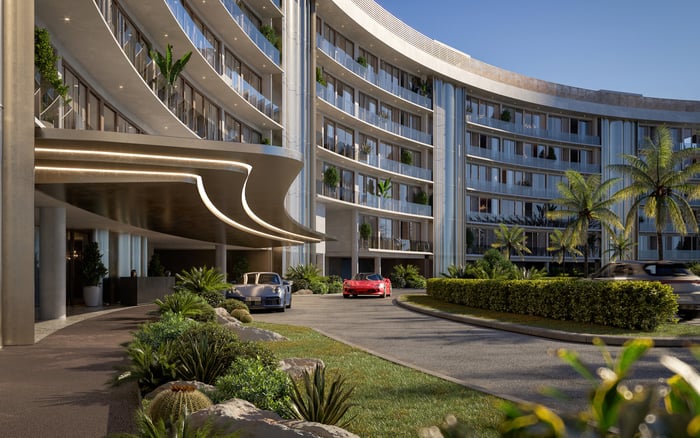
Begin a quiet conversationOpus Coconut Grove is planned as a boutique development with 14 residences.
The three- and four-bedroom residences range from approximately 1,905 to 3,946 square feet.
The rooftop program includes a secluded pool, bar, lounge, covered patio, outdoor kitchen, gas barbecue and fitness facilities.
The wellness program identifies a sauna, steam room and massage or treatment rooms.
Published amenity materials do not state numerical occupancy limits for the pool, gym, sauna, steam room or treatment rooms.
Reservation windows, cancellation policies and private-event procedures are not specified in the published amenity materials.
That should be confirmed in writing because the rooftop combines swimming, fitness, lounging and entertaining uses.
Request written limits for daytime visitors, overnight guests, children, trainers, therapists and event vendors.
Buyers should confirm whether access will use key fobs, mobile credentials, front-desk registration, biometrics or elevator controls.
Request the proposed condominium declaration, association rules, amenity handbook and first-year operating budget.