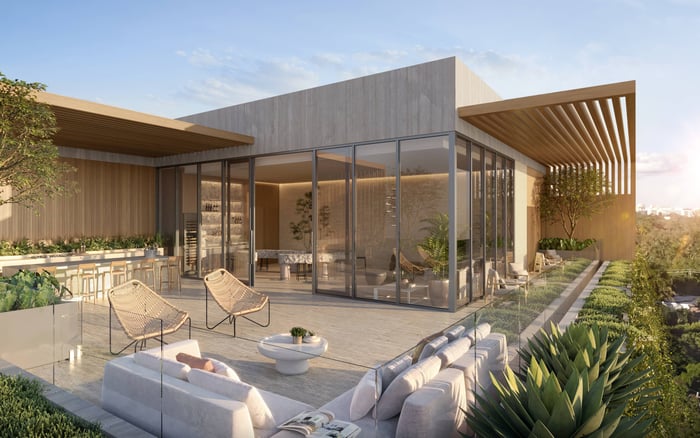
Before committing to Opus Coconut Grove, verify how electrical capacity, lighting controls, wine-cellar systems, and parking infrastructure will support your collection and daily routines. The essential distinction is between an advertised amenity and a documented, residence-specific entitlement.
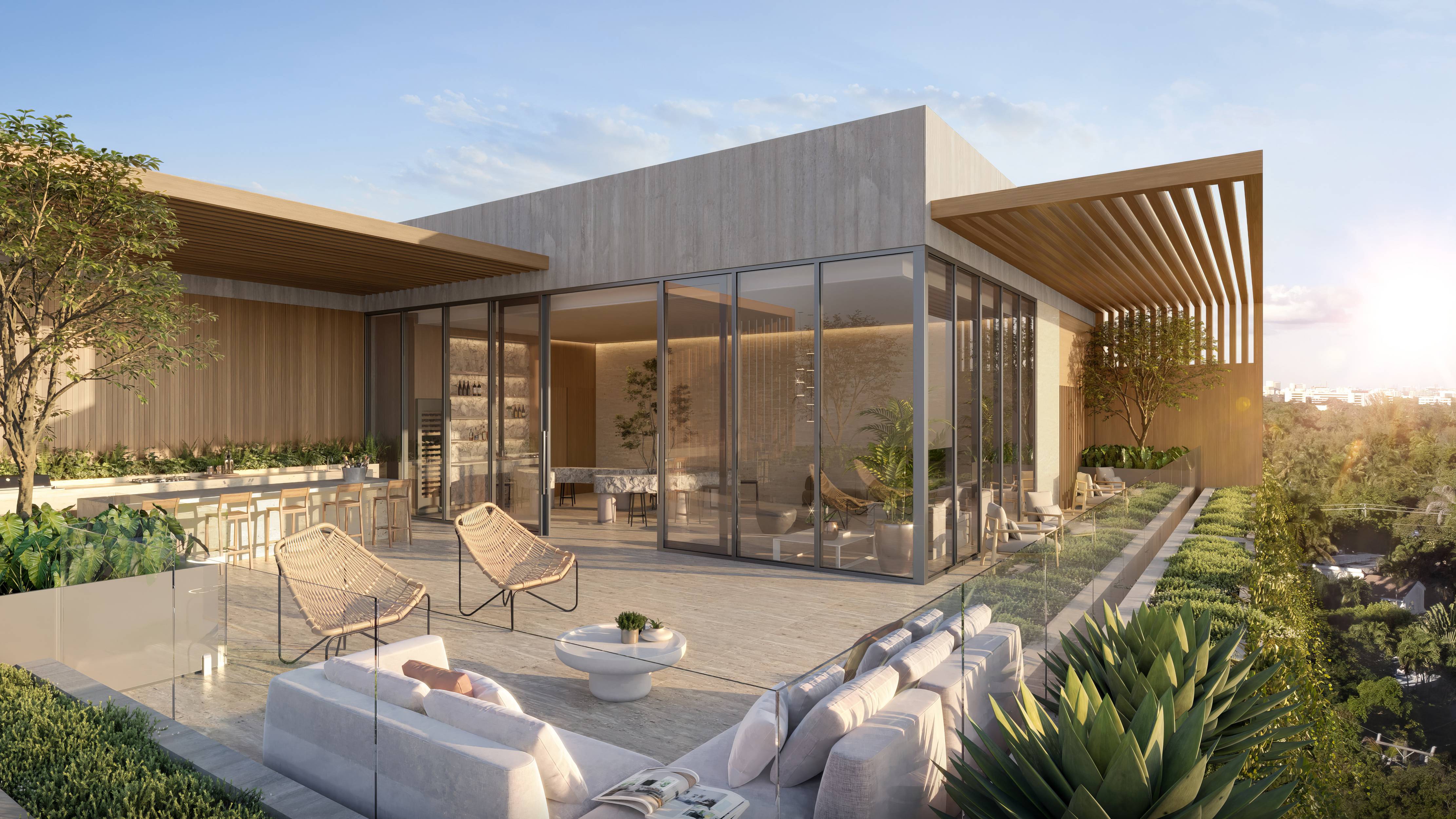
A carefully lit collection, wine stored under controlled conditions, and a vehicle ready for the next morning belong to the same vision of effortless ownership. At Opus Coconut Grove, the purchase question is not simply whether these experiences appear in the amenity offering. It is whether the infrastructure and purchase documents support the way you intend to live.
The listed address is 3137 SW 27th Avenue, Miami, FL 33133. Advertised features include smart-home pre-wiring, a private dedicated wine cellar, and residential EV charging. These descriptions are a starting point, not a residence-specific electrical specification. They do not establish unit service amperage, spare capacity, charger output, or cellar environmental performance. That is a reason to request documentation, not evidence of a deficiency.
Before selecting lighting fixtures or specialty refrigeration, request the approved electrical plans, one-line diagram, permit load calculations, and panel schedules for the residence. Ask the project team to identify the applicable revision and confirm in writing the capacity available for buyer upgrades.
Have a qualified electrical professional reconcile those documents with your proposed equipment. The review should distinguish among the residence's service capacity, panel ratings, available breaker positions, and capacity actually available for additional loads. Ask separately how the wine cellar and garage charging are supplied; do not assume they draw from the residence's panel.
A useful written review should address:
The equipment included in the base electrical design and its scheduled loads.
Proposed art-lighting circuits, controls, and specialty refrigeration.
Spare breaker positions and accessible wiring or conduit routes.
Any upgrade permissions, costs, or building-level constraints requiring approval.
Advertised residence features include Miele and Sub-Zero appliances, alongside natural-gas cooking equipment. Reconcile the final appliance schedule with both electrical and gas requirements. Brand names alone do not establish whether the residence can accommodate your additional refrigeration or lighting package.
The advertised 12-foot ceilings and full-height glass windows and doors make lighting placement and shading part of the purchase review. For an art collection, assess the proposed installation as a complete system: fixtures, drivers, dimmers, controls, wiring, and access for future service.
Smart-home pre-wiring is not an installed automation platform or a guarantee that a preferred lighting system will work. Ask exactly what will be delivered, where wiring terminates, and which components remain the buyer's responsibility. Have a lighting designer and electrician check dimming compatibility, zoning, dedicated circuits where appropriate, and low-voltage provisions against the actual fixture schedule.
Daylight deserves equal attention. An emphasis on natural light does not establish UV protection or art-preservation performance. Request glazing and shading specifications, and have your advisers assess the intended display locations. A bright room and a suitable environment for a particular artwork are separate questions.
If Four Seasons Residences Coconut Grove is also on your shortlist, apply the same document-based lighting review there. Compare delivered systems and permitted alterations, not assumptions about what a luxury interior includes.
A private dedicated wine cellar is advertised, but first establish exactly which cellar is included in the purchase. Obtain a plan or contractual exhibit showing the cellar assigned to your residence, its location, and the scope of the space and equipment to be delivered.
Then separate the enclosure from the operating system. Confirm whether racks, cooling equipment, display lighting, and controls are included. Request details of the cooling equipment's power supply, documented temperature and humidity controls, insulation, drainage, and alarms. Ask whether backup power serves the cellar and, if so, precisely which equipment it supports.
Maintenance responsibility is equally important. Establish who services the cooling equipment, responds to alarms, pays for electricity, and handles repairs. Have counsel review how the governing and purchase documents allocate those obligations.
If you are contemplating a larger collection or a more elaborate display, obtain written approval and a technical assessment before assuming expansion is possible. Evaluate additional cooling or lighting against the applicable electrical design. The word cellar, on its own, establishes neither a finished storage system nor expansion capacity.
The garage is advertised as equipped with residential electric vehicle charging. The advertised parking allocation is two to three assigned spaces per residence-not three in every case. References to independent charging for each residence should not be read as a charger at every assigned space.
Request an exhibit identifying your spaces and the charging provision attached to each. Then obtain the charger make and model, connector, output, metering arrangement, fees, and load-sharing rules. Ask for a written explanation of charging performance when multiple vehicles are connected. An equipment rating alone does not establish simultaneous-charging performance.
The advertised KLAUS Multiparking system warrants a separate operational review. Obtain vehicle-fit requirements and charging procedures for your assigned spaces. Confirm how your proposed vehicle and charger work within the automated parking arrangement, including connection, disconnection, and retrieval procedures.
The practical question is straightforward: does the documented arrangement support your vehicles and expected charging routine? Resolve it before treating the number of parking spaces as a measure of charging convenience.
Ask your advisers to review a single proposed equipment schedule rather than three isolated wish lists. Art lighting, wine storage, household appliances, and vehicle charging may involve different electrical supplies and approval paths. The review should identify those distinctions and assess the intended operating conditions without assuming everything shares one panel.
If you are also considering Park Grove Coconut Grove, use the same comparison framework: included equipment, documented capacity, alteration rights, operating rules, and ongoing responsibilities. This does not imply equivalent systems across properties. It makes each property's commitments easier to evaluate on their own terms.
The advertised delivery year is 2027. Treat it as a projection, not proof of completion or occupancy approval. Confirm the final building configuration in the approved legal documents, particularly where descriptions differ.
Before committing, assemble a residence-specific file covering electrical capacity, lighting provisions, the assigned cellar, parking allocations, and charging terms. Identify included equipment, buyer-funded additions, required approvals, and unresolved technical questions. Have counsel review alteration permissions, repair obligations, charging rules, and whether appropriate purchase contingencies can be negotiated.
The objective is not to eliminate personalization. It is to establish which improvements are supported, which require approval, and who is responsible for delivering them. That clarity allows the finished residence to serve the collection, the cellar, and the daily routine with fewer assumptions.
For a discreet perspective on your South Florida residential search, connect with MILLION.
If branded residences are on your mind — as a home or as an allocation — we would be glad to share what we are seeing, privately.
Begin a quiet conversationThe project identifies its address as 3137 SW 27th Avenue, Miami, FL 33133. Confirm the purchase property's legal identification in the approved transaction documents.
The supplied specifications do not establish unit service amperage, panel ratings, or spare capacity. Request the approved electrical plans, load calculations, and residence-specific panel schedules.
Not necessarily. Confirm the delivered equipment, wiring terminations, and compatibility with your proposed fixtures and dimmers.
The emphasis on natural light does not establish UV protection or art-preservation performance. Request glazing and shading specifications for professional review.
Confirm the assigned cellar's identity and whether racks, cooling, lighting, and controls are included. Also establish environmental specifications, power supply, alarms, and maintenance responsibility.
Expansion capacity is not established by the marketing description. Obtain a technical assessment and written approval for proposed additional cooling, storage, or lighting.
The advertised allocation is two to three assigned spaces per residence. Verify the exact allocation in the documents for your purchase.
Residential EV charging is advertised, but that does not establish charging at every assigned space. Obtain written confirmation of space coverage, charger output, load sharing, metering, and fees.
For the marketed KLAUS Multiparking system, obtain vehicle-fit requirements and charging procedures for the assigned spaces. Confirm connection, disconnection, and retrieval procedures for your intended vehicle.
The advertised 2027 delivery year is a marketing projection, not proof of completion or occupancy approval. Have counsel review the contractual delivery provisions.