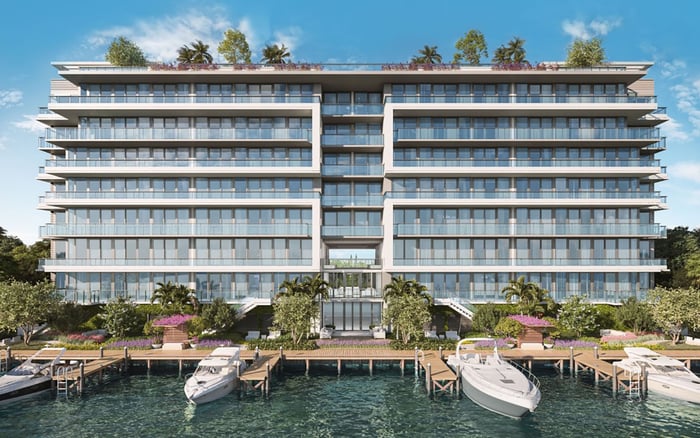
La Baia North’s wellness positioning calls for operational due diligence. Buyers should verify capacity, reservations, guest privileges, staffing, fees, and the association’s authority to revise rules before treating any amenity as part of daily life.
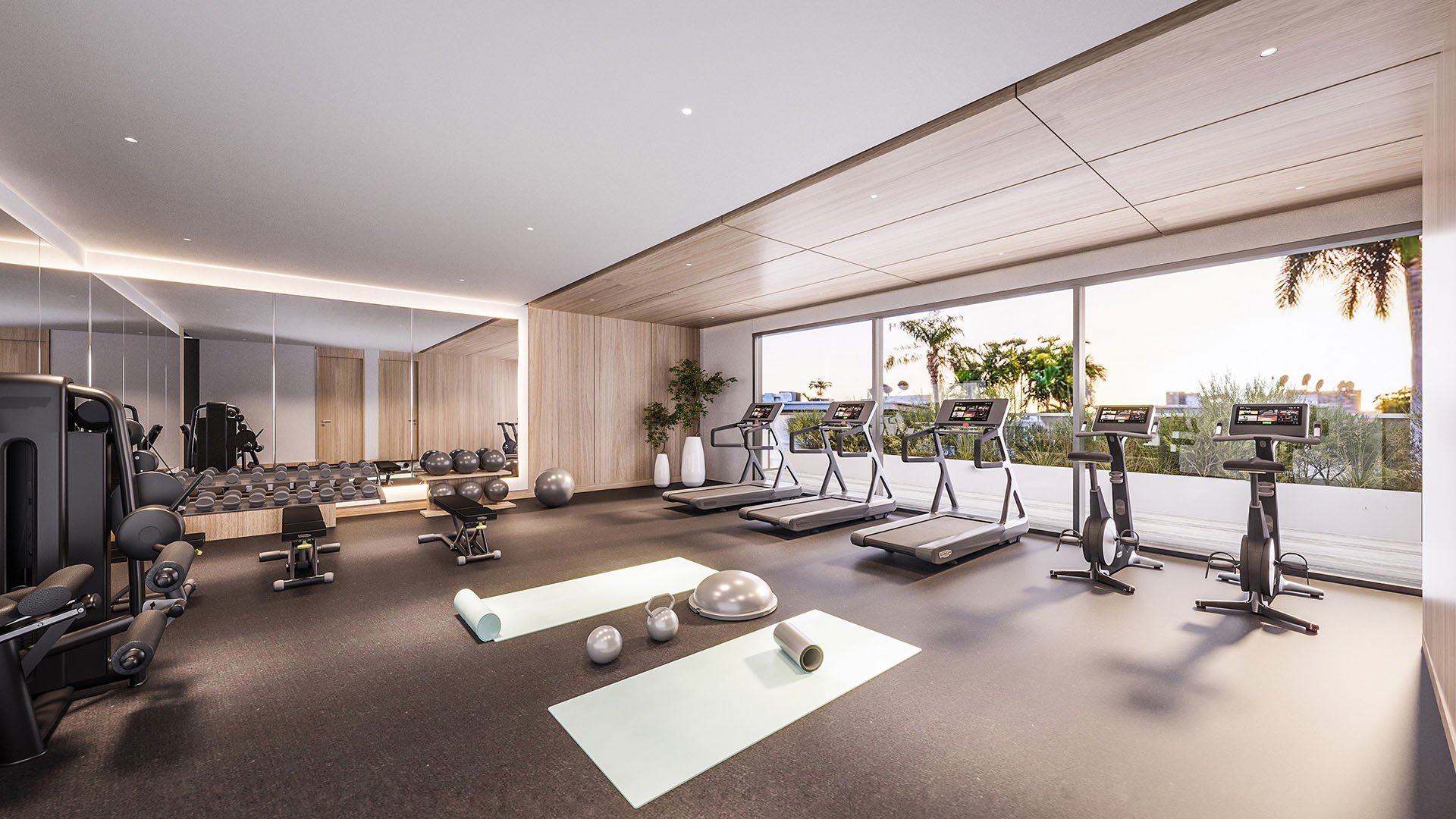
Buyers considering La Baia North Bay Harbor Islands should distinguish between an amenity description and the rules governing everyday use. The practical value of a wellness feature depends on availability, eligibility, scheduling, fees, and enforcement.
Request the controlling documents and written operating details before treating any proposed feature as assured. Marketing can describe an intended experience, but it does not by itself establish access rights, operating hours, reservation priority, or future rule stability.
The same review can help buyers make disciplined comparisons with The Well Bay Harbor Islands and Onda Bay Harbor. Compare documented operating terms rather than amenity names alone.
For each pool, spa, fitness, treatment, relaxation, or social area referenced in current materials, ask for the applicable occupancy limit and the source of that limit. Also determine whether capacity is measured for the entire space or separately for individual zones.
Ask how access is managed when demand exceeds availability. Relevant questions include whether entry is first come, whether sessions are timed, whether a waitlist is used, and whether residents receive priority over visitors.
Age designations also require precision. If materials identify adult, family, or children’s areas, request written age thresholds, supervision requirements, and enforcement procedures. A label does not establish how a space will operate in practice.
Determine which facilities require reservations and which remain open without advance booking. For reservable spaces, review the booking window, the number of active reservations allowed per residence, session duration, waitlist procedure, cancellation deadline, and any no-show charge.
Peak periods deserve separate attention. Ask whether weekends, holidays, private events, or maintenance closures alter normal access and whether any residences or user categories receive priority.
If an app, concierge, manager, or third-party operator will handle reservations, confirm who resolves booking disputes and access failures. Buyers should also learn whether alternative booking methods will be available when a digital system is unavailable.
Guest privileges can affect both convenience and crowding. Request written provisions addressing advance registration, per-residence limits, owner accompaniment, minors, overnight visitors, household staff, trainers, and other service providers.
Determine whether visitor access applies throughout the property or separately to each facility. Also ask whether guest eligibility, limits, or charges change during high-demand periods.
Any cabana, treatment room, office, lounge, dining area, or event space referenced in project materials should receive the same review. Confirm whether it is common-use, assigned, separately licensed, fee-based, or subject to reservation and cleaning terms rather than assuming availability from a rendering or description.
Operating rules are useful only when responsibility is clear. Ask who monitors access, addresses rule violations, handles after-hours issues, and communicates closures or schedule changes.
Request a complete schedule of charges associated with amenities, guests, classes, private sessions, reservations, cancellations, cleaning, damage, and outside providers. Confirm which amounts are fixed in current documents and which may be changed later.
Buyers comparing La Maré Bay Harbor Islands can use the same framework: identify the promised feature, locate the controlling provision, and test how the rule would affect ordinary use.
If project materials reference docks, slips, launches, storage, water-sports equipment, or waterfront pick-up areas, verify exactly who may use each feature. Ask about reservations, operating hours, supervision, waivers, weather restrictions, equipment availability, storage rights, guest use, and any separate charges.
Ownership, assignment, license, and common-use access are materially different arrangements. Buyers should identify the legal basis for access rather than infer a right from general waterfront marketing.
The same distinction is useful when reviewing Origin Bay Harbor Islands or another South Florida waterfront condominium.
Ask for the current purchase documents, draft or adopted condominium rules, amenity policies, reservation terms, disclosure materials, and fee schedules applicable to the transaction. Counsel can help identify which provisions are binding, which remain subject to change, and what approval process governs future revisions.
A practical review matrix should list every referenced amenity with its capacity, hours, eligible users, visitor limit, booking method, reservation window, fees, cancellation terms, staffing, and enforcement contact. Unavailable information should be marked as unconfirmed rather than filled with assumptions.
Why is amenity capacity important? Capacity affects whether a space can accommodate demand and how access may be managed during busy periods.
Which capacity details should a buyer request? Ask for written occupancy limits, the source of each limit, and whether separate zones have distinct restrictions.
What booking terms deserve review? Review reservation windows, session lengths, waitlists, cancellation deadlines, no-show charges, and limits per residence.
How should buyers evaluate peak-period access? Ask whether weekends, holidays, events, or maintenance periods change normal eligibility or booking priority.
What should guest rules address? Written rules should cover registration, accompaniment, visitor limits, minors, service providers, charges, and restricted periods.
Why do age-designated areas require clarification? Buyers need written age thresholds, supervision standards, and enforcement procedures to understand how each area may operate.
What should be verified about amenity fees? Request charges for reservations, guests, classes, cancellations, cleaning, damage, and outside providers, along with the authority to revise them.
Who should manage amenity disputes? The documents or operating policies should identify who controls access, resolves reservation issues, and responds after hours.
How should waterfront features be reviewed? Confirm eligibility, the legal basis for access, scheduling, storage, waivers, weather procedures, visitor use, and separate costs.
Can amenity rules change after purchase? Buyers should review the governing documents and obtain legal guidance on amendment authority, required approvals, and notice procedures.
When you're ready to tour or underwrite the options, connect with MILLION.
If branded residences are on your mind — as a home or as an allocation — we would be glad to share what we are seeing, privately.
Begin a quiet conversation