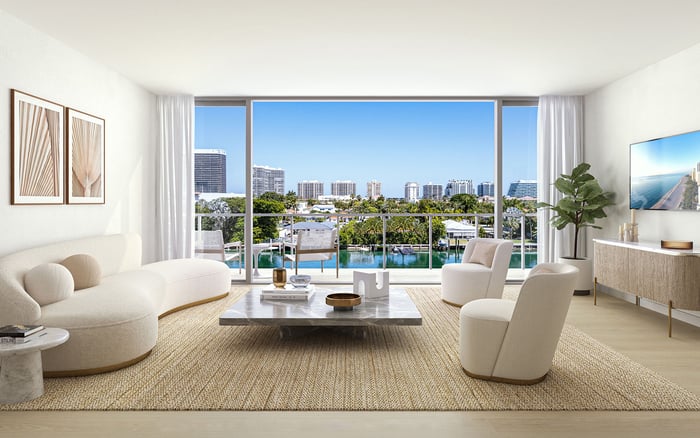
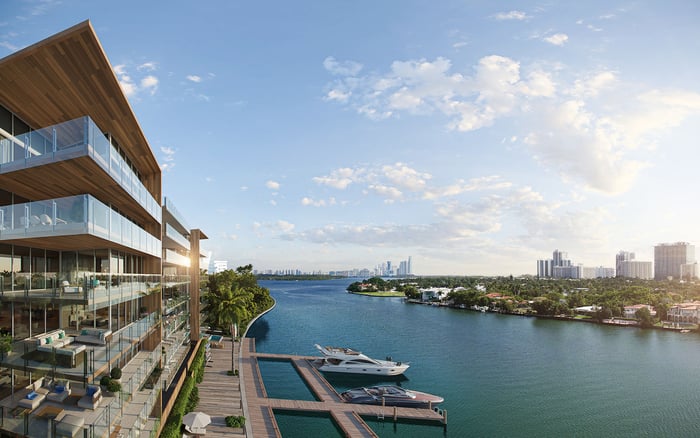
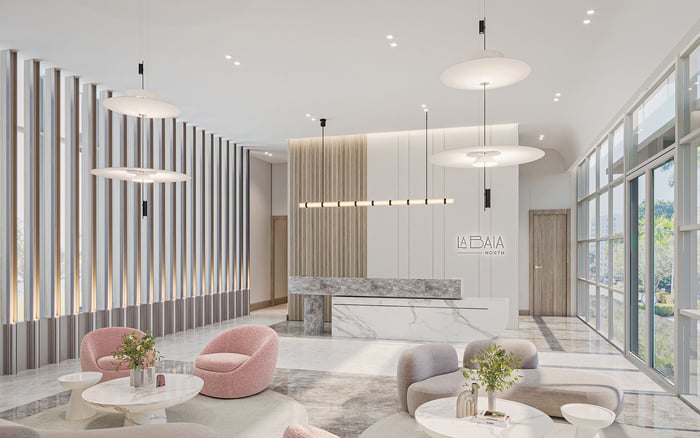
La Baia North’s waterfront lifestyle offering is distinct from the technical evidence buyers need for indoor environmental quality. A disciplined review of specifications, installation records, testing, and maintenance responsibilities can separate advertised wellness from verifiable ownership value.
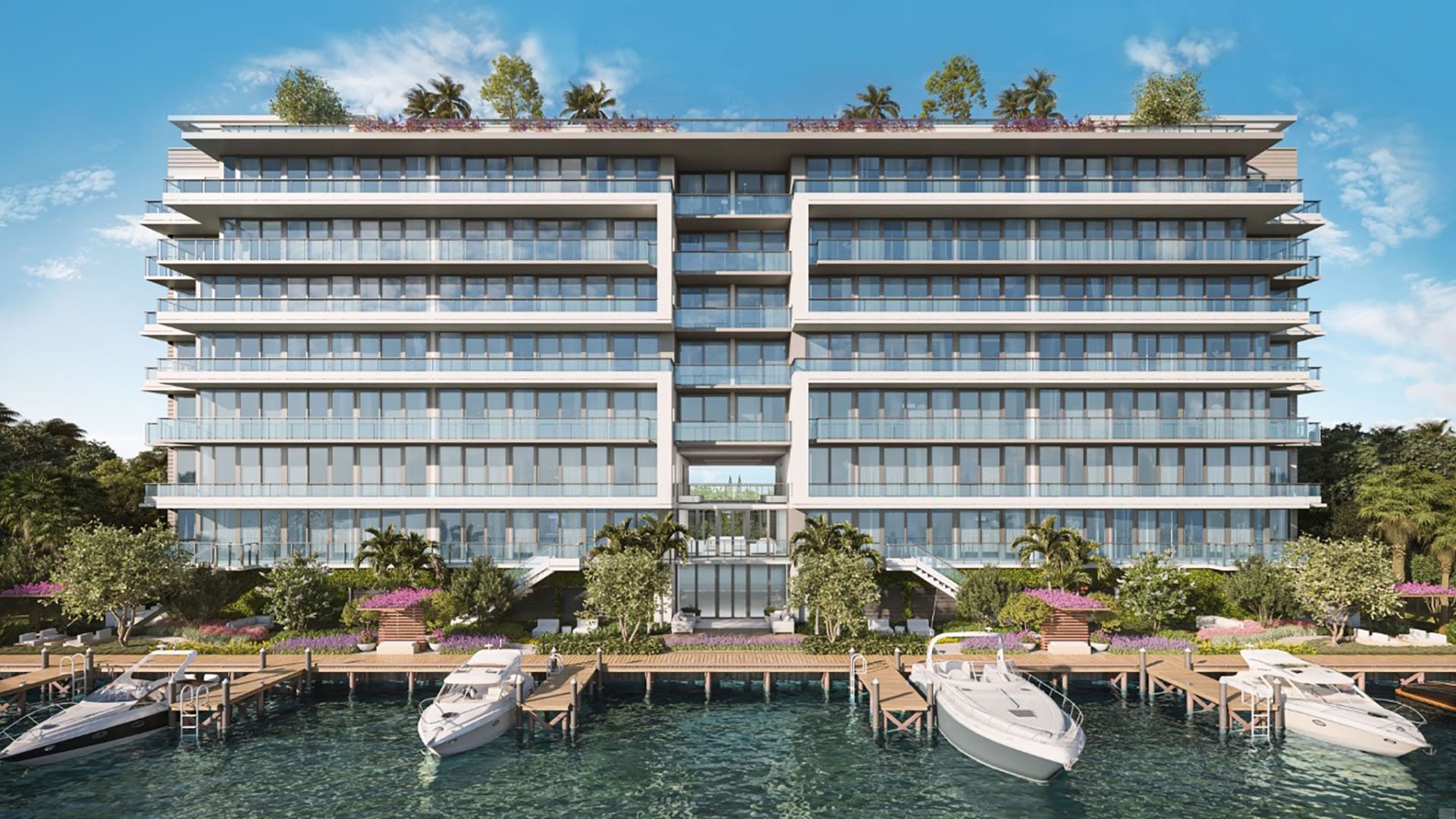
At La Baia North Bay Harbor Islands, the ownership proposition begins with an intimate waterfront setting and a hospitality-first approach. The eight-story condominium at 9481 East Bay Harbor Drive is being developed by Continuum Company with two- to four-bedroom residences. Its design team includes architect Luis Revuelta, Durukan Design for interiors, and C. Wright Studios for landscape and pool design.
Announced private terraces, dedicated home-office areas, and private boat slips describe how an owner might live. They do not establish what that owner will breathe, drink, or experience through the lighting system. Detailed air-filter ratings, potable-water treatment specifications, and circadian-lighting controls remain unverified in the available project information. That does not mean these features are absent.
For a discerning buyer, the distinction is straightforward: amenities describe the lifestyle; technical documentation should establish the systems that support it.
Begin by testing every environmental claim against four questions: What is promised? What equipment is specified? What will confirm installation and operation? Who will maintain it after handover?
Request answers specific to La Baia North and, where relevant, the residence under consideration. Generic La Baia material should not substitute for North-specific documentation. Nor should a common-area feature be assumed to extend into every home.
A useful buyer file pairs each representation with its equipment schedule, scope of coverage, installation status, and maintenance responsibility. Where documents describe future delivery, ask what evidence will become available and when it can be reviewed. Have counsel consider how the purchase documents address material representations and permitted substitutions.
The objective is not a larger brochure. It is a clear connection between the purchase decision and the delivered residence.
For air-quality diligence, request mechanical schedules for both residences and common areas. Ask for filter ratings, specified equipment, outdoor-air design rates, and dehumidification details. Keep these requests distinct: an answer about filtration should not leave ventilation or humidity control unresolved.
The review should also establish which equipment serves the bedrooms and home office, where filters are accessed, and who is responsible for replacement. Request finish specifications alongside mechanical information, including any documented claims about paints, adhesives, cabinetry, and other interior materials.
Consider engaging an independent indoor-environmental specialist to propose testing for particles, volatile organic compounds, carbon dioxide, humidity, and temperature. Ask the specialist to define test conditions, locations, timing, and interpretation. An isolated reading should not be treated as a blanket endorsement.
If inspection precedes full operation, distinguish design review from operational testing. The buyer’s file should clearly record what has been checked and what still requires confirmation.
“Water filtration” alone is not a sufficiently detailed purchase specification. Request treatment equipment descriptions and clarify whether the proposed system is building-level, in-unit, or limited to selected fixtures. Confirm whether equipment is included or optional.
Request the equipment’s stated treatment purpose, applicable supporting documentation, service requirements, and replacement schedule. Ask which taps would receive treated water and which would not. The answer should describe the actual residence-not simply an amenity or a potential upgrade.
Independent tap-water testing is another diligence option. Have a qualified professional recommend sampling locations and test scope, taking the proposed treatment system and buyer’s concerns into account. Request a written interpretation rather than drawing conclusions from a single unexplained result.
Keep pool and spa water in a separate review. La Baia North’s announced heated soaking spas warrant questions about maintenance protocols, but recreational-water operations do not establish potable-water treatment inside a residence.
The available descriptions do not establish a circadian-control system at La Baia North. Buyers should begin with a request for clarification, not an assumption about equipment or health benefits.
If circadian lighting is represented during the sales process, request a written definition of the claim. Ask for the fixtures, controls, rooms covered, and intended operating settings to be identified. Establish what supporting design documentation and performance evidence will be provided, and have an independent lighting specialist assess whether that evidence supports the representation.
These are starting questions, not a complete circadian-performance verification protocol. A specialist should define any appropriate assessment before the buyer relies on the claim.
Keep the distinctions precise. Diffused lighting, UV-protective glazing, and red-light therapy are not interchangeable with circadian lighting. A beautifully illuminated interior can be desirable without establishing any particular circadian performance.
The Well Bay Harbor Islands offers a useful comparison through the specificity of its announced features: HEPA air filtration, water filtration systems, low-VOC paints, and UV light-protectant windows. Those advertised features suggest concrete questions to ask elsewhere. They are neither evidence of La Baia North’s equipment nor independent confirmation of THE WELL’s installation, performance, or certification.
THE WELL’s announced diffused lighting calls for the same precision. That description does not establish a circadian-control system or measured circadian performance.
For a buyer also considering Bay Harbor Towers, the comparison should use the same document requests without presuming equivalent systems. Whether the broader search includes Bal Harbour or remains focused on Bay Harbor Islands, a consistent evidence standard makes differing representations easier to evaluate.
La Baia North’s amenity offering includes an approximately 9,700-square-foot rooftop deck described as having adult and family zones, alongside announced green space and waterfront recreation. These features belong in the lifestyle assessment. Environmental systems belong in a parallel operating assessment.
Ask who will own, service, and pay for each relevant component: the association, the individual owner, or a contracted provider. Request available maintenance plans, warranty information, and proposed service arrangements. Where costs are not established, seek clarification rather than assuming hospitality services include technical upkeep.
Before committing, sort unresolved items into three categories: specifications awaiting confirmation, installation evidence awaiting delivery, and operational testing still to be arranged. Have the appropriate professionals review each category, including counsel where contractual commitments matter.
The strongest ownership decision need not discount the pleasures of a waterfront residence. It should place equal value on what is visible and what can be documented, tested, and maintained.
For a considered approach to South Florida luxury ownership, explore MILLION.
If branded residences are on your mind — as a home or as an allocation — we would be glad to share what we are seeing, privately.
Begin a quiet conversationLa Baia North’s address is 9481 East Bay Harbor Drive, Bay Harbor Islands, Florida 33154.
Continuum Company is developing La Baia North with a hospitality-first positioning centered on residential services and lifestyle amenities.
Detailed air-filter ratings remain unverified in the available project information. Buyers should request residence-specific and common-area mechanical schedules rather than assume equipment is present or absent.
Request filter ratings, outdoor-air design rates, dehumidification details, equipment schedules, and finish specifications. An independent specialist can recommend appropriate operational testing.
The available descriptions do not establish detailed potable-water treatment specifications. Ask whether any proposed treatment is building-level or in-unit, which fixtures it serves, and whether it is included.
Consider independent tap-water testing with sampling locations and test scope recommended by a qualified professional. Review the results alongside the proposed treatment equipment and maintenance requirements.
A circadian-control system is not established by the available descriptions. If such a feature is represented, request a written definition, equipment details, and supporting evidence for specialist review.
No. Diffused lighting should not be treated as interchangeable with circadian lighting, and THE WELL’s announced diffused lighting does not establish measured circadian performance.
THE WELL’s announced HEPA air filtration and water filtration provide more specific advertised features against which to frame questions. They do not prove either project’s installed performance or La Baia North’s equipment.
Ask who owns, services, and pays for relevant equipment, including filter replacement and treatment-system upkeep. Request available maintenance plans, warranties, and service arrangements before relying on ongoing performance.