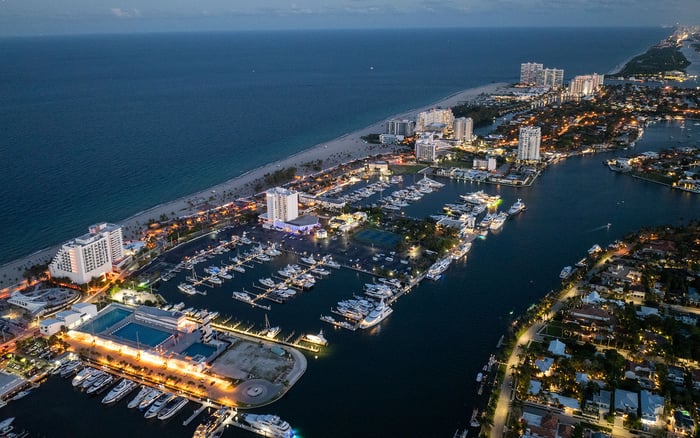
For seasonal owners attending the Fort Lauderdale International Boat Show, a deliberate arrival plan can help coordinate privacy, driver staging, transfers, and peak-traffic access. Current routes, pickup points, parking, and valet arrangements should be confirmed before departure.
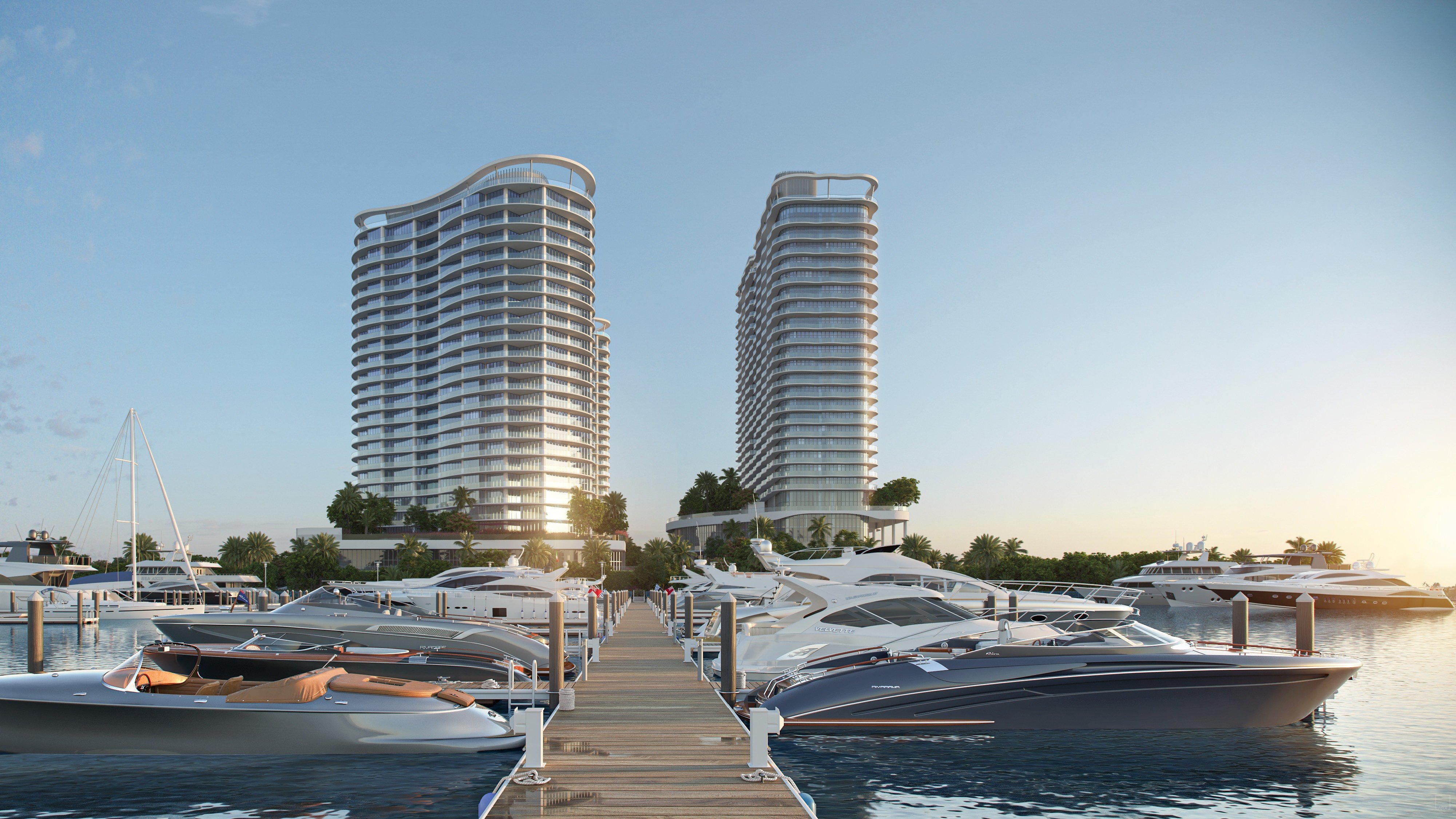
For seasonal owners attending the Fort Lauderdale International Boat Show, the trip from residence to waterfront deserves the same attention as the day’s appointments. The objective is not simply to choose the shortest route, but to coordinate the driver, passengers, transfer point, and return plan before departure.
Current operating details should guide every decision. Confirm official access instructions, parking and valet arrangements, permitted pickup areas, and any available shuttle or water connections close to the attendance date.
A staged arrival can divide the trip into manageable segments. The driver can use a lawful, confirmed waiting location while passengers complete the final approach through an available transfer option. This may limit unnecessary curbside waiting, but it does not guarantee privacy or faster access.
The household itinerary should identify the exact handoff point, the name of the destination, and a collection window. A written location is more dependable than an informal description, particularly when drivers and passengers approach from different directions.
Driver staging should never depend on an assumed waiting area. Before leaving, confirm that the selected location permits the intended stop or wait and that the driver understands any access restrictions communicated by the venue, hotel, marina, or parking operator.
A useful return plan includes a designated pickup point and a backup nearby location. The driver and principal passenger should also agree on how changes will be communicated if traffic or access controls affect the original plan.
Arrival privacy is primarily an operational matter. Keep tickets, transfer instructions, and destination details organized before reaching the waterfront. Minimize curbside discussions, avoid changing meeting points without notifying the full party, and ensure that each guest knows whom to contact.
Household staff can maintain the complete itinerary while guests retain only the information needed for their segment. This keeps the plan orderly without relying on an unconfirmed private entrance, dedicated lane, or special staging program.
Residents of St. Regis® Residences Bahia Mar Fort Lauderdale, Four Seasons Hotel & Private Residences Fort Lauderdale, and The Ritz-Carlton Residences® Fort Lauderdale can evaluate show-day access from Fort Lauderdale Beach against current traffic and venue instructions rather than relying on distance alone.
From Sixth & Rio Fort Lauderdale, owners can similarly compare a road-based approach with any confirmed alternative transfer option. The preferred strategy depends on current operations, the day’s appointments, and the needs of the household.
The primary plan should specify departure timing, the confirmed arrival point, the driver’s lawful staging location, and the return arrangement. The fallback should be meaningfully different where possible, such as an alternative confirmed transfer mode or pickup location rather than a minor variation of the same congested approach.
Before show day, review the itinerary with the driver and every guest. Recheck official instructions close to departure, because access arrangements can change. Do not rely on parking, valet, shuttle, or water-transfer details from a previous edition without current confirmation.
Why should seasonal owners plan the arrival in advance? Advance planning helps coordinate passengers, drivers, transfer points, and return arrangements before reaching a busy waterfront area.
What should the primary itinerary include? It should identify departure timing, the confirmed destination, the transfer method, the driver’s staging location, and the return point.
Should a driver wait at the show entrance? Only if waiting is permitted and the location has been confirmed. An assumed curbside staging area should not be part of the plan.
How can owners support a more discreet arrival? They can organize tickets and instructions beforehand, use precise meeting points, and minimize unnecessary curbside waiting.
Does a staged transfer guarantee privacy? No. It can make the arrival more orderly, but it cannot guarantee privacy or uninterrupted access.
Should households consider a water approach? They may compare it with road access when a current, confirmed water-transfer option serves the intended destination.
What makes a useful backup route? A useful fallback changes the transfer method or confirmed pickup point where possible instead of merely choosing a nearby street.
How should pickup details be shared? The driver and passengers should receive the same written location, collection window, and contact procedure.
Can prior-year parking or valet details be reused? They should not be treated as current without confirmation from the relevant operator or official event guidance.
When should access details be checked? Review them while planning and confirm them again close to departure so the itinerary reflects current conditions.
To compare the best-fit options with clarity, connect with MILLION.
If branded residences are on your mind — as a home or as an allocation — we would be glad to share what we are seeing, privately.
Begin a quiet conversation