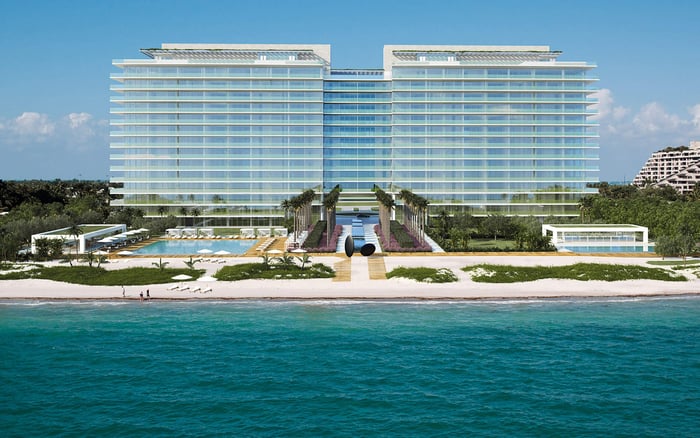
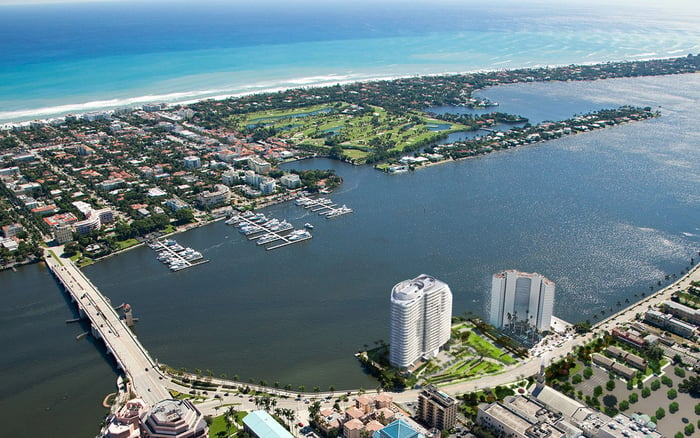
At Oceana Key Biscayne, a thoughtful beach walk is a buyer’s practical test of access, comfort and daily ease. Here is what to observe, what to confirm with management and how to keep Crandon Park’s public amenities in perspective.
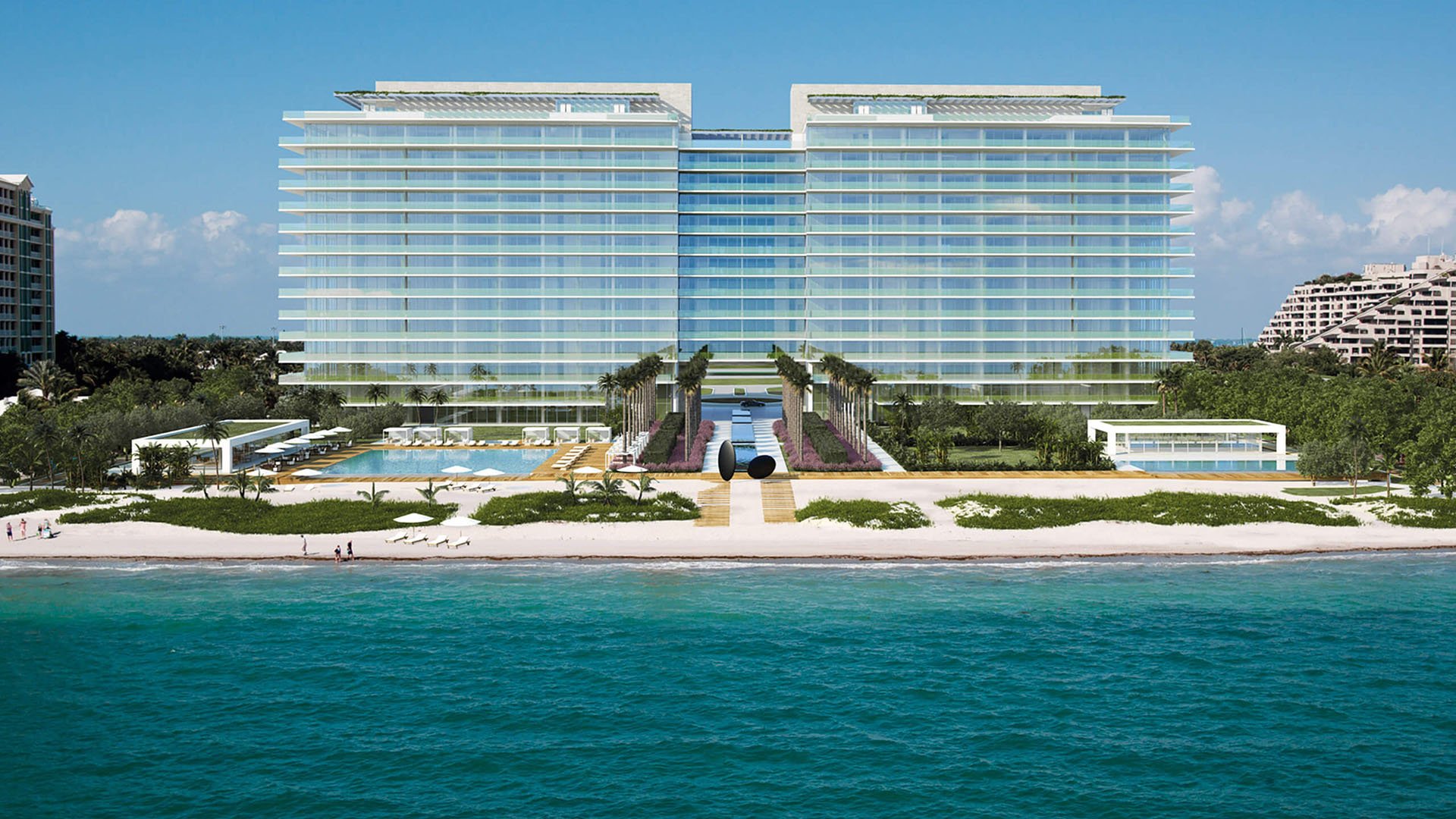
A beach residence promises something more intimate than an ocean outlook: the possibility of making the shoreline part of an ordinary day. For a buyer considering Oceana Key Biscayne, the most revealing inspection extends beyond the apartment. It is the journey from the residence to the sand, at the pace and with the belongings that would shape daily life.
Oceana Key Biscayne is at 350 Ocean Drive, Key Biscayne, FL 33149. Use that address as the starting point for an on-site appointment, not as a substitute for understanding access. Ask management to identify the appropriate beach entrance and demonstrate the route available to the residence you are considering. A beautiful destination and an effortless daily routine are related, but they are not the same thing.
Begin with permissions. Ask which entrance residents may use, whether access hours apply and how guests are accommodated. Establish whether the route involves resident-only access, a public access point or another arrangement. These categories are not interchangeable simply because they lead toward the same shoreline.
Have management explain any keys, credentials or procedures required along the way. Request written clarification of the access arrangement before making it part of your purchase assumptions. The objective is not to turn a pleasurable walk into an administrative exercise, but to understand what keeps it uncomplicated.
Only then time the journey yourself. Start at the residence, not at whichever exterior point makes the distance look shortest. Account for waiting, doors and transitions wherever they occur. A useful measure captures the full trip you would make, not merely the stretch between a building exit and the sand.
On the outward walk, pay attention to exposure. Where is there shade, and where would you be in direct sun? Does the surface feel comfortable and secure in your usual footwear? Look for changes in level, narrow passages or other features that might matter when carrying belongings. These are observations to make on site, not assumptions about Oceana’s route.
Assess any crossings and shared spaces you encounter. Notice bicycle traffic, pedestrian movement and the ease of pausing without obstructing others. If a stroller or mobility aid is part of your household routine, test the journey with it rather than relying on a visual impression of accessibility.
Apply the same discipline to a wider search that includes 57 Ocean Miami Beach. Ask the same questions at each property without assuming equivalent routes or access rights. A consistent inspection is more useful than comparing descriptions of proximity.
The outward journey carries anticipation; the return reveals practical effort. Repeat it carrying the towels, bag or beach equipment you expect to use. Consider how the route feels after time outdoors, particularly when someone in the household is tired or needs to return before everyone else.
Ask where sandy or wet belongings should go on re-entry and whether any procedures affect the return. Do not presume that a particular rinse area, storage arrangement or service exists. Have management show you what is available and explain how residents are expected to use it.
This is where convenience becomes personal. One household may value a quick solo swim; another may need a manageable outing with children and equipment. Neither preference is more sophisticated. The better residence is the one whose practical arrangements support the beach habits you genuinely want to maintain.
A single appointment offers a snapshot. Compare a weekday morning, a late afternoon and a weekend visit before drawing conclusions about daily comfort. Keep the starting point and destination consistent so that differences in exposure, activity or ease are not confused with differences in the route itself.
Record impressions in plain terms: comfortable shade, awkward transition, easy return or a procedure that needs clarification. Avoid turning one pleasant outing into a claim about every season or every hour. The goal is a realistic picture of use, not a perfect afternoon.
If Oceana Bal Harbour is also on your shortlist, repeat the exercise independently there. Shared branding is no substitute for property-specific answers about entrances, permissions or the experience between home and shoreline.
Crandon Park is a Miami-Dade County public park on Key Biscayne, distinct from any residence-specific beach access. Its beach lies on the island’s Atlantic side and extends approximately two miles. Consider it a separate setting for a longer shoreline outing, not Oceana’s beach or the necessary destination of a residence-to-sand walk.
That distinction also applies to amenities. Crandon offers picnic areas, grills and cabana rentals, along with a children’s play area and a historic carousel. Those features belong in an assessment of the public park, not in a description of what a resident receives through the property.
An offshore sandbar helps create generally shallow, calmer water at Crandon, but wind and tides affect conditions. Lifeguard coverage is provided in designated swimming areas, and posted beach-warning flags should be checked before entering the water. A calm appearance is not a substitute for checking current conditions.
Parking at Crandon is paid. Mainland visitors also reach Key Biscayne via the tolled Rickenbacker Causeway. Keep both considerations separate from the on-island pedestrian experience: arriving for a visit, driving to a public park and walking from home to the beach are different journeys.
For a second-home buyer, imagine an ordinary stay rather than an exceptional holiday. Would the walk invite a brief visit to the water, or would you reserve it for a planned outing? Could members of the household comfortably return at different times? Which details require confirmation before the routine feels dependable?
Waterfront living is most persuasive when the small transitions work as well as the view. Before deciding, leave with three things: a route you have walked in both directions, a clear understanding of access rights and an honest account of how the journey suits your household. That is a more durable basis for choosing a residence than an appealing distance alone.
For a considered approach to your next coastal residence, explore with MILLION.
If branded residences are on your mind — as a home or as an allocation — we would be glad to share what we are seeing, privately.
Begin a quiet conversationOceana Key Biscayne is listed at 350 Ocean Drive, Key Biscayne, FL 33149.
Walk the management-confirmed route from the actual residence, including any waiting and transitions. Time the full journey rather than only the outdoor segment.
Confirm the appropriate entrance, access rights, opening hours and guest permissions. Ask about any credentials or procedures required.
Crandon Park is a separate Miami-Dade County public park. It should not be treated as Oceana’s beach or its necessary walking destination.
Assess shade, surfaces, changes in level, crossings and any bicycle traffic. Test the journey with a stroller or mobility aid if relevant to your household.
It reveals how the route feels after time outdoors while carrying beach equipment. It also provides an opportunity to clarify procedures for re-entering with wet or sandy belongings.
Compare a weekday morning, late afternoon and weekend visit. Keep the route consistent to make your observations more useful.
Crandon Park’s beach extends approximately two miles along the Atlantic side of Key Biscayne.
No. Wind and tides affect conditions, so check posted beach-warning flags and recognize that lifeguard coverage applies to designated swimming areas.
No. Paid parking at Crandon and the tolled Rickenbacker Causeway are separate considerations for park visits and mainland arrivals.