A considered Palm Beach second-home strategy complements a Hamptons residence through distinct seasonal roles, climate-responsive interiors and consistent household operations without repeating the same rooms.
For a household with a Hamptons residence, the Palm Beach purchase need not reproduce a favorite house in a different climate. The more useful question is what the Florida home should add: a winter-to-spring retreat with its own pace, proportions and priorities.
One useful framework positions Palm Beach as the more intimate residence, complementing a larger summer gathering house. That is a planning recommendation, not a rule. A household that entertains extensively in Florida may prefer the reverse. The objective is to allocate space according to actual use, rather than ask both properties to accommodate every possible occasion.
Before comparing Palm Beach floor plans, write a separate brief: who stays, for how long, where meals happen and how often work interrupts leisure. Two homes should share standards of comfort, not necessarily the same room schedule.
Map a representative year before settling on bedroom counts. Separate routine occupancy from holiday peaks, overnight guests from dinner guests, and working visits from genuine time away. Designing for the largest imaginable gathering can leave owners maintaining rooms they rarely enter.
In Palm Beach, decide whether fewer dedicated guest rooms and a better everyday sitting room would serve you better. Consider whether a quiet study could accommodate an occasional visitor without compromising its primary purpose. Resolve that question in the architectural brief, rather than trying to solve it with furniture after the rooms are complete.
Apply the same test to dining. A smaller dining setting and a comfortable shaded place for lunch may be more useful than repeating the formal entertaining arrangements of another home. Neither choice should be automatic.
A second residence does not need a duplicate inventory of every possession. Plan storage around what the household will actually use in Palm Beach, while keeping everyday essentials available on arrival.
Ask where outdoor equipment, guest linens and occasional-use dining pieces will live. Organized storage and easy-clean surfaces can help keep these items out of the principal rooms. The point is not to reduce comfort, but to avoid acquiring furniture and equipment simply because the other house has them.
Guest flexibility also deserves a practical test. If a study doubles as accommodation, consider where work happens while visitors are staying. A room that serves two purposes should support both without disrupting the rest of the residence.
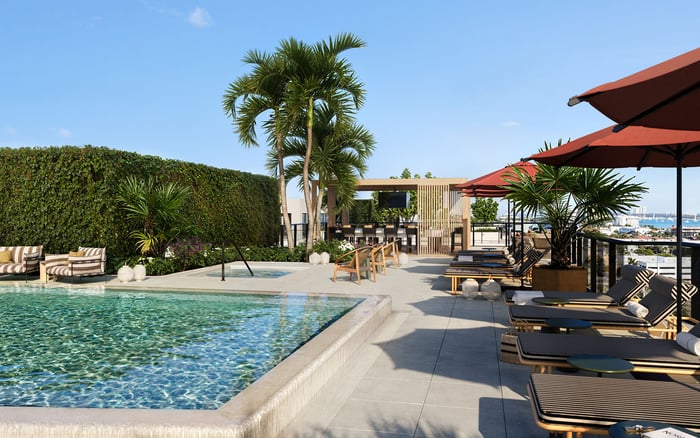
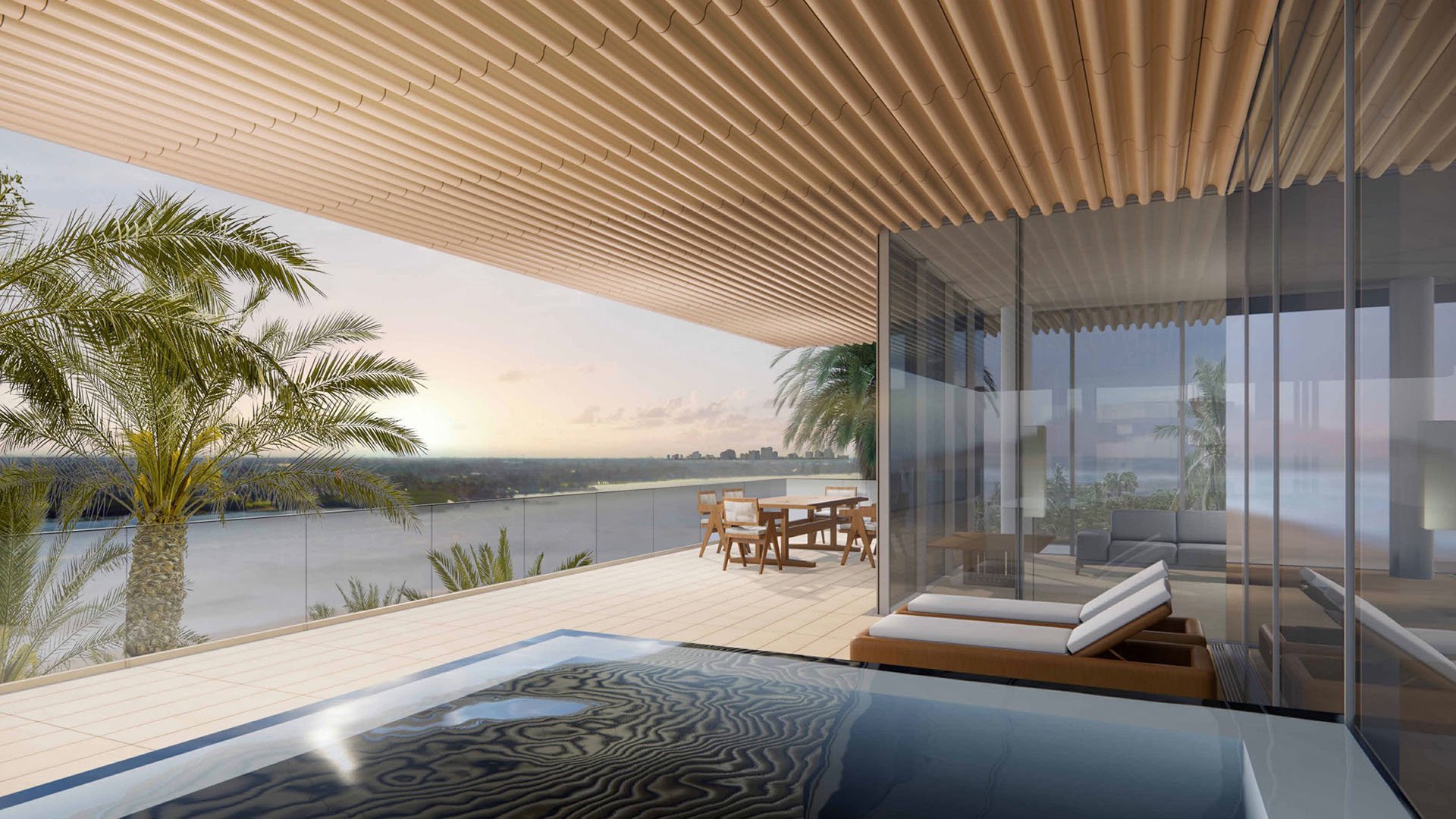
Palm Beach calls for its own interior brief. Strong sunlight and reflected glare favor layered window treatments, including solar shades, sheers and motorized systems where appropriate. Shaded loggias, stone or terrazzo flooring, louvered details and moisture-tolerant finishes offer a climate-responsive vocabulary without prescribing a decorative style.
Salt exposure also warrants careful specifications for hardware, lighting, plumbing fixtures, outdoor furniture and fabrics. Rather than carry identical finishes south, preserve the qualities you value-tactile materials or restrained detailing, for example-through selections suited to the setting.
Treat these choices as part of the initial design conversation, not finishing touches. The Florida residence can feel familiar in its comfort while remaining distinct in its materials, light control and relationship to outdoor space.
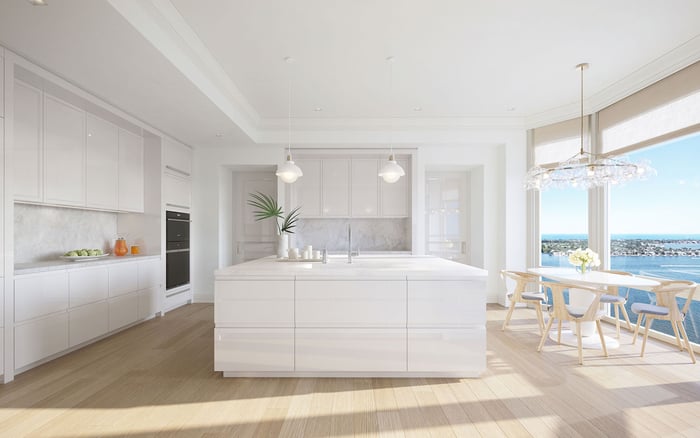
Assess the Florida home against an ordinary occupied week, not just its capacity for a major gathering. Where will you read in the morning? Can two people take calls privately? Is the everyday dining area comfortable when no guests are present? These questions often reveal more than the formal room count.
For an island search that includes Palm Beach Residences, keep that personal brief beside every plan under review. Evaluate the specific residence rather than assume an address will deliver the right balance of privacy, storage and entertaining space.
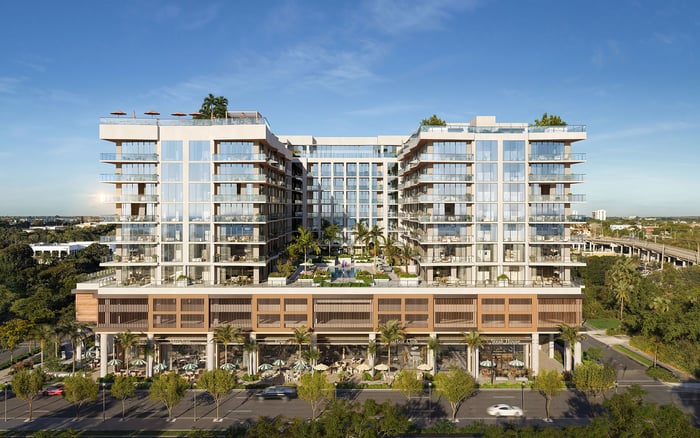
If the search extends to West Palm Beach, carry the same brief into a review of Alba West Palm Beach. Ask which layout complements the northern house, not which most closely resembles it. Verify services and ownership responsibilities separately rather than assume a condominium eliminates operational work.
A compelling view should not delay technical review. In Palm Beach, verify flood-zone status, elevation documentation, applicable finished-floor requirements and mechanical-equipment locations before developing renovation plans. Check whether preservation or design review applies to proposed exterior alterations, demolition or new construction.
Ask qualified advisers to establish which requirements apply to the specific property and proposed work. Flood exposure, insurance, mechanical condition and alteration permissions require property-specific review, however well the home fits the seasonal vision.
Keep this diligence separate from the decorative brief. A layout that appears easy to adapt should not be treated as confirmation that the intended changes are permitted or practical.
The most useful duplication is often invisible. Consider a shared technology platform, consistent household instructions and a coordinated maintenance calendar. Familiar controls and clearly assigned responsibilities can create continuity without repeating furniture, palettes or entertaining spaces.
Palm Beach planning should specifically address air-conditioning, humidity management and remote monitoring during absences. Establish who checks the property, how issues are escalated and what must happen before arrival and after departure.
When considering Mr. C Residences West Palm Beach alongside other Florida options, ask what remains the owner's responsibility and which services are actually available. Keep those answers separate from the appeal of the interiors. An operational plan should rest on confirmed arrangements, not expectations.
Before committing to the Palm Beach residence, compare its proposed spaces with those you already maintain. Which would duplicate a function you seldom use? Which Florida necessities are missing? Retain everyday essentials at both addresses, but allocate specialized equipment, larger entertaining inventories and occasional-use furnishings according to where they belong.
The goal is not minimalism. It is precision: enough space for the Florida season to feel generous, without maintaining two versions of the same life.
Explore a more considered Palm Beach seasonal-home strategy with MILLION.
If branded residences are on your mind — as a home or as an allocation — we would be glad to share what we are seeing, privately.
Begin a quiet conversationNo. A more intimate Florida residence is one planning option, but its size should follow your actual calendar and entertaining habits.
Give it a distinct role, then tailor guest rooms, dining areas, workspaces and storage to its expected use.
Separate routine occupancy from holiday peaks and overnight visitors from dinner guests. Consider flexible accommodation rather than designing every room around occasional maximum occupancy.
Consider it if occasional visitors will not compromise the room's primary purpose. Decide where work will happen while guests are staying.
Layered treatments such as solar shades, sheers and appropriately specified motorized systems can help manage strong sunlight and reflected glare.
Salt exposure makes suitable specifications important for hardware, lighting, plumbing fixtures, outdoor furniture and fabrics.
Air-conditioning, humidity management and remote monitoring deserve explicit attention, with clear responsibility for checks and issue escalation.
Review flood-zone status, elevation documentation, applicable finished-floor requirements and mechanical-equipment locations. Check whether preservation or design review applies to the proposed work.
Ask how each specific layout supports everyday life and complements the other home. Verify available services and remaining owner responsibilities separately.
Consider consistent technology controls, household instructions and maintenance calendars. Interiors and room arrangements can remain distinct.