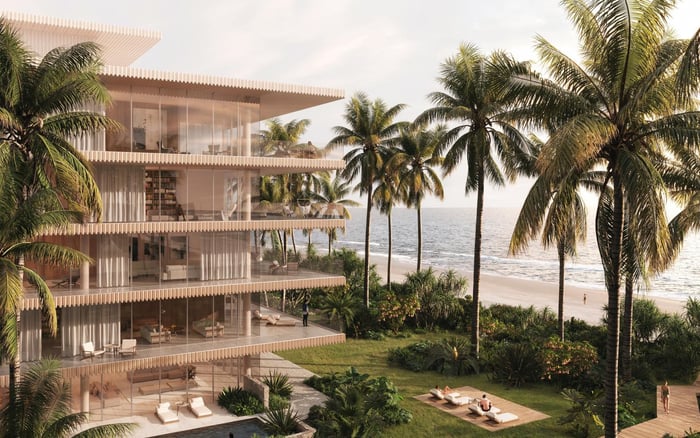
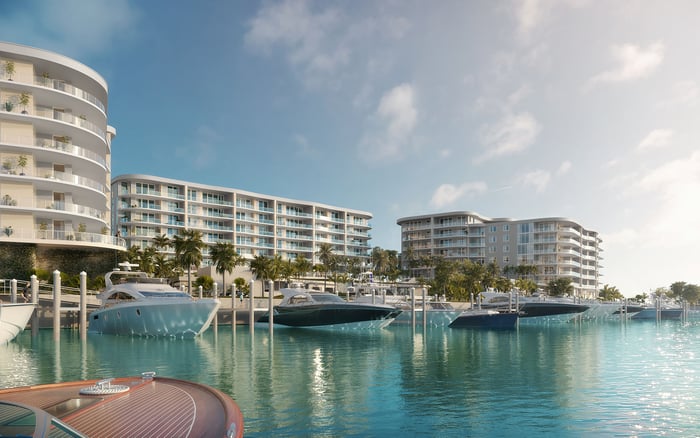
For buyers weighing Palm Beach against West Palm Beach, the real distinction is not distance but rhythm. Palm Beach offers barrier-island privacy, ceremonial social structure, and tightly held prestige. West Palm Beach offers mainland convenience, public waterfront energy, broader housing choice, and easier day-to-day momentum. The right decision comes down to how you want to live, move, entertain, and hold value.
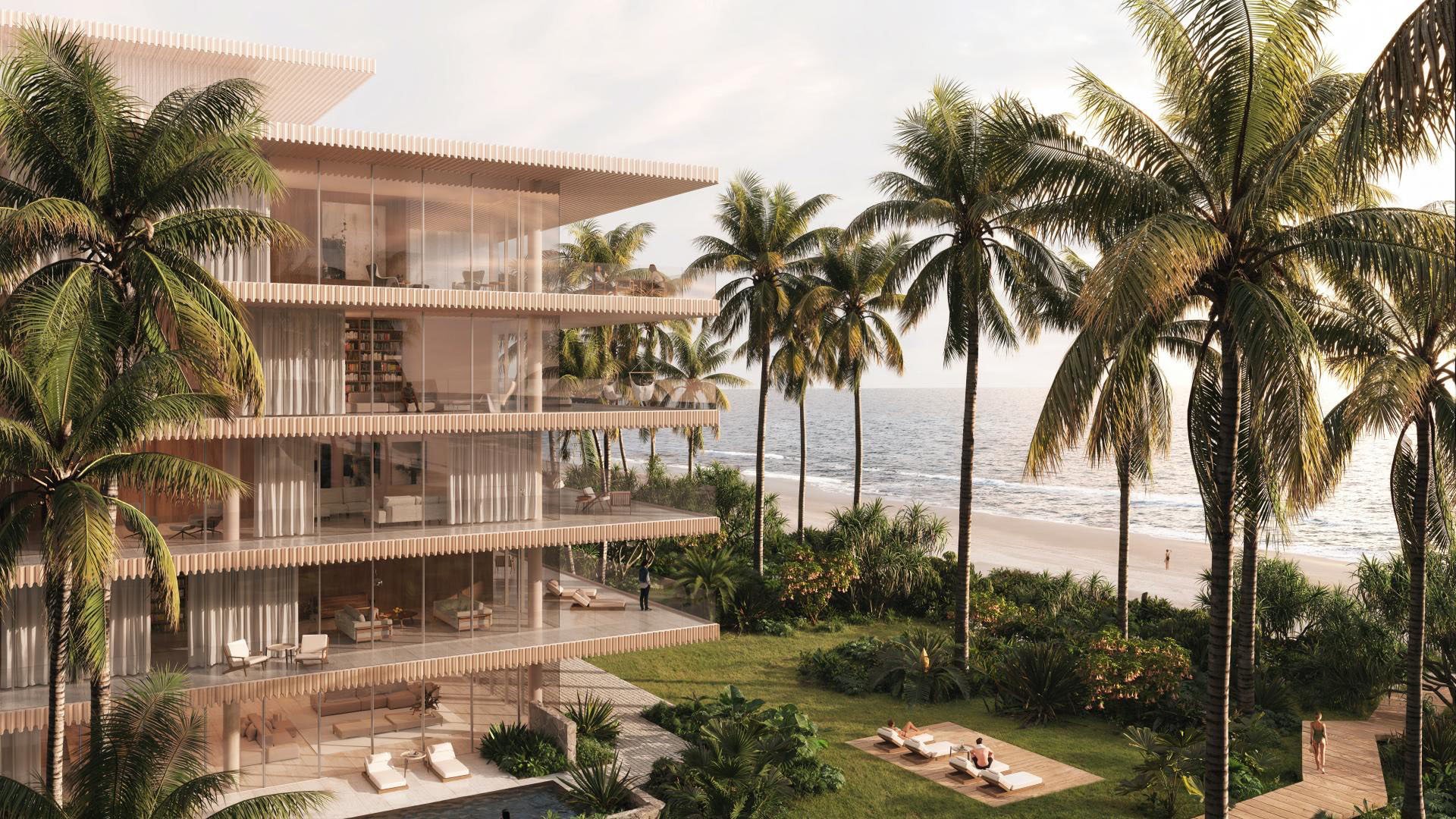
Palm Beach and West Palm Beach sit across the Intracoastal from one another, yet they deliver distinctly different expressions of luxury. Palm Beach is its own town on a barrier island, defined by separation, privacy, and a deliberate social code. West Palm Beach is the larger mainland city and the county’s commercial center, with a more public-facing energy and a daily rhythm shaped by movement, work, dining, and culture.
That is why the comparison is best understood as ceremony versus spontaneity. Palm Beach excels when a buyer wants arrival, ritual, and a setting that communicates discretion through scarcity. West Palm Beach is stronger when the priority is flexibility, urban access, and the freedom to decide at 6 p.m. where the evening will go.
For readers evaluating Palm Beach County, the smartest comparison is not which ZIP code sounds more prestigious. It is which environment most naturally supports the life you already lead, or the one you want to create.
Palm Beach luxury is inseparable from formality. The town’s identity is tied to private clubs, seasonal calendars, legacy ownership, and a commercial environment that remains intentionally edited rather than expansive. That gives daily life a composed quality. Even leisure can feel scheduled, with familiar institutions and established circles shaping the experience.
West Palm Beach is different. Its downtown waterfront, cultural anchors, and active retail districts create a more spontaneous public realm. Plans can stay looser. A waterfront walk can lead to dinner, a cultural stop, or a last-minute gathering without a club calendar organizing the day. For buyers who value civic energy over social enclosure, that distinction matters.
If you want your residence to serve as a backdrop to private ritual, Palm Beach has the stronger identity. If you want your neighborhood to generate options on its own, West Palm Beach usually wins.
Palm Beach tends to be associated with oceanfront and Intracoastal estates, landmark residences, and homes with architectural pedigree. Buyers should compare not only square footage, but also lot scarcity, provenance, and the intangible value of an address that is difficult to replicate. In Palm Beach, the asset often carries as much narrative weight as it does practical utility.
West Palm Beach offers more product variety. Downtown condominiums, mixed-use towers, and established single-family neighborhoods create a broader set of entry points and use cases. That flexibility can appeal to buyers who want a primary residence with lock-and-leave convenience, a second home with easier maintenance, or an investment-minded purchase within an evolving urban core.
This is where certain new-generation residences in West Palm Beach clarify the appeal. A buyer considering a waterfront condominium lifestyle may naturally compare options such as Alba West Palm Beach, Forté on Flagler West Palm Beach, or Shorecrest Flagler Drive West Palm Beach against the more ceremonious scarcity often associated with Palm Beach holdings.
A subtle but important difference between the two markets is commercial texture. Palm Beach is highly curated. Its shopping and dining environment supports a polished, selective lifestyle, but not one built around abundance or last-minute utility. That is a feature, not a flaw, for buyers who want insulation from urban excess.
West Palm Beach offers more everyday optionality. Downtown districts and the waterfront are shaped around public activity, restaurant variety, and easier improvisation. If your ideal luxury life includes stepping out without much planning, being near meetings, galleries, performances, or dinner reservations that shift with the mood of the day, the mainland city has the more natural cadence.
This makes West Palm Beach especially persuasive for buyers who want a residence integrated into a full week, not just a polished season. Properties such as Mr. C Residences West Palm Beach and The Ritz-Carlton Residences® West Palm Beach speak to that downtown-adjacent proposition: refined ownership with immediate access to the city’s evolving social and cultural infrastructure.
Buyers often underestimate how much lifestyle is determined by movement. West Palm Beach has the advantage in regional mobility and urban circulation. Rail connectivity and a more pedestrian-oriented downtown pattern support a lifestyle that can extend easily to other South Florida markets. For owners balancing business, social commitments, and frequent intercity movement, this convenience compounds over time.
Palm Beach remains highly accessible, but the experience is more car-oriented and intentionally segmented. That suits the buyer who does not need constant urban friction. If most days are meant to begin and end within a private residential and club ecosystem, Palm Beach feels coherent. If your calendar regularly stretches beyond one enclave, West Palm Beach asks less of your time and logistics.
Both markets benefit from Florida’s lack of state income tax, so the real distinction is not tax treatment. It is what role the property will play in your balance sheet and in your life.
Palm Beach generally aligns with wealth preservation, prestige, and long-horizon scarcity. Supply is constrained, barriers to entry are high, and ownership often carries strong signaling value. Buyers who prioritize privacy, tightly held addresses, and legacy appeal will usually see that premium as part of the point.
West Palm Beach tends to offer a lower luxury entry point within the same county, along with more new inventory and a wider mix of property types. That can make it attractive for buyers seeking diversification, a more contemporary building profile, or a residence that can serve multiple purposes over time.
If rental flexibility is part of the equation, West Palm Beach is often the more practical side of the Intracoastal. Its condo stock, urban visitor pattern, and broader residential mix are generally more compatible with long-term rentals and, in some cases, a more dynamic rent strategy than Palm Beach’s estate-and-club culture. For some owners, that alone becomes decisive from an investment perspective.
The cleanest way to decide is to picture an ordinary Tuesday rather than a perfect weekend. In Palm Beach, luxury is often about protection from noise, excess, and unpredictability. In West Palm Beach, luxury is more often about access: to the waterfront, to culture, to business, to dining, and to an unscripted city day that can still feel polished.
Choose Palm Beach if you want privacy to be the central amenity, if social signaling matters, and if you are drawn to legacy environments where scarcity is visible in every street and shoreline parcel.
Choose West Palm Beach if you want your residence to support spontaneity, walkability, and a broader spectrum of use. It is especially compelling for buyers who value newer housing, public waterfront life, and the option to move between home, office, culture, and dinner with very little friction.
For many affluent buyers, the question is not which market is better. It is whether luxury should feel ceremonial or alive.
Is Palm Beach more private than West Palm Beach? Yes. Palm Beach is generally the more private and socially insulated choice, while West Palm Beach is more public-facing and urban.
Is West Palm Beach better for walkability? In most buyer scenarios, yes. Its downtown, waterfront, and mixed-use areas support a more walkable daily routine.
Which market has more housing variety? West Palm Beach does. It offers condos, newer towers, and single-family neighborhoods in a broader mix than Palm Beach.
Which side is better for legacy-style ownership? Palm Beach is typically stronger for buyers focused on scarcity, pedigree, and long-established prestige.
Is the tax advantage different between the two? No. Both benefit from Florida’s lack of state income tax, so the choice is really about lifestyle and asset positioning.
Which market feels more formal socially? Palm Beach. Its lifestyle is more closely tied to private clubs and seasonal rituals.
Which market is better for spontaneous dining and entertainment? West Palm Beach is usually the better fit because its downtown ecosystem supports last-minute plans more naturally.
Which is stronger for regional mobility? West Palm Beach generally has the edge thanks to easier rail access and a more connected urban pattern.
Is Palm Beach always the better investment? Not necessarily. Palm Beach may suit wealth preservation, while West Palm Beach can offer more flexibility, scale, and product diversity.
How should a buyer make the final decision? Focus on your actual weekly rhythm. The right choice is the one that best matches how you prefer to live, move, and entertain.
To compare the best-fit options with clarity, connect with MILLION.
If branded residences are on your mind — as a home or as an allocation — we would be glad to share what we are seeing, privately.
Begin a quiet conversation