A buyer-focused guide to evaluating view-corridor risk before purchasing luxury real estate in Wynwood, with practical questions for due diligence, contracts, resale planning, and lifestyle fit.
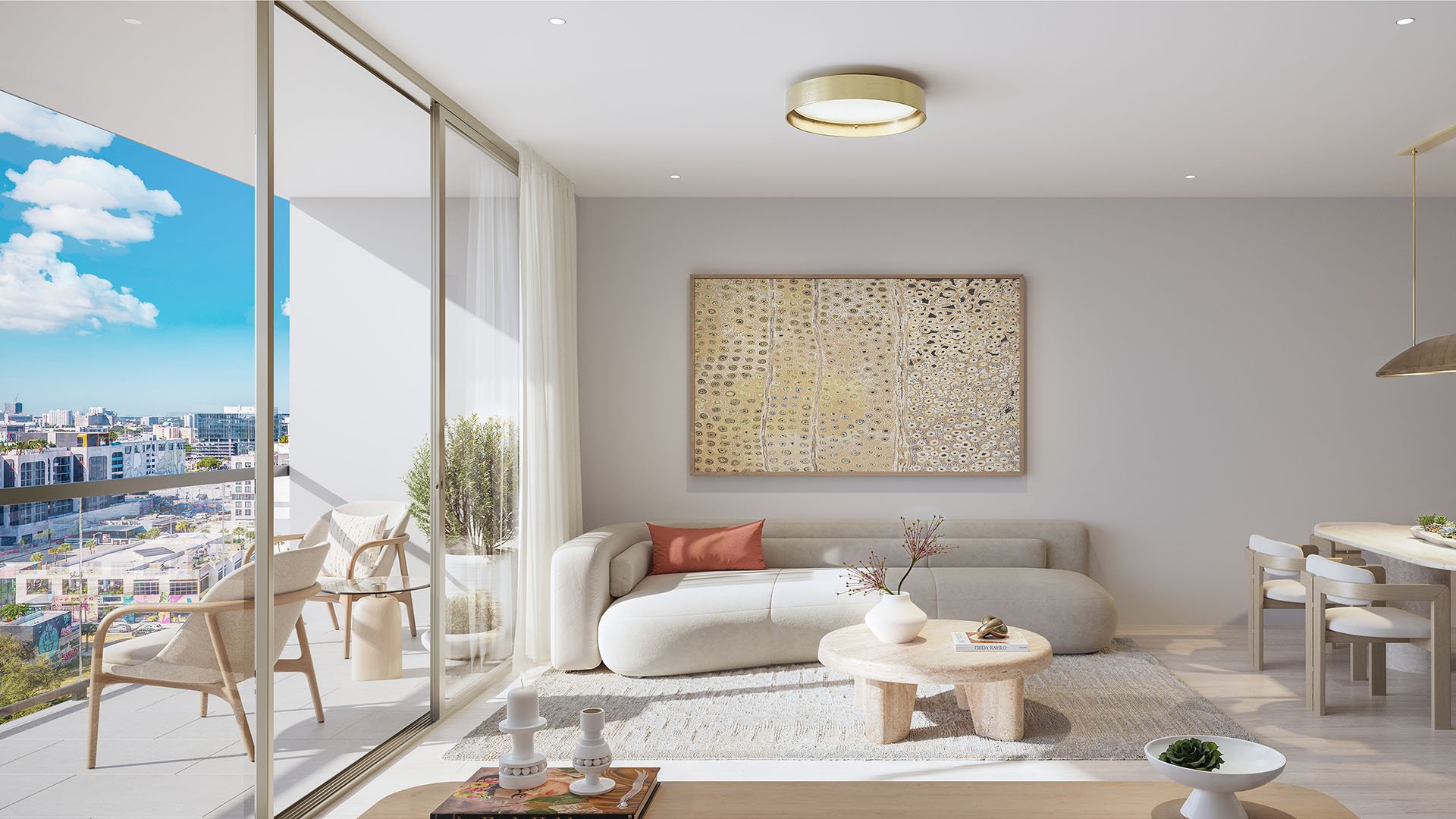
In luxury real estate, a view can feel almost architectural. It frames the morning, edits the city, and gives a residence its emotional register. In Wynwood, where buyers often respond to light, texture, skyline orientation, and an urban lifestyle, that view deserves the same scrutiny as the floor plan, finishes, parking, and building services.
The essential question is not simply, “Is the view good today?” It is, “How durable is this view, and what would happen to value, privacy, and daily enjoyment if it changed?” View-corridor risk is the possibility that a sightline now used to justify pricing, desirability, or lifestyle appeal could be reduced, narrowed, or blocked by future development, design changes, landscaping, signage, mechanical equipment, or even interior choices in neighboring buildings.
For a Buyer's Guides conversation, the strongest position is neither alarmist nor passive. It is precise. A buyer should separate what is visible today from what is legally protected, commercially likely, and contractually represented. Those are different categories, and confusing them can be expensive.
Before assessing risk, define the view. Stand in the primary rooms from multiple points, not only at the center of the glass. Sit where the dining table, bed, sofa, and terrace furniture may actually be placed. A view that reads as open from the sales gallery can feel different from a seated position or from the far side of a balcony.
Ask the sales team or listing representative to identify the most important view corridor in plain language. Is the premium tied to skyline, sunset, water glimpse, district energy, open sky, or privacy from adjacent windows? A Waterview premium, for example, should be analyzed differently from a long urban perspective or a protected internal courtyard view.
High-floors can reduce certain obstructions, but height alone is not a complete answer. A buyer still needs to understand the relationship among the residence, neighboring parcels, rooftop equipment, future towers, and any angles where a seemingly open view depends on a narrow gap.
The first diligence layer is the immediate context. Ask what sits in front of, beside, and diagonally across from the residence. Then ask what could sit there in the future. The goal is not to predict every outcome. It is to identify whether your view relies on land you do not control.
Useful questions include: Who owns the nearby parcels that shape the sightline? Are any sites vacant, underused, or assembled with adjacent lots? Are there visible signs of planning, leasing, demolition, staging, or construction activity? Has anyone disclosed applications, approvals, variances, design review items, or pending changes that could affect massing or height?
For New-construction purchases, ask whether the sales materials distinguish between actual existing views and illustrative future views. Renderings are helpful, but they are not a substitute for a parcel-by-parcel conversation. The more a price depends on a specific corridor, the more specific the questions should become.
A buyer considering Frida Kahlo Wynwood Residences, for instance, should ask not only what can be seen from the residence today, but also how the surrounding urban fabric may influence privacy, light, and openness over time.
Many views feel permanent because they are familiar. That is not the same as being protected. Ask whether any portion of the view is preserved by a recorded easement, covenant, height limitation, setback condition, public right-of-way, park, canal, civic open space, or other durable restriction. If the answer is uncertain, treat the view as exposed until counsel and specialists say otherwise.
Buyers should also ask whether the developer, association, or seller controls any land, air rights, or easements that materially affect the corridor. If another party controls the critical space, the buyer should understand what rights that party holds and whether those rights can be sold, transferred, or modified.
This is where luxury due diligence becomes less emotional and more disciplined. A beautiful view that is not legally protected may still be worth buying. It simply should be priced, financed, and negotiated as a lifestyle benefit rather than an immutable asset.
A residence with multiple exposures can tolerate view change better than a one-directional plan. Ask whether the unit’s appeal depends on one window wall or whether light, air, and orientation are distributed throughout the home. Corner layouts, deep terraces, and rooms with alternative outlooks may create resilience, but only if those outlooks matter in daily life.
Walk through the likely furniture plan and ask what happens if the primary corridor narrows. Does the living room still feel elegant? Does the bedroom remain private? Does the terrace still function as an outdoor room? Would art placement, lighting, or interior architecture compensate for a less open outlook?
When comparing Wynwood with nearby markets, the same discipline applies. A buyer weighing urban energy against broader skyline or bay-oriented perspectives might also study Aria Reserve Miami or EDITION Edgewater to understand how different site conditions can shape view risk and lifestyle value.
Ask for every statement about views to be identified as a representation, an estimate, an illustration, or marketing language. If the premium is meaningful, request written clarification. Does the contract reserve broad rights for design changes? Are views excluded from warranties? Can neighboring development affect light, air, privacy, or outlook without recourse?
The buyer’s attorney should review not only the purchase agreement, but also offering documents, condominium declarations, easements, rules, budgets, and any development rights retained by the sponsor or related parties. A polished brochure may describe a lifestyle. The contract governs the buyer’s actual position.
This matters especially for Investment buyers. If the exit strategy assumes a view premium, the documentation should support that assumption or the pricing model should be adjusted. A future purchaser will ask similar questions, and weak answers can narrow the resale audience.
View-corridor risk is not only about blockage. It is also about exposure. A future building may not erase the skyline, but it may introduce windows, balconies, rooftop amenities, lighting, or activity within the sightline. For many luxury buyers, privacy is as valuable as panorama.
Ask what could appear at eye level from the primary suite, bathroom, kitchen, terrace, and living room. Also ask about nighttime conditions. A corridor that feels open during the day can change once neighboring interiors, amenity decks, or signage are illuminated.
In denser settings, the best question may be, “What is the least favorable reasonable scenario, and would I still want to live here?” If the answer is yes, the purchase is more resilient. If the answer is no, the buyer may be paying for a narrow version of perfection.
A view premium should be identifiable. Ask how comparable residences without the same outlook are priced, and what premium is embedded for height, orientation, and openness. If the premium cannot be explained, it is hard to negotiate rationally.
Buyers comparing Wynwood with established high-rise environments such as Brickell may use projects like The Residences at 1428 Brickell as a reminder that view analysis is never one-size-fits-all. Each site has its own geometry, neighboring conditions, and buyer priorities.
The right approach is to value the residence in layers: the intrinsic plan, building quality, amenities, location, service model, light, privacy, and then the view. If the view changes, the other layers should still justify the purchase. That is the quiet discipline behind the strongest luxury acquisitions.
Before signing, ask for a concise view-corridor file. It should include current sightline photographs from the actual or comparable elevation, a marked plan showing orientation, known nearby projects or parcels that may influence views, and any written language addressing view representations or exclusions.
Ask your advisor to separate confirmed facts from assumptions. Ask counsel what is protected. Ask the design team how interiors would perform if the outlook changed. Ask yourself whether the residence still feels exceptional without the perfect view.
Wynwood rewards buyers who understand nuance. The neighborhood’s appeal is not only what appears beyond the glass, but how the residence lives within a creative urban setting. The best purchase is one where aspiration and diligence meet before the contract is signed.
What is view-corridor risk in Wynwood luxury real estate? It is the risk that a valued sightline could change because of surrounding development, design changes, or new visual obstructions.
Can a seller guarantee that my view will remain open? Buyers should usually assume a view is not guaranteed unless specific legal documents clearly protect it.
Are High-floors always safer for view protection? They may reduce some exposure, but they do not eliminate risk from taller nearby development or angled sightline changes.
What should I ask before relying on a rendering? Ask whether it reflects actual existing conditions, a proposed future condition, or an illustrative lifestyle image.
Should my attorney review view-related language? Yes. Contract language, exclusions, retained rights, and condominium documents can materially affect expectations.
How do I evaluate privacy risk? Study what future windows, balconies, rooftops, lighting, or amenity areas could face your residence.
Does a Waterview need special diligence? Yes. A water glimpse, partial water corridor, and broad open water exposure can carry very different risk profiles.
Is New-construction more exposed to view uncertainty? It can be, because buyers may rely on renderings, projections, or future conditions rather than completed views.
How should Investment buyers think about views? They should model resale value both with the current view and with a more conservative future outlook.
What is the safest way to proceed if I love the residence? Buy it for the full living experience, not solely for a single sightline that may be outside your control.
For a discreet conversation and a curated building-by-building shortlist, connect with MILLION.
If branded residences are on your mind — as a home or as an allocation — we would be glad to share what we are seeing, privately.
Begin a quiet conversation