
Choosing a residence line requires more than admiring a rendered view. This buyer-focused guide outlines the questions to ask about exposure, privacy, planning, building operations, costs, documents, and future marketability before reserving at Ocean House Surfside.
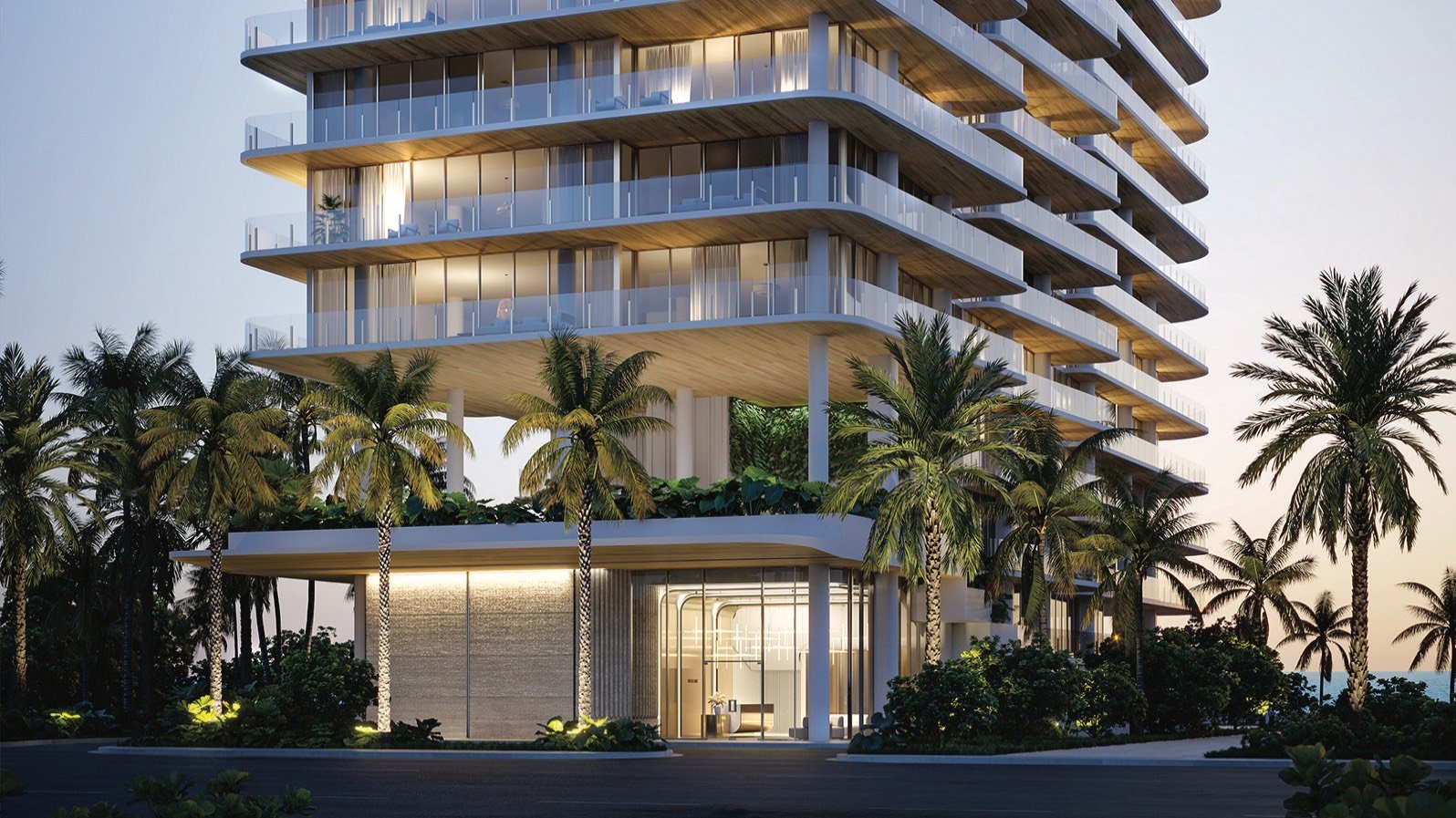
The sales gallery is where architecture becomes tangible, but its most persuasive image is not necessarily its most useful decision tool. At Ocean House Surfside, buyers should use the appointment to understand how each residence line may function in practice. That means looking beyond finishes and atmosphere to assess exposure, privacy, circulation, structural constraints, operating assumptions, and future marketability.
In condominium terminology, a “line” generally refers to a recurring vertical stack of residences. The same line can feel materially different from one floor to another as outlook, light, sound, and privacy shift with elevation. For a pre-construction purchase, the objective is not to predict every future condition. It is to determine which variables are contractual, which are illustrative, and which remain subject to change.
Request the current floor plate and ask the sales team to identify every available line, its orientation, neighboring residences, relationship to the elevators, and proximity to service circulation. Then determine which elements repeat vertically and which vary by level. A plan should be read in context, not as an isolated rectangle.
Pay particular attention to shared walls, the entry sequence, bedroom placement, and the relationship between private rooms and entertaining areas. Ask whether mechanical rooms, refuse areas, stairs, or back-of-house spaces are near the residence. Even when they are not prominent in a presentation, these details can influence quiet, convenience, and discretion.
The core principle is simple: compare equivalent information across every candidate line before discussing preferences.
Oceanfront living carries emotional force, yet “ocean view” alone does not define the daily experience. Request orientation diagrams and line-specific view studies for the precise floor under consideration. Clarify whether the materials depict direct, angled, or peripheral outlooks-and whether those conditions are representations rather than guarantees.
Study sunrise intensity, afternoon heat, glare, prevailing privacy conditions, and the visibility of neighboring terraces. Ask what may be seen from primary bedrooms, kitchens, and seated positions, not only from the terrace edge. In Surfside, it is also sensible to compare the visual context presented by nearby luxury properties such as The Delmore Surfside and Arte Surfside without assuming that different projects offer equivalent layouts, rights, or ownership structures.
Bring approximate dimensions for important furniture and conduct a room-by-room test. Where does the dining table sit without impeding circulation? Can the living room accommodate both conversation and television viewing? Is there a logical place for art, books, and concealed storage? Request dimensioned plans and confirm whether measurements are nominal, architectural, or otherwise defined in the governing documents.
Evaluate terrace depth in relation to doors, furniture, and movement. Inside, examine columns, ceiling transitions, door swings, kitchen clearances, closet capacity, and routes between bedrooms and shared spaces. If combining rooms or modifying millwork matters, ask what is offered, what requires approval, and what may be prohibited.
A new-construction decision should clearly distinguish included specifications from display-gallery upgrades. Request written identification of both.
Luxury is often measured by the quality of transitions. Ask how residents arrive from the lobby, garage, or drop-off, and whether the selected line shares an elevator vestibule or corridor. Clarify guest access, deliveries, service movement, and package handling, while relying on the applicable project documents for binding terms.
Also ask how terrace maintenance, window access, backup systems, valet or parking arrangements, and resident services are intended to operate. These are not secondary considerations. They reveal whether the residence line aligns with the buyer’s preferred degree of formality, independence, and staffing.
Within the wider neighborhood, The Surf Club Four Seasons Surfside and Eighty Seven Park Surfside can offer useful reference points for personal taste. Keep comparisons disciplined, reviewing documents, inclusions, and ownership obligations separately for each property.
The quoted residence price is only the opening figure. Request a written schedule detailing the deposit structure, estimated closing costs, association assessments, parking or storage terms, upgrade payments, and any other buyer obligations identified in the contract package. Ask which estimates may change and when updated budgets are expected.
If two lines carry different premiums, identify why. Is the difference tied to orientation, floor, terrace, privacy, plan efficiency, or another factor? Then determine whether that attribute serves the household’s actual use. A premium may be rational for one buyer and irrelevant to another.
Before signing, have qualified legal, tax, insurance, and financial advisers review the purchase in the context of the buyer’s circumstances. Sales-gallery explanations may be helpful, but the executed documents govern.
Create a concise matrix with columns for view, exposure, privacy, elevator proximity, interior efficiency, terrace usability, bedroom separation, storage, parking, total acquisition cost, and estimated recurring obligations. Score each category, then give greater weight to qualities that cannot be changed after closing.
Finishes may be personalized within permitted limits. Orientation, structural placement, and the line’s position on the floor plate generally warrant closer scrutiny because they define the residence more fundamentally. For second-home buyers, lock-and-leave simplicity may rank first. For full-time owners, storage, service circulation, and adaptable rooms may matter more.
Before leaving the gallery, request the latest materials available for review and record every unanswered question in writing. A thoughtful reservation follows a documented comparison, not a rush to preserve the memory of a rendering.
What does a residence line mean in a condominium? It generally describes a vertical stack of similarly positioned residences within the building.
Should buyers choose the highest available floor? Not automatically. Elevation should be weighed against price, exposure, privacy, outlook, and personal comfort.
How can a buyer evaluate a future view? Request line-specific orientation diagrams and view studies, then confirm how the contract characterizes illustrative materials.
Which floor-plan details deserve the closest review? Focus on dimensions, columns, door swings, storage, circulation, ceiling transitions, and furniture placement.
Are sales-gallery finishes always included? Do not assume so. Request a written schedule distinguishing standard specifications, optional upgrades, and display-only elements.
Why does elevator proximity matter? It can affect arrival privacy, convenience, corridor activity, and the routes used by guests or service personnel.
How should terrace usability be assessed? Review depth, door operation, furniture zones, exposure, privacy, and the connection to the main living spaces.
What costs should be reviewed beyond the purchase price? Examine deposits, estimated closing costs, assessments, parking, storage, upgrades, and recurring ownership obligations.
What should buyers compare with nearby projects? Compare lifestyle fit, planning, privacy, service model, documents, and total ownership obligations rather than branding alone.
Who should review the purchase documents? Buyers should engage qualified legal, tax, insurance, and financial advisers suited to their individual circumstances.
To compare the best-fit options with clarity, connect with MILLION.
If branded residences are on your mind — as a home or as an allocation — we would be glad to share what we are seeing, privately.
Begin a quiet conversation
.jpg&width=700&height=438&fit=cover)