A buyer-focused guide to evaluating preconstruction deposit schedules, escrow questions, milestone payments, and contract flexibility before purchasing luxury real estate in Miami Design District.
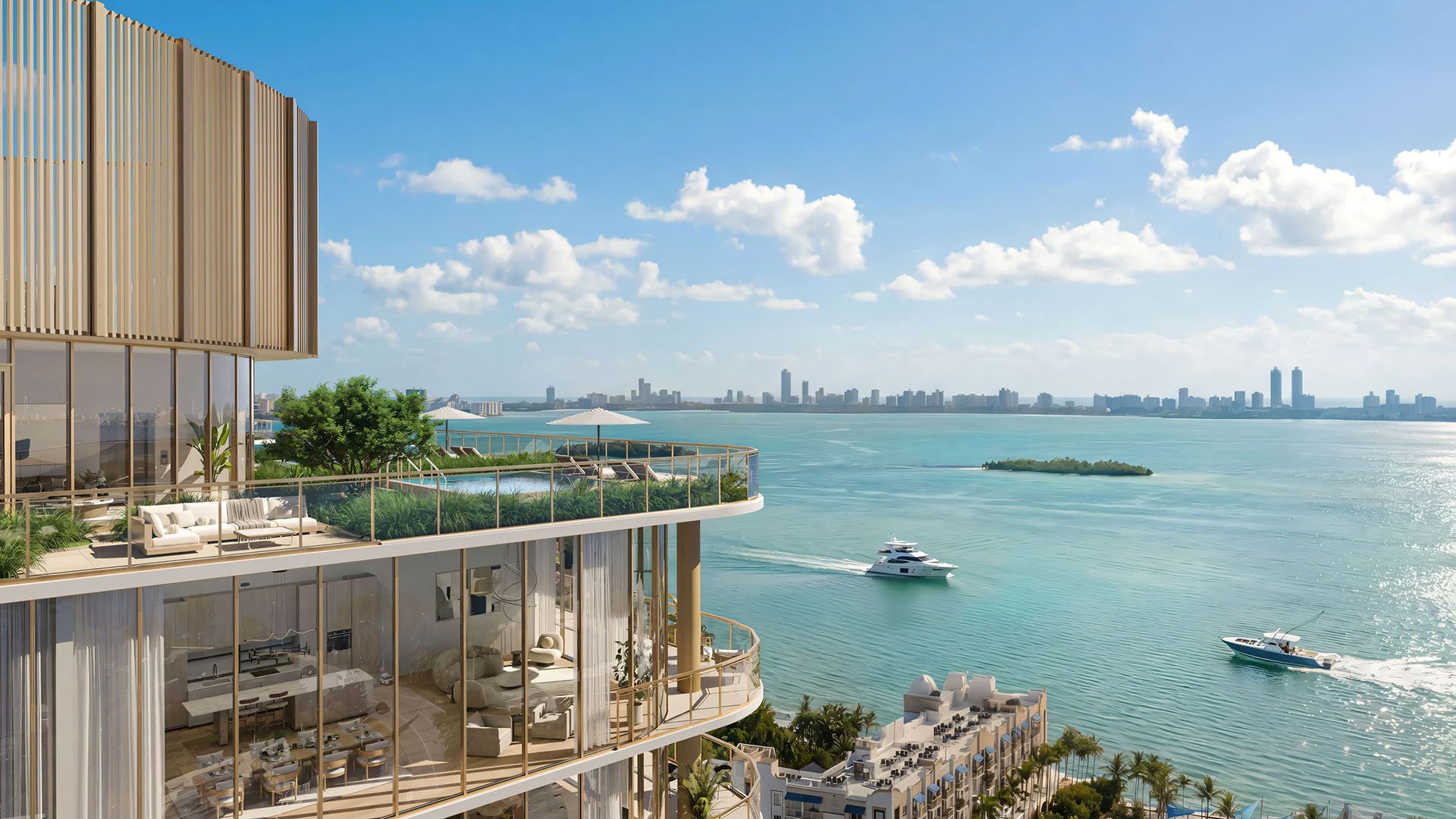
In Miami Design District luxury real estate, the residence is only one part of the purchase. The contract, deposit timing, escrow treatment, and developer delivery obligations all shape the quality of the acquisition. A well-designed home can be undermined by a poorly understood payment structure, especially when the buyer is committing capital before the building is complete.
For a Pre-Construction buyer, the deposit schedule is not an administrative detail. It is a map of exposure. It shows when your money leaves your control, which milestones trigger additional payments, how long capital may remain committed, and what options remain if circumstances change. This is especially important in the Design District, where many purchasers are weighing lifestyle, art, architecture, proximity to private aviation corridors, and long-term ownership strategy in a single decision.
The right questions do not make a buyer adversarial. They make the buyer precise. Before signing, insist on understanding not just how much is due, but why it is due at each stage.
Before selecting views, terraces, flooring, or parking preferences, ask for a written schedule showing every deposit event from reservation through closing. The schedule should identify the initial reservation amount, the contract deposit, each subsequent payment trigger, and the final balance due at closing.
The most important question is simple: what event causes the next payment to become due? Some schedules are tied to contract execution. Others may reference construction milestones, permitting events, or other defined points in the development process. If the language is vague, ask for clarification before you become attached to a particular floor plan.
Buyers comparing the Design District with nearby projects such as Kempinski Residences Miami Design District or Miami Design Residences Midtown Miami should avoid assuming that all deposit structures in the same neighborhood function alike. Two buildings can appeal to the same buyer profile while presenting very different timing, refundability, and closing dynamics.
The next question is custody. Who holds the deposit funds, and in what type of account? If the answer is escrow, ask who controls the escrow instructions and when, if ever, funds may be released before closing. If funds can be used by the developer prior to completion, ask what contractual protections apply and what rights the buyer retains.
This is where experienced counsel becomes essential. A sales presentation may summarize the schedule elegantly, but the purchase agreement controls. Your attorney should review the deposit provisions, default language, cancellation rights, timing obligations, and any clauses dealing with force majeure, construction delays, or changes to the project.
The most disciplined ultra-luxury purchasers do not ask, “Is this standard?” They ask, “What happens to my money in each scenario?” That distinction is critical.
Refundability should be discussed in plain language. Ask which payments are refundable, which become nonrefundable, and what event changes that status. If the initial reservation is treated differently from later deposits, make sure the distinction is written clearly.
A buyer should also ask what happens if the developer does not deliver within the expected window, if the unit materially changes, or if the project is altered in a way that affects the reason for purchase. The contract may define these issues narrowly, so the buyer's team should examine the language before deposit money becomes difficult to recover.
For an Investment-minded purchaser, refundability is not only a protection mechanism. It is also a liquidity issue. Capital committed to a preconstruction residence may not be available for another acquisition, business opportunity, tax planning move, or portfolio adjustment. The more ambitious the purchase, the more important the timing of capital becomes.
A deposit schedule should be evaluated against the buyer's larger South Florida strategy. Some purchasers are focused on Design District adjacency. Others are comparing the neighborhood with Brickell, Edgewater, Miami Beach, or Coconut Grove. The right deposit structure for a primary-residence buyer may not be right for a collector of trophy properties or a family office acquiring multiple homes.
When comparing the Design District with vertical luxury markets such as 888 Brickell by Dolce & Gabbana or waterfront-driven offerings such as Villa Miami, focus on the contract mechanics as much as the brand, architecture, and amenity narrative. Branded Residences may carry strong emotional appeal, but the payment terms still need to fit the buyer's liquidity profile.
New-construction opportunities also require a clear understanding of the time between signing and closing. A longer timeline may be comfortable for a buyer who wants to plan gradually. It may be less comfortable for someone who needs near-term occupancy or is financing multiple commitments at once.
Many ultra-luxury buyers purchase in cash, but even cash buyers should ask whether the contract assumes outside financing, whether there are financing contingencies, and what happens if lending conditions change. If a buyer intends to finance part of the purchase, the deposit schedule should be evaluated alongside loan timing, appraisal uncertainty, and personal liquidity.
Ask whether the developer has preferred lenders, whether those relationships create any practical benefit, and whether the buyer remains free to select independent financing. Also ask what documentation the buyer will need as the project approaches closing. A deposit schedule can feel manageable at contract signing, then become more complex if market conditions, portfolio values, or lending appetites shift before completion.
The central question is not whether the buyer can afford the residence. In this segment, the buyer often can. The question is whether the capital plan remains elegant under pressure.
Even buyers with long-term intentions should ask about assignment and resale restrictions. Can the contract be assigned before closing? If so, under what conditions and with whose consent? Are there fees, limitations, blackout periods, or developer approval rights?
This matters because preconstruction purchases sit in time. A buyer's life, business, tax posture, family needs, or residency plans may change before delivery. Exit flexibility can be especially relevant in Design District purchases, where some buyers are motivated by lifestyle evolution rather than immediate occupancy.
Do not treat assignment rights as speculative behavior. Treat them as contingency planning. A buyer may never use them, but knowing the rules before deposits harden can preserve negotiating confidence.
The cadence of deposits can say a great deal about alignment. A thoughtful schedule balances the developer's need to demonstrate buyer commitment with the purchaser's need for transparency and protection. If payments accelerate quickly, ask what milestones justify that pace. If substantial funds are required early, ask what has already been completed and what remains subject to change.
A sophisticated buyer should also ask how amendments are handled. Can the developer change amenities, common areas, materials, or building services? If changes occur, do they affect the deposit obligations? Luxury buyers often focus on design integrity, yet the agreement may allow substitutions or modifications that deserve careful review.
The better approach is measured, not suspicious. Ask for clarity, request written answers, and allow your advisory team to compare the economics with your broader acquisition plan.
What is a preconstruction deposit schedule? It is the timeline that defines when a buyer must make payments before closing. It should show each deposit event and the final balance due.
Should I review the deposit schedule before choosing a residence? Yes. The payment structure can affect liquidity, timing, and risk as much as the floor plan or view.
Who should review the purchase agreement? A qualified real estate attorney should review the contract before you sign. The sales summary is not a substitute for the governing documents.
What should I ask about escrow? Ask who holds the funds, when they may be released, and what conditions apply. The answer should be confirmed in writing.
Are all Design District preconstruction deposits structured the same way? No. Buyers should compare each project independently because timing, refundability, and contract language can vary.
Why does refundability matter? Refundability determines whether a buyer can recover funds under specific circumstances. It also affects liquidity and leverage.
Should cash buyers still ask financing questions? Yes. Even cash buyers benefit from understanding closing timing, liquidity planning, and available options.
What are assignment rights? Assignment rights address whether a buyer can transfer the contract before closing. Restrictions should be understood before deposits become significant.
How should I compare a Design District purchase with Brickell or Edgewater? Compare not only architecture and lifestyle, but also deposit timing, contract flexibility, and expected closing obligations.
What is the best first question to ask a developer sales team? Ask for the complete written deposit schedule and the contract language that governs it. Then review both with your advisory team.
For a discreet conversation and a curated building-by-building shortlist, connect with MILLION.
If branded residences are on your mind — as a home or as an allocation — we would be glad to share what we are seeing, privately.
Begin a quiet conversation