A discreet buyer’s guide to evaluating restaurant access, guest privileges, privacy, operations, and resale implications before purchasing luxury real estate in Coconut Grove.

In Coconut Grove, dining access is rarely just about where to book a table. For a luxury buyer, it touches privacy, daily rhythm, guest experience, valet flow, security, and the fine line between a building that feels quietly residential and one that operates as a social address. The sharper question is not simply whether there is a restaurant nearby. It is who can use it, when they can use it, on what terms, and how those rules may change after you close.
This matters because the Grove attracts buyers who want intimacy without isolation. They want a village setting, a mature tree canopy, bay air, and the ease of stepping into a polished dining room without turning home into a lobby. A Coconut Grove search can turn on this nuance: restaurant access may sound like a privilege during a sales presentation, yet the governing documents, operating agreement, reservation policy, and guest rules are what define the ownership experience.
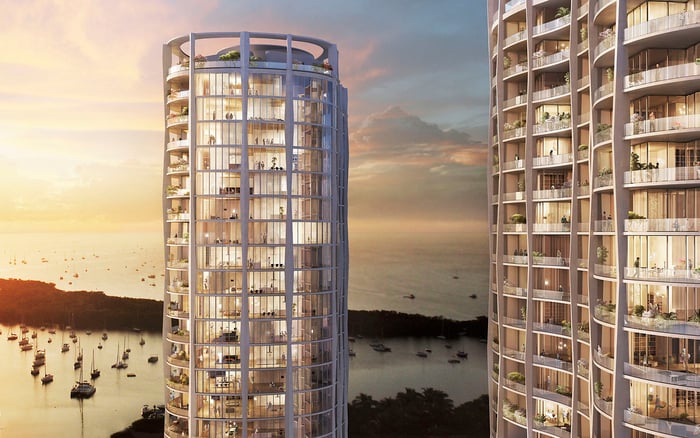
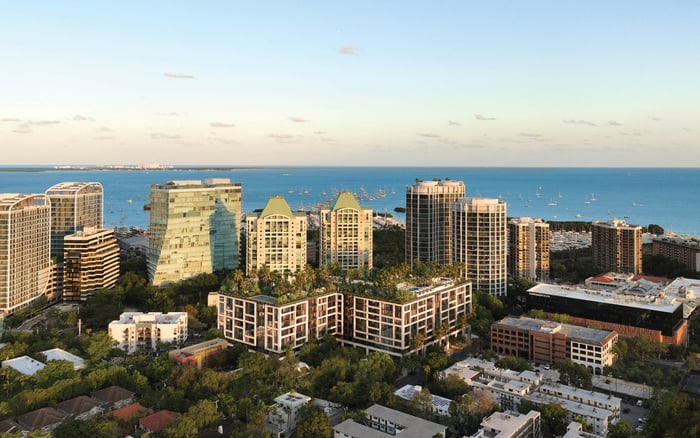
When comparing residences such as Four Seasons Residences Coconut Grove, Mr. C Tigertail Coconut Grove, or Park Grove Coconut Grove, buyers should treat dining access as a diligence category, not a lifestyle assumption. The most elegant answer is usually precise, written, and operationally realistic.
The first question is deceptively simple: is the restaurant open to the public, residents only, members only, hotel guests, invited guests, or some combination of those groups? Each structure creates a different atmosphere. Public access can animate a property and support a high-caliber operator, but it may also introduce more valet activity and outside foot traffic. Resident-only access can feel serene, but it may limit the energy and consistency of the dining room. A membership model can preserve exclusivity, but buyers need to understand whether ownership automatically includes membership or merely the ability to apply.
Ask whether nonresidents can book directly, whether residents receive priority, and whether resident guests are treated differently from outside diners. If a restaurant is marketed as part of the residential lifestyle, ask what that means in practice during peak dinner hours, holiday weekends, private events, and high season. A beautiful dining room has less value if residents cannot reasonably secure a table when they actually want one.
Restaurant access should be evaluated with the same discipline as parking, storage, elevator use, or marina access. Who controls the reservation system? Is there a concierge desk that can assist residents? Are there blackout dates? Can residents reserve for friends when they are not present? Is there a limit on party size? Can household staff, family members, or visiting guests use the restaurant independently?
For buyers who entertain often, the guest policy can matter more than the menu. If you plan to host clients, adult children, friends arriving by car, or extended family staying in the residence, ask how those guests are registered, escorted, and seated. Also ask whether separate rules apply to bars, lounges, terraces, private dining rooms, poolside dining, or in-residence catering. One building may be generous with resident-hosted guests, while another may protect privacy by keeping access narrow.
A restaurant can add polish to a property, but it also changes the choreography of arrival. Buyers should walk the exact path that nonresident diners will take. Do they enter through a separate entrance, a shared porte cochere, a hotel lobby, a residential lobby, or a dedicated elevator bank? Is there a host stand near private residential circulation? Can diners see into amenity areas, pool decks, gardens, or terrace spaces used by residents?
Privacy is not only visual. It is acoustic and operational. Ask about music, closing hours, outdoor seating, kitchen exhaust, delivery zones, trash removal, valet stacking, ride-share pickup, and private events. If the restaurant is intended to become a neighborhood destination, that can be an asset, but only if the building’s physical plan separates hospitality energy from residential calm. Boutique properties, in particular, must manage this balance carefully because a smaller footprint can make every operational choice more noticeable.
Verbal assurances are not enough. Ask to review the condominium documents, offering materials, association rules, reciprocal access agreements, license agreements, management agreements, and any documents that describe restaurant use. The goal is not to become adversarial. It is to determine whether access is a binding right, a revocable privilege, a third-party service, or a marketing feature that depends on future operations.
Important questions include whether the restaurant operator can change, whether hours can be modified, whether resident priority can be amended, and whether the association has any control over noise, security, or common-area use. Ask who pays for shared spaces, insurance, maintenance, valet infrastructure, and staffing tied to restaurant operations. If a dining concept changes, the buyer should understand whether the residential experience changes with it.
For residences with a wellness or hospitality language, such as The Well Coconut Grove, dining-related diligence should include the full amenity ecosystem. Food and beverage can be connected to spa use, events, programming, and guest flow. The more integrated the lifestyle promise, the more important it becomes to understand the rules that support it.
Restaurant access can enhance value when it is managed with restraint. It can make a home feel connected to the social life of the Grove without requiring a drive to Brickell, Miami Beach, or Coral Gables. It may also appeal to second-home owners who want a frictionless evening routine and to buyers who prize a refined sense of arrival.
But value depends on execution. A dining room that is too public may erode the feeling of private ownership. A restaurant that is too restricted may lack atmosphere. A reservation policy that favors outside revenue over residents can frustrate owners. Conversely, a quiet, well-run restaurant with clear resident priority can become one of the most used and emotionally valuable features of a home.
When evaluating a newer or future-facing address such as Ziggurat Coconut Grove, ask the same questions early. Pre-purchase diligence is strongest when it tests not only the vision, but also the mechanics behind that vision.
Before signing, ask the sales team, property management, and counsel to answer specific questions in writing. Who may dine without being a resident? What priority do owners receive? Are reservations guaranteed, preferred, or simply assisted? Can the restaurant host private events that restrict resident access? Are there separate entrances and valet protocols? What happens if the operator changes? Can rules be amended by the association, the developer, or a hospitality partner?
Also ask lifestyle questions. Will you use the restaurant weekly, seasonally, or mainly for guests? Do you prefer a quiet residential building with nearby dining, or a more social environment with curated activity on site? Are you comfortable with outside diners arriving at your address? The best Coconut Grove purchase is not the one with the most amenity language. It is the one whose access rules match how you actually live.
Should I ask if a Coconut Grove restaurant is open to nonresidents? Yes. Access categories shape privacy, reservation availability, guest flow, and the daily feel of the property.
Is resident priority always guaranteed? No. Priority should be confirmed in writing through the relevant rules, agreements, or ownership documents.
Can nonresident diners affect privacy? They can. Entrances, valet, elevators, sightlines, music, and event programming all influence residential privacy.
Should I rely on a sales presentation about restaurant access? Use it as a starting point only. Ask for the documents that define access, guest rights, and operating control.
What matters most for entertaining guests? Ask whether you must be present, how large parties are handled, and whether peak dates carry restrictions.
Can restaurant rules change after I buy? They may, depending on the governing documents and operating agreements. Confirm amendment rights before closing.
Is public restaurant access bad for resale value? Not necessarily. It can add energy and prestige if circulation, security, and noise are carefully managed.
What should second-home buyers ask? Ask how reservations work when you are away, whether guests can dine independently, and who coordinates access.
Should I compare restaurant access across buildings? Yes. The same word, access, can mean very different things from one property to another.
What is the safest diligence approach? Treat dining access like a legal and operational feature, then verify the rules before making lifestyle assumptions.
For a confidential assessment and a building-by-building shortlist, connect with MILLION.
If branded residences are on your mind — as a home or as an allocation — we would be glad to share what we are seeing, privately.
Begin a quiet conversation