A buyer-focused guide to verifying whether any restaurant or food-and-beverage component at 57 Ocean Miami Beach is private, guest-only, semi-private, or accessible to nonresidents before purchase.
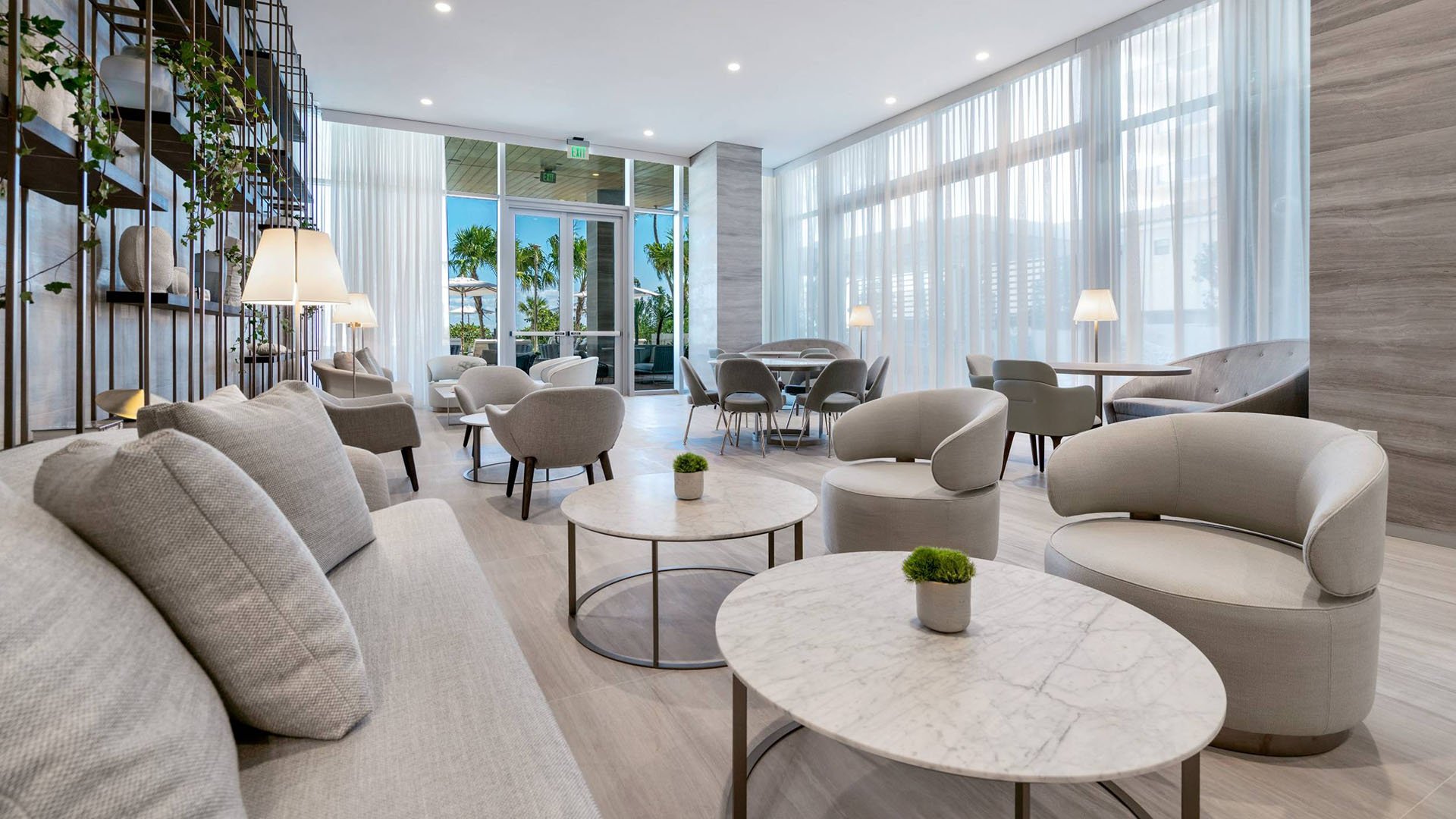
For a buyer considering 57 Ocean Miami Beach, restaurant access is not a decorative question. It is a privacy question, an operating question, and, ultimately, a value question. A dining room can feel like an extension of the residence when it is controlled, quiet, and reserved for owners and their invited guests. It can feel very different if nonresidents are permitted to book, arrive, circulate, and linger in areas residents expected to remain private.
The first question is direct: is any restaurant or food-and-beverage amenity connected to 57 Ocean Miami Beach private, resident-only, guest-only, semi-private, or open to the public? Buyers should not rely on impressions from a tour, brochure language, or casual descriptions. The answer should be verified in writing, with the exact access category clearly stated.
If nonresidents are allowed, the next layer is how they gain access. Can they book directly? Must they be invited by a resident? Is access routed through a hotel, club, concierge, private event, or third-party reservation channel? Each model creates a different level of control, visibility, and foot traffic.
The most important restaurant-access answers are rarely found in marketing language. They should be located in the condominium declaration, bylaws, rules and regulations, developer agreements, lease documents, management contracts, or commercial-space documents. A buyer’s counsel should identify which document governs access, which document can be amended, and which document prevails if provisions conflict.
Ask whether restaurant access rules can change after purchase. If they can, who has approval power: the board, unit owners, developer, restaurant operator, management company, or commercial-space owner? A rule that feels narrow today may be less protective if one party can expand access later without meaningful owner consent.
Also confirm whether any restaurant operator has an easement, license, lease, or other legal right to bring outside patrons through residential or shared areas. This is where a luxury buyer should be especially precise. A right of entry through a lobby, valet court, corridor, restroom zone, elevator bank, or terrace can materially affect the building’s day-to-day atmosphere.
The physical route of a nonresident patron is often more revealing than the restaurant concept itself. Ask whether outside diners use the same lobby, elevators, valet, drop-off, restrooms, beach access, or security checkpoints as residents. In an oceanfront building, even small circulation choices can shape the sense of privacy from arrival to departure.
A buyer should ask how nonresident traffic is screened, logged, escorted, and separated from private residential areas. Is there a distinct entrance? Are reservations checked before entry? Are guests monitored after dining? Are residential elevators restricted? Can restaurant patrons wander into lounge, terrace, spa, pool, wellness, or club areas?
This is also a practical beach-access issue. If a restaurant guest can move from dining areas toward sand, pool, or terrace zones, the buyer needs to know whether that access is permitted, supervised, or prohibited. The difference between elegant private service and a hospitality-style flow is not philosophical. It is operational.
Buyers comparing Miami Beach residences such as The Perigon Miami Beach or Shore Club Private Collections Miami Beach should apply the same lens: not whether a lifestyle amenity sounds impressive, but how access is controlled when the building is fully occupied and active.
A restaurant’s legal access model is only one part of the inquiry. Buyers should confirm the operating profile: hours, event permissions, music policies, outdoor seating rules, delivery access, and limits on private buyouts or branded events. The most discreet buildings often depend on small rules that are easy to overlook before closing.
Ask whether the restaurant can serve alcohol to nonresidents and whether liquor-license conditions create public-access obligations or operational limits. Alcohol service, late-night dining, and event programming can alter the building’s rhythm, especially when paired with valet arrivals, rideshare staging, music, or outdoor seating.
Operational nuisances should be addressed before they become lived experience. Confirm whether noise, odors, trash handling, deliveries, pest control, kitchen exhaust, and late-night cleanup are covered in the building rules or operator contracts. These details may seem ordinary, but in a luxury condominium they define whether lifestyle remains residential or becomes more visibly commercial.
Restaurant access is also a transportation question. Review whether dining activity affects valet congestion, driveway circulation, rideshare staging, loading zones, and resident parking priority. Even a well-run restaurant can create pinch points if guests arrive during peak resident return hours, private events, or weekend beach periods.
The buyer should ask whether residents receive priority at valet and whether restaurant patrons are directed to separate staging, drop-off, or waiting areas. If the same driveway serves residents, guests, deliveries, and dining patrons, the rules should identify who receives preference when demand overlaps.
For buyers also reviewing branded or service-forward residences such as The Ritz-Carlton Residences® Miami Beach, the broader lesson is consistent: service is valuable when it is choreographed. It is less compelling when the choreography depends on assumptions rather than enforceable rules.
Restaurant economics deserve the same diligence as floor plans and views. Ask whether restaurant revenue benefits the condominium association, a private operator, a commercial-unit owner, or the developer. If the amenity is positioned as part of the residential experience, buyers should know whether owners share in value or simply share in activity.
The reverse question may be more important: do residents subsidize any restaurant operating losses through association dues, shared staffing, utilities, insurance, maintenance, or common-area expenses? A luxury amenity can be worth supporting, but the cost allocation should be transparent before closing.
Insurance and liability should also be reviewed. Ask whether indemnity provisions protect unit owners and the association from claims involving nonresident restaurant guests. If outside patrons are allowed on property, the buyer’s counsel should understand who bears risk for incidents in shared areas.
If access is semi-private or mixed, ask whether residents receive preferred reservations, discounts, priority seating, private dining windows, or the right to exclude outside patrons during certain periods. These privileges can materially affect whether the restaurant feels like an owner amenity or a commercial venue that happens to sit within a residential setting.
The larger question is identity. Is the building intended to remain a quiet residential property, or could it evolve toward a more hospitality-style destination? That distinction is central for buyers who choose Miami Beach for discretion, ocean air, and controlled arrival rather than social traffic.
This is why the best buyer’s guides for luxury condominiums treat restaurants as governance issues, not simply amenities. Before closing, request written confirmation of restaurant-access policies from the seller, association, developer, or management, and have condominium counsel review the governing documents. A refined dining program can be a privilege. Undefined access is a risk.
Should I assume a restaurant at 57 Ocean is public if it is mentioned as an amenity? No. Ask whether it is resident-only, guest-only, semi-private, or open to nonresidents, and request the answer in writing.
Where should restaurant access rights be documented? Look to the condominium declaration, bylaws, rules and regulations, developer agreements, lease documents, management contracts, or commercial-space documents.
Can restaurant access rules change after I buy? They may be changeable depending on the governing documents. Ask who has approval power and what owner consent, if any, is required.
What should I ask about nonresident arrivals? Confirm whether outside patrons use the same valet, drop-off, lobby, elevators, restrooms, beach access, and security checkpoints as residents.
Should I ask whether restaurant guests can use other amenities? Yes. Verify whether patrons may access the pool, beach, spa, wellness, lounge, terrace, or club areas.
Why do operating hours matter? Hours, music, events, outdoor seating, deliveries, and private buyouts can affect privacy, noise, staffing, and circulation.
Do liquor rules matter for condominium buyers? Yes. Alcohol service to nonresidents may create operational limits, access questions, or late-night activity concerns.
Who receives restaurant revenue? Ask whether revenue benefits the association, a private operator, a commercial-unit owner, or the developer.
Could owners subsidize restaurant costs? Potentially. Confirm whether dues, shared staffing, utilities, insurance, maintenance, or common-area expenses support the operation.
What should I do before closing? Request written confirmation from the seller, association, developer, or management, and have condo counsel review all governing documents.
To compare the best-fit options with clarity, connect with MILLION.
If branded residences are on your mind — as a home or as an allocation — we would be glad to share what we are seeing, privately.
Begin a quiet conversation