A buyer-focused look at why hospitality discipline, service consistency, brand governance, and Design District positioning can shape the value conversation around Kempinski Residences Miami Design District.
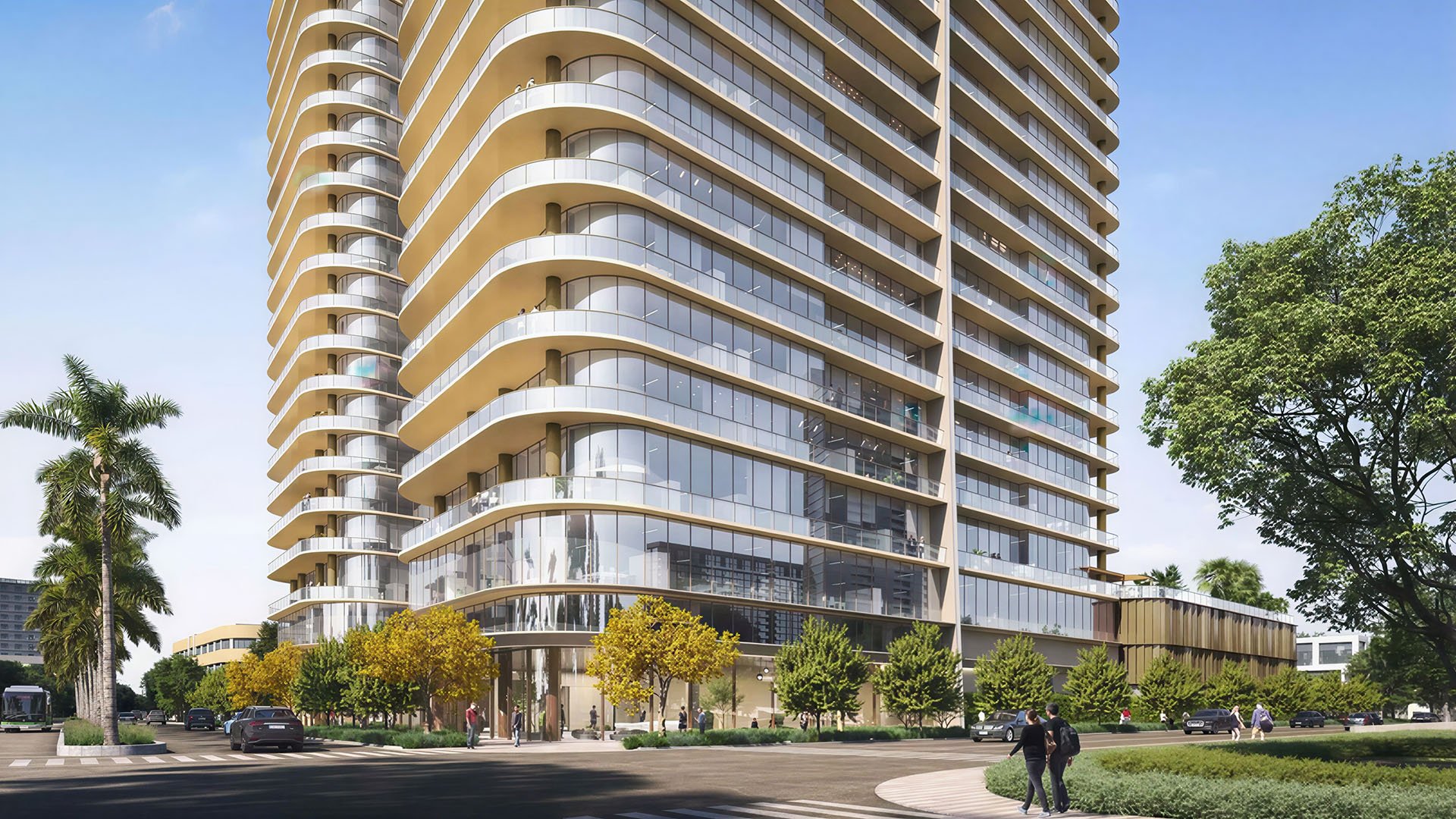
In South Florida’s top tier of residential real estate, value is no longer defined only by views, square footage, or a recognizable address. The more sophisticated conversation begins after closing: how the building receives residents, how staff anticipate needs, how common areas are maintained, and whether the ownership experience remains composed through the ordinary rhythm of daily use.
That is the lens through which buyers are likely to evaluate Kempinski Residences Miami Design District. The appeal of a hospitality-driven residence is not simply the presence of a name. It is the expectation that the property will operate with a level of consistency more often associated with a finely managed hotel than a conventional condominium.
For affluent buyers, that discipline can translate into value in several ways. A residence that is easier to live in can become easier to hold. A building with consistent service can feel more resilient in competitive resale conversations. A brand that understands discretion can support the intangible quality that matters deeply to owners who may divide time among several homes.
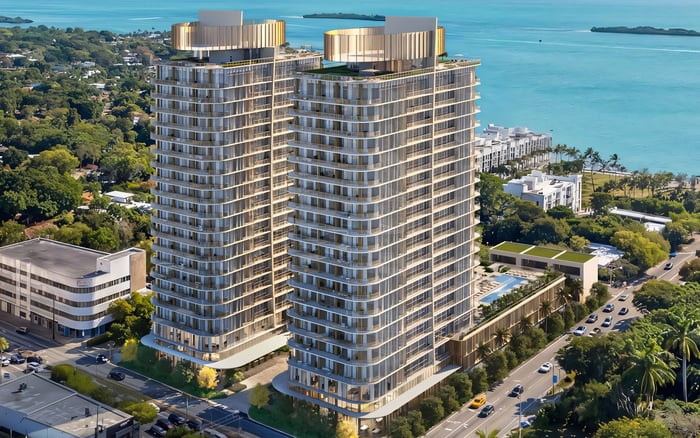
The Design District gives this conversation a particular edge. It is not a traditional beachfront setting, and that distinction matters. Buyers considering the neighborhood are often seeking an urban home with cultural proximity, restaurant access, fashion adjacency, and a more curated daily environment than a purely resort-driven address.
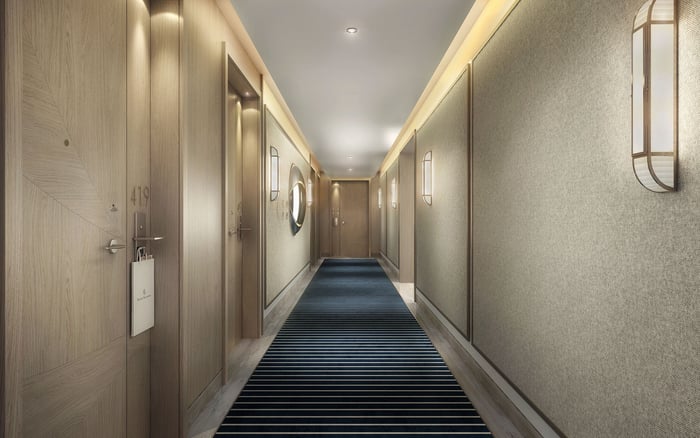
For a hospitality-branded project, that setting can be powerful. The building does not need to imitate a beach resort to create value. Instead, it can focus on arrival, privacy, design, and service choreography. The more urban the location, the more important those internal standards become. Lobby flow, valet experience, package handling, guest access, wellness spaces, and staff responsiveness can shape how premium the home feels every day.
This is where lifestyle becomes part of the investment thesis. A buyer is not only acquiring a floor plan. The buyer is selecting a private operating environment within one of Miami’s most design-conscious districts.
Hospitality value is often quiet. It shows up in the absence of friction. The car is retrieved efficiently. A guest is received with confidence. A maintenance request is handled without drama. Amenity spaces feel fresh, calm, and properly staffed. Security is present without feeling theatrical.
For buyers, the essential question is whether the brand standards are embedded into the condominium’s operating structure. A name can create attention, but operations create satisfaction. The most durable branded residences tend to communicate clearly how service is trained, supervised, budgeted, and renewed over time.
That is why due diligence should extend beyond renderings. Buyers should understand governance, association expectations, service staffing, management structure, rules for private events, amenity access, and the long-term cost of maintaining the promised standard. These details may not be glamorous, but they are often where residential value is protected.
Kempinski’s positioning also sits within a broader Miami moment. Buyers now compare hospitality-led and design-led residences across neighborhoods, not just within a single zip code. A Brickell buyer may consider the club-like appeal of Cipriani Residences Brickell, while another may be drawn to the global hospitality language associated with The Residences at Mandarin Oriental, Miami.
In that context, Kempinski Residences Miami Design District is less about competing on one isolated feature and more about presenting a complete ownership mood. The buyer will ask: Does this address feel personal? Does the service promise match the neighborhood? Does the brand bring discipline without making the residence feel public? Does the building support both daily living and occasional use?
Other South Florida examples sharpen that analysis. Four Seasons Residences Coconut Grove speaks to buyers who prioritize a quieter village atmosphere, while 888 Brickell by Dolce & Gabbana appeals to those drawn to fashion-led urban theater. The Design District buyer may want something more composed: a home connected to style, but not dependent on spectacle.
Resale value in the ultra-premium market often depends on confidence. Future buyers want to understand not only what they are buying, but what the building will feel like five, ten, or more years into ownership. Hospitality standards can help answer that question when they are visible in upkeep, staffing culture, and resident satisfaction.
The strongest service models create continuity. They make a residence feel managed rather than merely maintained. That difference can influence how buyers interpret monthly costs, how brokers speak about the building, and how owners justify holding the asset through market cycles.
This does not mean every branded residence automatically commands a premium. Sophisticated buyers know the difference between marketing and execution. The premium is earned when the resident experience is consistent, when design ages gracefully, and when the building’s identity remains clear.
New-construction and pre-construction buyers should approach Kempinski Residences Miami Design District with a precise checklist. Review the residence layouts for daily livability, not just presentation. Study storage, elevator access, privacy between public and private rooms, outdoor space, acoustic expectations, and how staff circulation may affect resident flow.
Then move to the operating questions. What services are included? Which are à la carte? How are amenities reserved? What is the expected tone of the building: formal, relaxed, club-like, hotel-like, or highly private? The right answer depends on the buyer. A primary resident may want convenience and quiet. A seasonal owner may care more about lock-and-leave confidence. An investor-minded buyer may focus on brand durability and future demand among comparable purchasers.
The most successful purchase is the one where the residence, the service model, and the neighborhood all support the same lifestyle proposition. When those three elements align, hospitality can become more than a layer of polish. It can become a daily utility and, potentially, a meaningful component of long-term value.
What is the main value proposition of Kempinski Residences Miami Design District? The central proposition is a hospitality-influenced residential experience in the Design District, with value tied to service, discretion, and ease of ownership.
Why do hospitality standards matter in a condominium? They can improve daily living by making arrivals, guest handling, maintenance, amenities, and resident requests feel consistent and professionally managed.
Is a branded residence always worth more? Not automatically. The premium depends on execution, governance, service quality, design durability, and buyer demand at resale.
What should buyers ask before purchasing? Buyers should ask how services are staffed, what is included in ownership costs, how amenities are managed, and how brand standards are maintained.
How does the Design District affect the buyer profile? The area tends to appeal to buyers who value design, dining, culture, and an urban Miami lifestyle rather than a purely beachfront setting.
Is this more of a lifestyle or investment purchase? It can be both, but the strongest rationale usually begins with lifestyle fit and then considers long-term demand among comparable luxury buyers.
How should buyers compare branded residences in Miami? They should compare not only brand names, but also neighborhood, service culture, privacy, finishes, governance, and total ownership experience.
What is important for pre-construction due diligence? Buyers should review contracts, budgets, service descriptions, delivery expectations, association structure, and the practical livability of each floor plan.
Can hospitality service help resale? It can support resale if the building earns a reputation for consistency, upkeep, discretion, and a resident experience that remains desirable over time.
What is the best way to shortlist comparable options for touring? Start with location fit, delivery status, and daily lifestyle priorities, then compare stacks and elevations to validate views and privacy.
When you're ready to tour or underwrite the options, connect with MILLION.
If branded residences are on your mind — as a home or as an allocation — we would be glad to share what we are seeing, privately.
Begin a quiet conversation