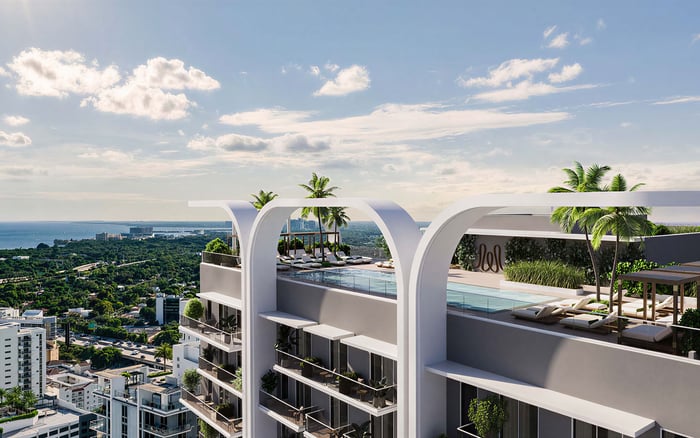
A discreet buyer’s guide to reviewing reserve study assumptions before purchasing luxury condominium real estate in Palm Beach Gardens, with questions that clarify future capital exposure.
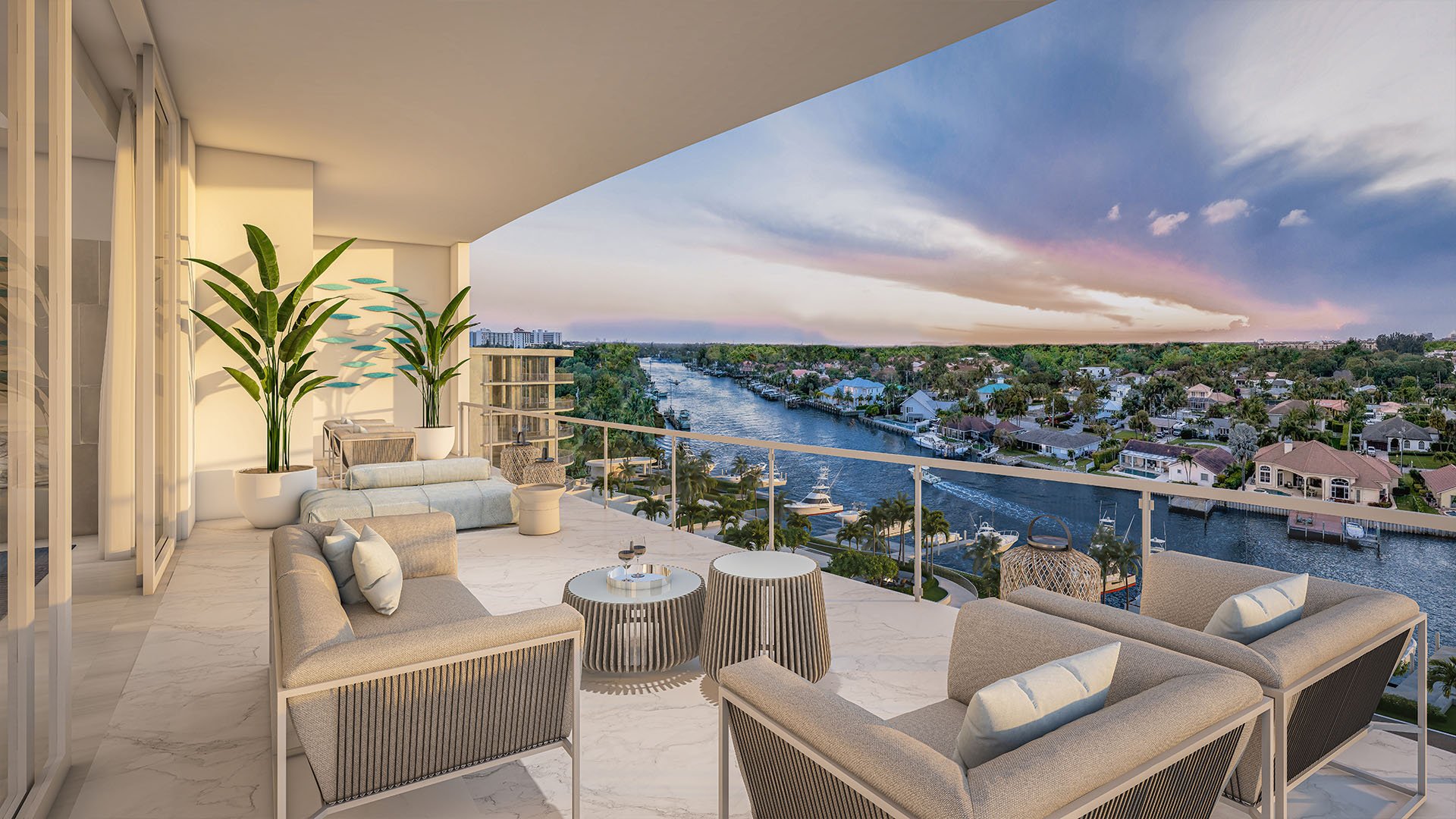
In Palm Beach Gardens, the most elegant residence is measured by more than ceiling heights, private terraces, concierge service, or the calm geometry of a water view. For a discerning buyer, it is also measured by the quality of the association’s planning. A reserve study is not simply an accounting attachment to review after the emotional decision has been made. It is a portrait of how a building expects to age, how it intends to fund that aging, and how much confidence a future owner can place in the rhythm of ownership costs.
This is especially relevant in luxury real estate, where shared assets may include elevators, roofs, seawalls, pools, fitness spaces, lobbies, garages, mechanical systems, club rooms, landscaping, private roads, docks, and amenity environments that must be maintained at a level consistent with the property’s positioning. A buyer comparing Palm Beach Gardens with Aventura, Boca Raton, or West Palm Beach should treat reserve study assumptions as part of the same diligence conversation as architecture, service, privacy, and long-term investment value.
At a property such as The Ritz-Carlton Residences® Palm Beach Gardens, buyers naturally focus on design, location, and lifestyle. The quieter question is just as important: how will the association, once operating, model the future cost of preserving the experience buyers are acquiring today?
The first question is deceptively simple: what components are included in the reserve study? A polished summary may look complete, but a luxury buyer should ask for the component schedule and review whether it captures the building’s most consequential shared assets. In a high-end condominium, this can extend well beyond obvious structural and mechanical items.
Ask whether the study accounts for amenity furniture, pool finishes, security systems, access controls, garage systems, fire and life-safety systems, irrigation, exterior lighting, lobby finishes, fitness equipment, common-area flooring, elevator cab finishes, and any waterfront or marina-related infrastructure if applicable. The answer should be specific. A reserve study is only as useful as the inventory it evaluates.
Also ask what has been intentionally excluded. Some items may be treated as operating expenses rather than reserve items. Others may be considered the responsibility of a commercial component, a master association, or another legal entity. The distinction matters because it determines who pays, when they pay, and whether the cost appears in predictable monthly assessments or arrives later as a special assessment.
Affluent buyers often focus on the reserve balance, but the more revealing line may be useful life. Every component in a reserve study is typically assigned an estimated remaining life. That estimate shapes when money must be available. If useful lives are optimistic, the association may appear stronger than it is. If they are conservative, monthly assessments may be higher, but the building may be better insulated from sudden capital calls.
Ask who determined the useful-life assumptions and when the major systems were last inspected. Ask whether the study distinguishes between cosmetic life and functional life. A lobby may still function long after it feels dated for a luxury property. Conversely, a hidden mechanical system may require attention before owners notice any visible decline.
For resale buyers, this question is essential. A building can show refined common areas and still carry deferred capital needs. A residence can feel turnkey while the association faces near-term projects. The private home and the shared building must both pass the test.
Replacement cost is where reserve studies can become either sober or misleading. In luxury communities, the cost to replace a component is rarely generic. Materials, labor quality, access, insurance requirements, permitting, design expectations, and service continuity can all influence the final number. A buyer should ask whether replacement costs are based on recent bids, engineering estimates, prior projects, or broad assumptions.
Inflation deserves its own question. If a study assumes modest cost growth, ask whether that assumption reflects the type of work the building is likely to require. Specialized waterproofing, façade work, elevator modernization, amenity renovation, and waterfront maintenance may not move in line with ordinary household inflation. The more bespoke the property, the more important it is to understand whether the reserve model reflects real luxury-level replacement standards.
This applies across the South Florida luxury corridor. Buyers considering Alba West Palm Beach, Forté on Flagler West Palm Beach, or Palm Beach Gardens should ask the same core question: does the funding model protect the quality of life that made the building desirable in the first place?
A reserve study can produce several funding paths. One association may aim to build reserves steadily and minimize surprises. Another may accept lower reserves and rely more heavily on future assessments. Neither approach should be evaluated apart from the building’s age, condition, owner profile, and capital plan.
Ask whether the current budget follows the reserve study recommendations. If it does not, ask why. A study may recommend a contribution level, but the adopted budget may use a different figure. The difference between recommended and actual funding is one of the most important pieces of buyer diligence.
Ask whether the association has a history of special assessments, whether any projects are under discussion, and whether there are pending bids or engineering reviews. The point is not to avoid every building with future work. In refined ownership, maintenance is inevitable. The goal is to distinguish planned stewardship from financial improvisation.
For a new project, the reserve conversation is different but still important. The buyer should ask how initial reserve assumptions are being established, what happens when the association transitions into owner control, and whether early budgets are designed for long-term sufficiency or initial market presentation.
Luxury amenities are often presented as pleasures, but in reserve planning they are capital assets. Pools need resurfacing. Fitness spaces need equipment cycles. Lobbies require finish refreshes. Elevators age. Landscapes mature and sometimes need redesign. Technology becomes obsolete. Waterfront elements, where present, deserve particular attention because repair scope and timing can be complex.
A buyer should ask whether the study separates routine maintenance from true replacement reserves. If a club room is refreshed through the operating budget one year, does that reduce a future reserve need, or is it merely cosmetic? If pool furniture is replaced periodically, is that included? If access technology is upgraded, is the next generation of systems already contemplated?
This is where boutique scale and larger resort-style communities may diverge. A smaller association may offer privacy and intimacy but have fewer owners sharing large capital expenses. A larger property may spread costs more broadly but carry more elaborate systems and amenities. Buyers looking at Alina Residences Boca Raton or The Ritz-Carlton Residences® West Palm Beach should not assume that luxury branding alone answers the reserve question. The documents must still be read.
Before contingency periods expire, ask for the most recent reserve study, current budget, year-to-date financials, meeting minutes, insurance information, capital project schedules, and any notices concerning assessments or major repairs. Then ask your attorney, accountant, and property advisor to help interpret the documents in context.
Key questions include: Are reserves being funded at the recommended level? Which components have the largest near-term replacement costs? What assumptions drive those timelines? Are any costly items excluded? Does the board have discretion to defer contributions? Are there owner votes required for certain assessments? Are there master association obligations? Are there shared facilities with another entity? Are there developer-controlled budgets that may change after turnover?
The strongest luxury purchase is not the one with the lowest monthly cost. It is the one where the relationship between dues, reserves, service, and asset preservation feels transparent. In Palm Beach Gardens, that discipline is part of the privilege of ownership.
What is the most important reserve study assumption to review first? Start with the component list, because every cost projection depends on what the study includes and excludes.
Should a high reserve balance make me comfortable? Not by itself. The balance only matters in relation to upcoming projects, useful-life estimates, and replacement costs.
Why do useful-life assumptions matter for luxury buyers? They determine when major shared assets are expected to need repair or replacement, which can affect future assessments.
Can a beautiful building still have reserve risk? Yes. Visible finishes may be pristine while mechanical, structural, or common-area systems require future capital planning.
How should I evaluate reserve funding in a new-construction condominium? Ask how early budgets were built, what reserve assumptions were used, and how funding may change after owner control.
Are amenities part of the reserve conversation? They should be. Pools, gyms, lobbies, technology, elevators, and exterior areas all have replacement cycles.
What should resale buyers ask before making a final decision? Ask for current financials, meeting minutes, reserve details, and any known capital projects or assessment discussions.
Does a lower monthly assessment mean better value? Not necessarily. Low assessments can be attractive, but they may also indicate underfunding if reserves are insufficient.
Should I compare Palm Beach Gardens reserve practices with Aventura or Boca Raton? Yes, comparisons can help frame expectations, but each building’s documents and capital needs must stand on their own.
When should I bring in professional guidance? Before contract deadlines expire, so financial, legal, and building-related questions can be reviewed while options remain open.
For a confidential assessment and a building-by-building shortlist, connect with MILLION.
If branded residences are on your mind — as a home or as an allocation — we would be glad to share what we are seeing, privately.
Begin a quiet conversation