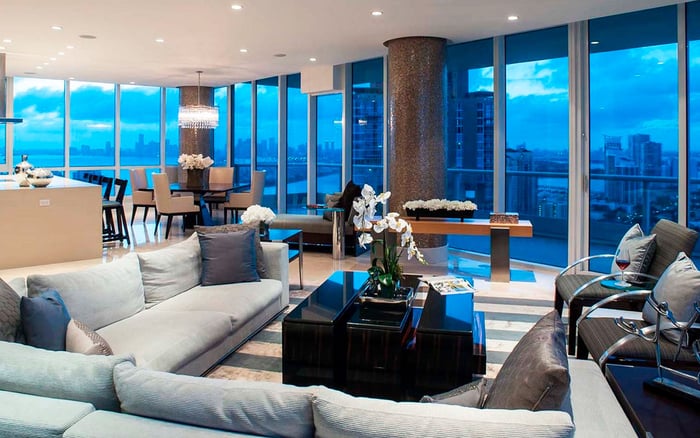
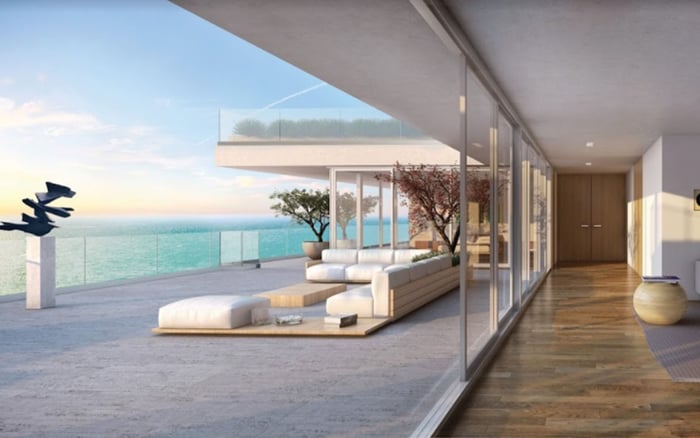
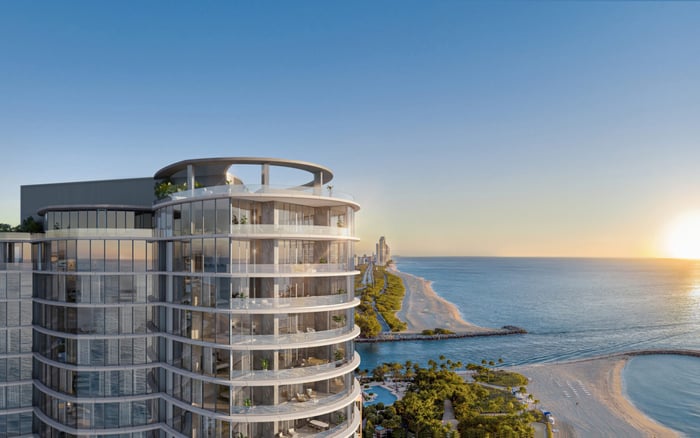
A discreet due-diligence guide for evaluating reserve study assumptions at Fendi Château Residences Surfside, with emphasis on oceanfront exposure, luxury finishes, funding levels, and resale implications.
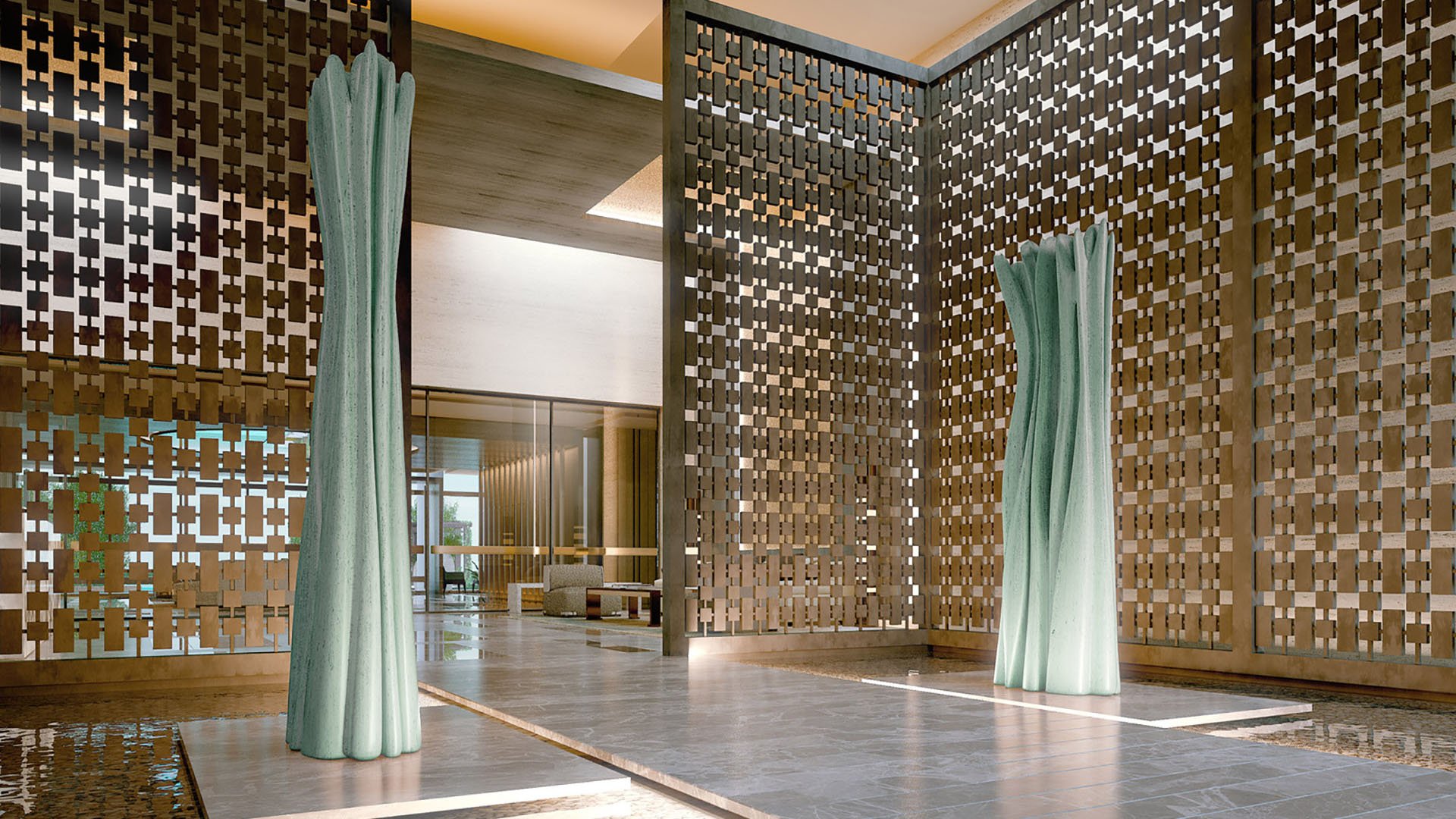
At Fendi Château Residences Surfside, reserve-study diligence should be treated as part of the acquisition itself, not as a late-stage document review. The building is a boutique ultra-luxury condominium on the ocean in Surfside, positioned near Bal Harbour and Miami Beach, with a design identity associated with Château Group and Fendi-branded expectations. That combination elevates the reserve conversation.
For a buyer, the question is not simply whether a reserve study exists. The more valuable question is whether the study understands the property it is modeling. A generic condominium reserve schedule may capture broad categories, but it can miss the sharper realities of an oceanfront branded residence: salt air, humidity, UV exposure, high-touch amenity spaces, specialized finishes, and replacement work that may require premium labor or longer procurement windows.
This is not a search for defects. It is a disciplined way to understand future capital obligations before closing, with the buyer’s attorney, engineer, reserve specialist, and condo-finance advisor reviewing the assumptions together.
The first request should be direct: does the reserve study treat Fendi Château Residences Surfside as a luxury oceanfront asset, or does it rely on cost assumptions closer to a conventional mid-market condominium? In South Florida, that distinction matters. The useful life of exposed systems, the cost of specialized repairs, and the standard of finish expected by owners can all differ materially from a more ordinary building.
This same discipline applies across Surfside’s boutique tier, where residences such as Arte Surfside and The Surf Club Four Seasons Surfside have helped define a market in which architecture, service, and finish quality are part of the asset value. Reserve planning should support that value over time, not merely satisfy a minimum spreadsheet exercise.
A buyer should ask for the reserve component list, the assumed useful lives, and the replacement-cost basis. If the document uses broad standard tables, ask whether those figures were adjusted for a direct coastal environment and for the standard of the building.
At an oceanfront condominium, the building envelope is the first line of financial defense. Ask whether the study specifically reserves for structural concrete, reinforcing steel protection, waterproofing systems, glazing, façade components, and life-safety infrastructure. These categories are not cosmetic. They are central to preserving the building’s physical integrity and owner confidence.
The ocean setting makes salt-air exposure, humidity, UV, waterproofing, façade systems, and hurricane-related wear especially important. A prudent buyer should ask what useful-life assumptions were assigned to these systems and whether those assumptions were shortened for oceanfront exposure. If the answer is no, the next question is why.
The reserve consultant’s level of inspection is also critical. Did the consultant inspect building-specific conditions, or rely mainly on standard tables and generalized useful-life estimates? A desk-based schedule may be useful as a baseline, but it is not the same as a property-specific view of a coastal luxury building.
Branded residences carry a different replacement conversation. Fendi-branded design expectations may involve finishes, materials, detailing, and owner standards that cost more to replace than standard condominium elements. Ask whether replacement-cost assumptions reflect bespoke or branded materials that may take longer to source than ordinary finishes.
The same applies to amenity areas. The reserve line items should be reviewed for high-end pools, outdoor spaces, spa, fitness facilities, and concierge-level amenity areas. These are not secondary features in a luxury building. They are part of the lived experience and part of how the property competes in the resale market.
A buyer comparing the north beach luxury corridor may also look at nearby high-design assets such as The Delmore Surfside or the Bal Harbour market represented by Oceana Bal Harbour. The lesson is not that reserve assumptions should be identical across buildings. It is that each association’s capital plan should be calibrated to the actual architecture, service program, exposure, and owner expectations of the property.
A strong reserve study is only one side of the diligence. The funding plan is the other. Ask whether association fees were historically set at levels that fully funded reserves, or whether early budgets may have prioritized lower carrying costs. Lower monthly fees can feel attractive, but if reserves are underfunded relative to projected capital needs, the issue may reappear through future increases or special assessments.
The buyer’s team should compare the current reserve balance with the study’s recommended funding level. If there is a gap, ask how the association intends to close it, whether through higher regular contributions, project-specific funding, or assessments. This question is especially important for buyers using financing, since reserve adequacy can affect both lender comfort and resale liquidity.
In the post-Surfside regulatory and buyer-lender environment, reserve diligence has become part of value protection. Buyers in Surfside and Bal Harbour increasingly want clarity on structural, envelope, insurance, and funding assumptions before they commit. For MILLION Buyer's Guides readers, the reserve conversation is less about fear and more about precision.
The most useful reserve review distinguishes among safety-critical systems, building-envelope protection, routine maintenance, and cosmetic amenity refreshes. A single reserve balance does not tell the full story. The sequencing of projects, the inflation assumptions, and the association’s willingness to fund capital needs are all part of the real answer.
Ask whether projected cost inflation, insurance-market pressure, hurricane risk, and luxury labor and material premiums are built into the long-term reserve model. South Florida’s construction environment can be specialized, and oceanfront work can be more complex than similar work inland. If the model assumes ordinary cost escalation, the buyer’s advisor should challenge that assumption.
Before the contract deadline, request the latest reserve study, current budget, reserve balance, meeting materials discussing capital projects, and any engineering or inspection materials available through the association process. Have an engineer read the physical assumptions, a reserve specialist read the cost and useful-life assumptions, an attorney review association authority and disclosure, and a condo-finance advisor consider lending implications.
What is the first reserve-study question to ask before buying at Fendi Château Residences Surfside? Ask whether the study models the property as a luxury oceanfront condominium rather than a generic mid-market building.
Why does oceanfront exposure matter for reserve assumptions? Salt air, humidity, UV, waterproofing stress, façade wear, and hurricane-related conditions can affect useful lives and replacement timing.
Which building systems deserve special attention? Focus on structural concrete, reinforcing steel protection, waterproofing, glazing, façade components, and life-safety infrastructure.
Should amenity areas be included in reserves? Yes. Pools, outdoor spaces, spa, fitness facilities, and concierge-level areas should be reviewed as meaningful capital components.
How do branded finishes affect the reserve study? Bespoke or branded materials may cost more and take longer to source than standard condominium finishes.
What should buyers ask about useful-life assumptions? Ask whether useful lives for key coastal systems were shortened to reflect oceanfront exposure and local wear conditions.
Why compare the reserve balance to the recommended funding level? A gap may indicate future fee increases or special assessments if capital needs exceed available reserves.
Can reserve adequacy affect resale or financing? Yes. In today’s buyer-lender environment, reserve strength can influence lender comfort and future resale liquidity.
Who should review the reserve materials? Use a coordinated team: attorney, engineer, reserve specialist, and condo-finance advisor.
Does asking these questions imply a problem at the building? No. These are standard due-diligence questions for understanding long-term ownership risk at a luxury coastal asset.
When you're ready to tour or underwrite the options, connect with MILLION.
If branded residences are on your mind — as a home or as an allocation — we would be glad to share what we are seeing, privately.
Begin a quiet conversation