A discreet buyer’s guide to choosing a Wynwood residence for cultural access, with attention to daily rhythm, privacy, parking, nearby districts, and long-term lifestyle fit.
Wynwood speaks to a precise luxury buyer: someone who wants culture embedded in the daily routine, not reserved for a scheduled outing. This is not the same brief as a beachfront purchase, a golf-club address, or a strictly financial pied-à-terre. The Wynwood buyer is typically weighing atmosphere, walkability, creative proximity, dining energy, and the feeling of being close to what is next.
That does not mean every buyer wants the same degree of immersion. Some want to be close enough to step out for an opening, dinner, or a design appointment, then return to a residence that feels composed and private. Others want the neighborhood itself to set the rhythm of the day. The distinction matters. Cultural access has value only when it complements the way the owner actually lives.
For a sophisticated Wynwood buyer, the strongest purchase is rarely about chasing novelty. It is about choosing a residence that delivers access without surrendering discretion. A buyer should ask how the building handles arrival, parking, deliveries, guest flow, sound, fitness, storage, pets, and security. In an active district, these practical details define the difference between occasional excitement and enduring comfort.
Start with your preferred rhythm. If the goal is frequent gallery visits, restaurant access, and a social evening routine, proximity to the neighborhood’s most active corridors may matter. If the goal is cultural adjacency with a quieter home life, a slightly calmer edge can be more compelling. In Wynwood, the right fit is often clarified by walking the area at several times of day and evaluating how the setting feels in the morning, late afternoon, and evening.
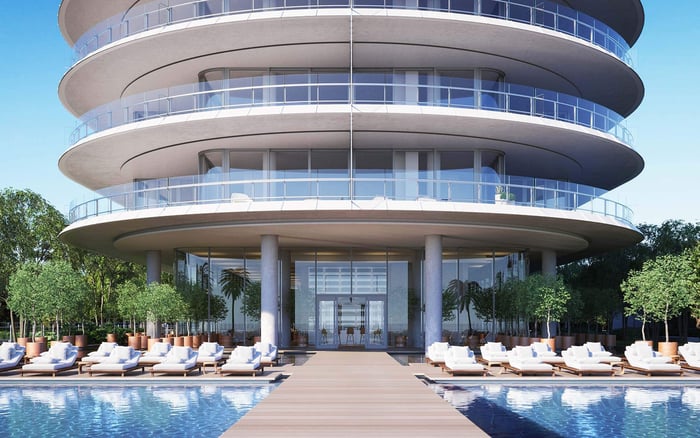
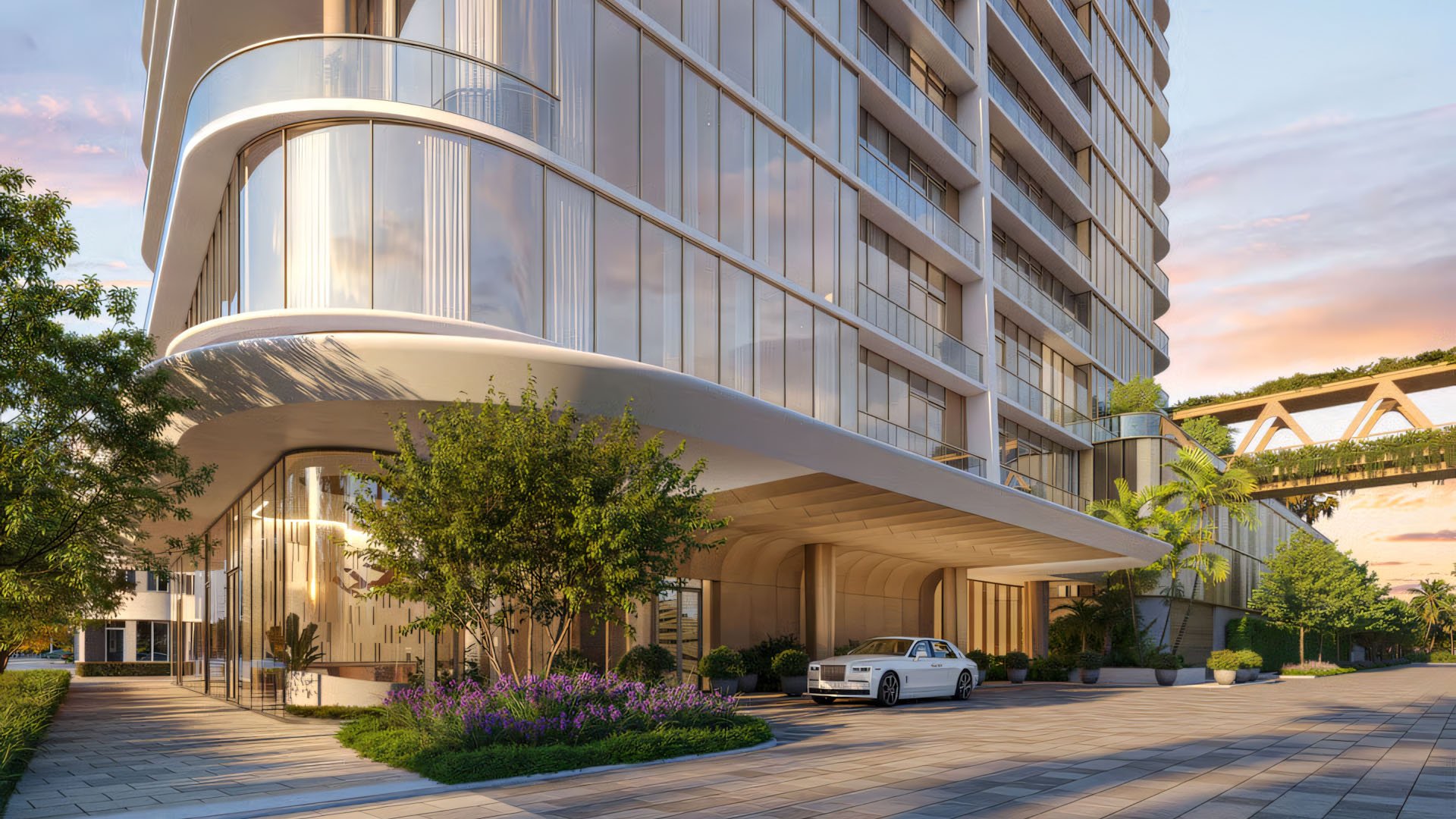
Next, assess the arrival sequence. A luxury buyer may welcome urban texture, but still expect a polished transition from street to residence. Covered arrival, valet logic, lobby scale, elevator privacy, and the way the building separates residents from visitors can matter greatly. These are not secondary details. They are the architecture of daily ease.
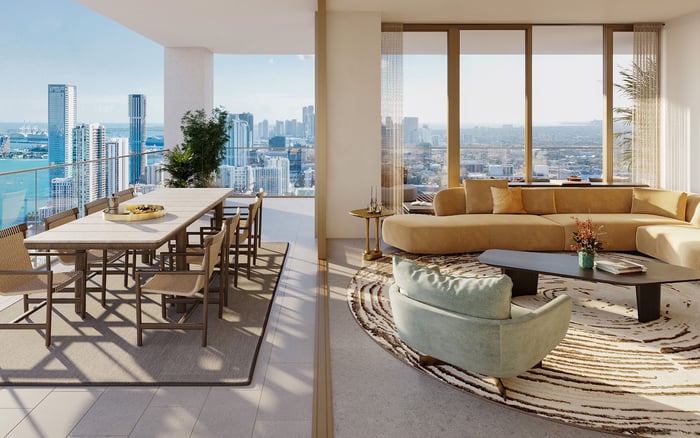
Finally, consider the residence as a retreat. The more stimulating the neighborhood, the more important the private interior becomes. Light, ceiling height, terrace usability, acoustic comfort, and bedroom separation should be evaluated with a sharper lens. Cultural access works best when the home offers calm at the end of the evening.
For buyers who want a direct Wynwood identity, Frida Kahlo Wynwood Residences belongs in the conversation because it places the residential search inside the neighborhood’s cultural frame. The appeal is not merely geographic. It is the idea of living where art, dining, and creative commerce are woven into the everyday environment.
Some buyers, however, will compare Wynwood with the nearby Design District, especially if their cultural access is tied to fashion, design, collectible objects, and a more curated retail rhythm. In that context, Kempinski Residences Miami Design District can serve as a useful reference point for buyers who want cultural proximity with a different tone of polish.
Edgewater is another comparison worth making. It can offer a calmer residential profile while keeping buyers connected to central Miami’s creative and dining orbit. A buyer considering EDITION Edgewater may be prioritizing water-adjacent serenity while still preserving easy access to Wynwood’s cultural scene.
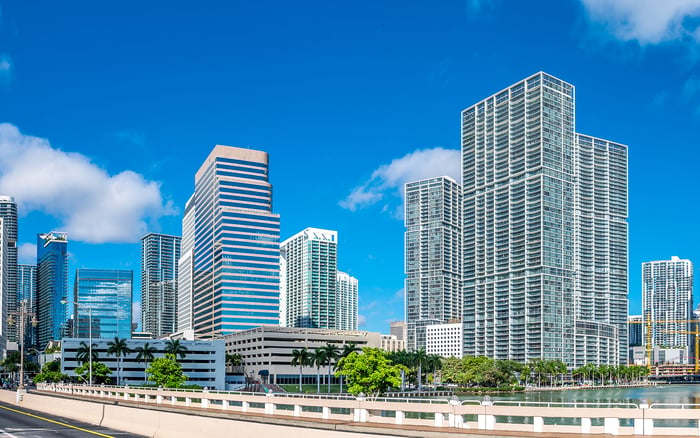
Brickell also enters the discussion for buyers who need a stronger business base. A residence such as 2200 Brickell speaks to a different daily pattern, one where offices, financial services, and established urban convenience may take priority, while Wynwood remains part of the owner’s social and cultural circuit.
In a neighborhood known for activity, quiet luxury becomes a practical discipline. A buyer should study whether the building feels private at the sidewalk, whether the lobby is calm, and whether resident areas are protected from unnecessary visibility. The question is not whether the neighborhood is energetic. The question is whether the residence is designed to let the owner decide when to engage.
Parking deserves particular attention. Cultural districts attract visitors, and a luxury owner should understand how the building manages resident parking, guest arrivals, ride-share patterns, and service access. Even buyers who do not drive daily should evaluate this carefully. Friction at arrival has a way of reducing the pleasure of a beautiful residence.
The same applies to storage and everyday logistics. Art buyers, collectors, frequent travelers, pet owners, and hosts all use a building differently. A residence that looks compelling in photographs may not function well if it lacks the right back-of-house support. The strongest buyer guidance focuses on the details that still matter after the first impression fades.
Wynwood should be evaluated by lifestyle fit, not by a generic idea of prestige. The Design District may feel more edited and retail-driven. Edgewater may feel more residential and visually open. Brickell may feel more corporate and convenient for business. Wynwood is the choice for buyers who want creative immediacy and a neighborhood with a strong point of view.
The right answer may also change by household. A single owner who entertains often may prioritize restaurants and cultural events within an easy radius. A couple splitting time between Miami and another city may care more about lock-and-leave convenience. A family may appreciate cultural access but need a building that provides more separation, security, and predictable routines.
This is where lifestyle priorities should lead the search. A buyer should be honest about whether they want to hear the neighborhood, watch it, join it, or simply live near it. Each preference can be valid, but each points to a different building, floor height, exposure, and interior plan.
A Wynwood purchase should feel intentional. The strongest buyers will not simply ask, “Is this close to culture?” They will ask, “Does this home make cultural access effortless while preserving my standard of privacy?” That is the central test.
Look for a residence that supports both movement and stillness. The building should make it easy to leave spontaneously and pleasant to return privately. The floor plan should allow entertaining without compromising personal space. The location should make the neighborhood feel available, not intrusive.
For the right buyer, Wynwood can offer a rare kind of urban ownership: artful, immediate, expressive, and distinctly Miami. For the wrong buyer, the same qualities can feel busy. The difference lies in precision. Choose the address that matches the life you already want to live.
Is Wynwood a good fit for luxury buyers who prioritize culture? Yes, if the buyer values creative energy, dining access, and an urban daily rhythm. The key is choosing a building that also provides privacy and calm.
Should I buy directly in Wynwood or nearby? Direct Wynwood living suits buyers who want immersion. Nearby areas may suit buyers who want cultural access with a quieter residential base.
What should I evaluate first during a Wynwood tour? Study the arrival experience, parking logic, lobby privacy, sound control, and how the residence feels at different times of day.
Does floor height matter in Wynwood? It can matter for privacy, light, and acoustic comfort. Buyers should compare exposures carefully rather than assuming higher is always better.
How does the Design District compare with Wynwood? The Design District often feels more curated and retail-oriented, while Wynwood tends to read as more creative, social, and street-level.
Why would an Edgewater buyer still care about Wynwood? Edgewater can offer a calmer residential setting while keeping Wynwood within an easy cultural and dining orbit.
Is Brickell a substitute for Wynwood? Not exactly. Brickell usually serves a more business-centered lifestyle, while Wynwood is more aligned with culture-led urban living.
What makes a Wynwood residence feel luxurious? Luxury comes from privacy, design quality, service, quiet interiors, seamless parking, and the ability to retreat from neighborhood energy.
Is Wynwood best for primary homes or second homes? It can work for either, depending on the buyer’s routine. Lock-and-leave convenience and building operations are especially important for second-home owners.
What is the main mistake buyers make in Wynwood? Buyers focus only on proximity to culture and overlook daily logistics. The best purchase balances access, privacy, comfort, and long-term usability.
For a tailored shortlist and next-step guidance, connect with MILLION.
If branded residences are on your mind — as a home or as an allocation — we would be glad to share what we are seeing, privately.
Begin a quiet conversation