A discreet buyer’s guide to evaluating private elevator access control, privacy, service protocols, guest permissions, and long-term governance before purchasing in Aventura.
In Aventura, private elevator access has become one of the quiet markers of a serious luxury residence. It is not merely a dramatic arrival moment or a polished lobby sequence. For a buyer, it is a daily privacy system that determines who can reach the residence, when they can arrive, how guests are authorized, and what happens when technology fails.
The most elegant buildings make access feel effortless. That ease can conceal layers of programming, association policy, staff protocol, and mechanical contingency planning. Before buying, especially in a waterfront tower, a penthouse, or a large family residence with frequent household staff, the essential question is not simply whether the elevator opens privately. The better question is who controls that privilege.
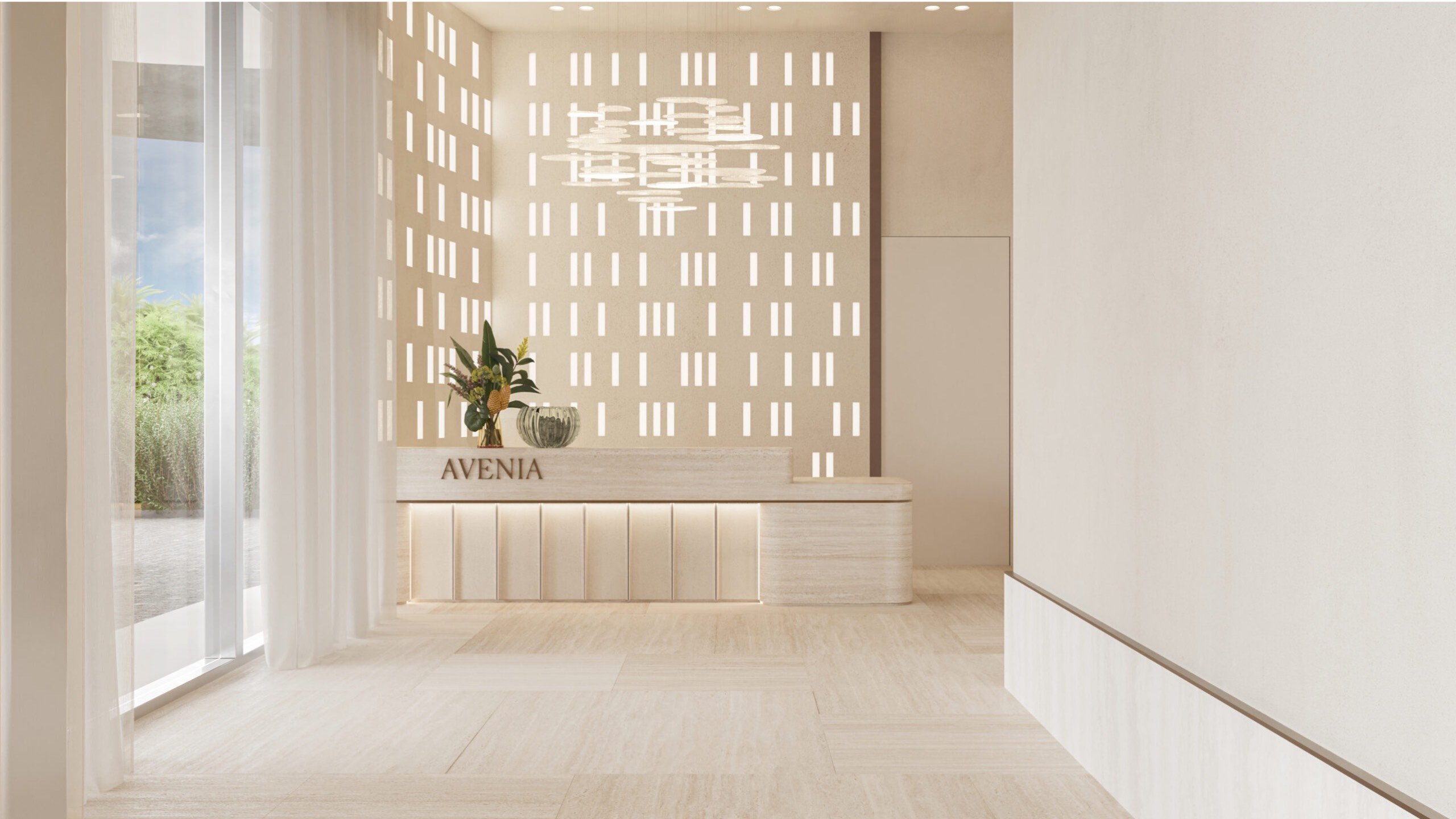
Aventura buyers often compare local options with nearby coastal and urban residences, from Avenia Aventura to high-design towers in Sunny Isles and North Miami. The point is not to assume one building operates like another. The point is to understand the exact access ecosystem attached to the unit you intend to own.
Begin with authority. Ask who can issue credentials, remove credentials, and approve temporary access. In some buildings, management may handle the process. In others, the association, security desk, concierge team, or a technology vendor may be involved. Your objective is to know whether access control is homeowner-led, management-led, or governed through a formal approval process.
Ask how many credentials are included with the residence, whether additional credentials carry fees, and whether credentials can be segmented by purpose. A full-time resident, visiting family member, housekeeper, nanny, chef, driver, dog walker, and contractor should not necessarily have identical access rights. A refined system allows the owner to think in tiers rather than all-or-nothing permissions.
Also ask what happens at closing. Credentials should be reset, former owner access should be revoked, and any recurring vendor access should be reviewed. This is a practical closing item, not an afterthought. The moment ownership changes, elevator permissions should reflect the new household.
The phrase private elevator can mean different things in conversation. Ask whether the elevator opens directly into the residence, into a private vestibule, into a shared vestibule, or onto a limited-access corridor. Each condition has a different privacy profile.
A direct-to-residence elevator creates a strong sense of exclusivity, but it also requires disciplined access management. A private vestibule can offer a valuable buffer, particularly for deliveries, staff arrivals, or moments when guests arrive before the host is ready. A semi-private arrangement may still feel luxurious, yet it should be evaluated honestly if privacy is a central purchase criterion.
For buyers moving between Aventura, Sunny Isles Beach, and North Miami, comparisons can be instructive. A buyer reviewing Bentley Residences Sunny Isles or One Park Tower by Turnberry North Miami should still ask the same granular questions: where does the elevator release, who can call it, and what stands between the cab and the home?
Guest access is where convenience and privacy often collide. Ask how visitors are admitted after being announced, whether the resident must authorize each visit, and whether recurring guests can be pre-cleared. If the building uses digital credentials, ask whether temporary credentials can expire automatically.
For entertaining, private elevators should support discretion without creating friction. A dinner guest should not feel processed through a fortress. At the same time, a social visit should not create uncontrolled access to a residential floor. Ask how the desk, valet, elevator system, and residence communicate during guest arrivals.
Also clarify delivery procedures. Luxury living depends on invisible choreography: flowers, wardrobe, wine, groceries, art handlers, and personal services. Ask whether deliveries go to the residence, a service area, a package room, or a staff entrance. A private elevator is only as refined as the protocols around it.
Many Aventura luxury households rely on teams. That makes staff access a central due diligence item. Ask whether staff can be limited by day, hour, floor, elevator bank, or destination. If the building offers a service elevator, ask when it must be used and whether household staff may use the private elevator under owner authorization.
Vendor access deserves equal attention. Contractors, designers, audio-visual technicians, cleaning teams, and maintenance providers may all need entry at different times. Ask whether vendors require insurance documentation, advance scheduling, identification at the desk, or escorting. These procedures may feel administrative, but they protect both the household and the building.
A well-run building should make service access orderly while preserving the owner’s privacy. If every vendor entry must be visible through the main arrival path, the residence may feel less discreet than the floor plan suggests.
Every access system needs a failure plan. Ask what happens during a power interruption, elevator outage, fire alarm condition, medical emergency, or technology malfunction. The answer should be clear, calm, and documented.
Private elevator access must never trap convenience inside complexity. Buyers should ask how emergency responders reach the residence, how management overrides access restrictions when appropriate, and how residents are notified if the system is impaired. If a residence depends heavily on direct elevator entry, secondary routes and manual procedures deserve special attention.
This is particularly important for owners who travel frequently, maintain the property as a second home, or host extended family. The system should be secure enough to protect privacy, yet practical enough to support real life when the unexpected occurs.
Condo documents can be more revealing than a sales presentation. Ask your attorney and advisor to review provisions related to common elements, limited common elements, elevator maintenance, security systems, access credentials, alterations, insurance responsibilities, and association authority.
For buyer due diligence, the key is governance. Can an owner install additional readers, cameras, locks, or smart-home integrations near the elevator vestibule? Who approves changes? Who owns the hardware? Who pays for repairs if a component serving one residence fails? The answers may affect not only privacy, but also future resale value.
New-construction buyers should pay close attention to what is promised, what is optional, and what is controlled by the association after turnover. Resale buyers should ask for current operating procedures, not only original marketing language.
Access control often creates records. Ask whether the building logs elevator calls, credential use, guest authorizations, delivery entries, and staff access. Then ask who can see those logs, how long they are retained, and under what circumstances they may be reviewed.
Discreet owners often focus on preventing unauthorized access, but privacy also includes information privacy. A building may know when a resident arrives, when staff enters, and when visitors leave. That may be appropriate for security, yet the governance should be defined.
Camera placement also matters. Ask whether cameras cover the elevator cab, vestibule, hallway, or entry threshold. A camera in a common area may be expected. A camera that captures the private life of the residence deserves careful review.
The most valuable elevator access systems feel intuitive. They do not require residents to manage constant exceptions, explain themselves repeatedly, or negotiate with inconsistent staff. During showings, ask to walk through the arrival sequence as a resident, a guest, and a vendor. The exercise can reveal more than a brochure.
In the broader South Florida context, buyers may tour highly serviced coastal residences such as Turnberry Ocean Club Sunny Isles or branded urban addresses such as The Residences at 1428 Brickell. The lesson for Aventura remains consistent: luxury is not the presence of technology. Luxury is the graceful coordination of technology, staffing, policy, and architecture.
A private elevator should make the home feel calmer. If the system is unclear, overly rigid, or casually managed, the amenity can become a source of anxiety. If it is well governed, it becomes part of the residence’s invisible architecture.
Is private elevator access the same in every Aventura luxury building? No. The term can describe direct-to-residence access, a private vestibule, or restricted floor access, so buyers should confirm the exact configuration.
Who should explain the elevator access rules before closing? Ask building management, the association representative, your real estate advisor, and your attorney to review the rules together.
Should access credentials be reset after purchase? Yes. A buyer should request confirmation that prior owner, guest, vendor, and staff credentials have been revoked or reissued.
Can guests receive temporary private elevator access? Some systems may allow temporary or pre-cleared access, but buyers should confirm how it works and when it expires.
What should penthouse buyers ask specifically? Penthouse buyers should ask about dedicated elevator stops, emergency access, service protocols, and any shared mechanical or vestibule areas.
Are staff and vendor permissions usually separate from resident access? They should be reviewed separately. The best approach is to define roles, schedules, and destinations rather than granting broad access.
What happens if the access-control system fails? Buyers should ask for the building’s manual override, emergency responder, and resident notification procedures.
Can an owner add cameras or smart locks near a private elevator? Possibly, but approval may be required. Review association rules before planning any additional security or automation.
Why do access logs matter to privacy-minded buyers? Logs can show credential use, arrivals, and guest activity, so owners should understand who can review them and how long they remain available.
What is the best way to shortlist comparable options for touring? Start with location fit, delivery status, and daily lifestyle priorities, then compare stacks and elevations to validate views and privacy.
When you're ready to tour or underwrite the options, connect with MILLION.
If branded residences are on your mind — as a home or as an allocation — we would be glad to share what we are seeing, privately.
Begin a quiet conversation