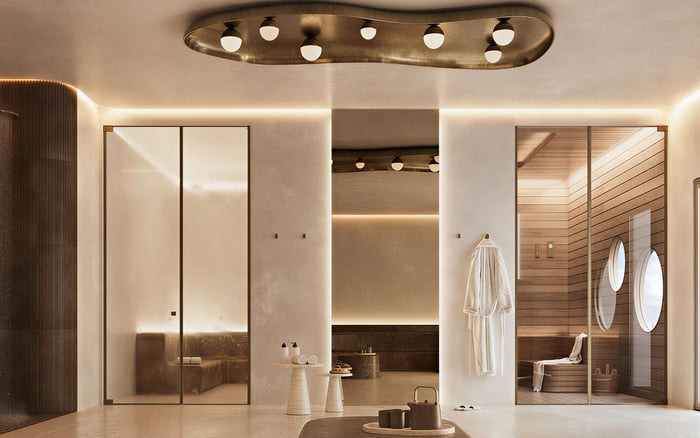
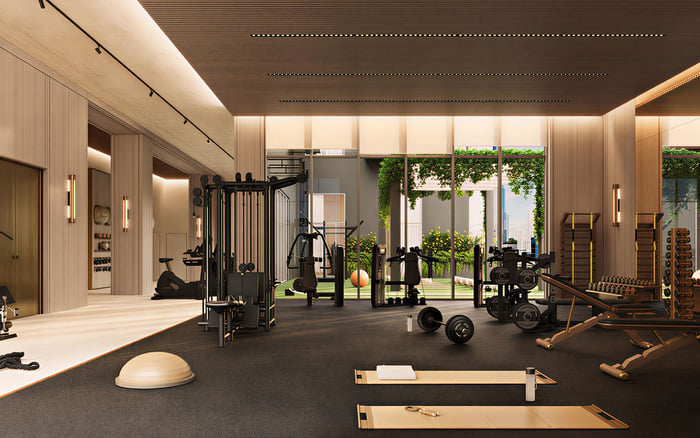
A practical luxury buyer’s guide to choosing a Brickell residence that minimizes daily management, simplifies ownership, and supports a polished, low-friction lifestyle.
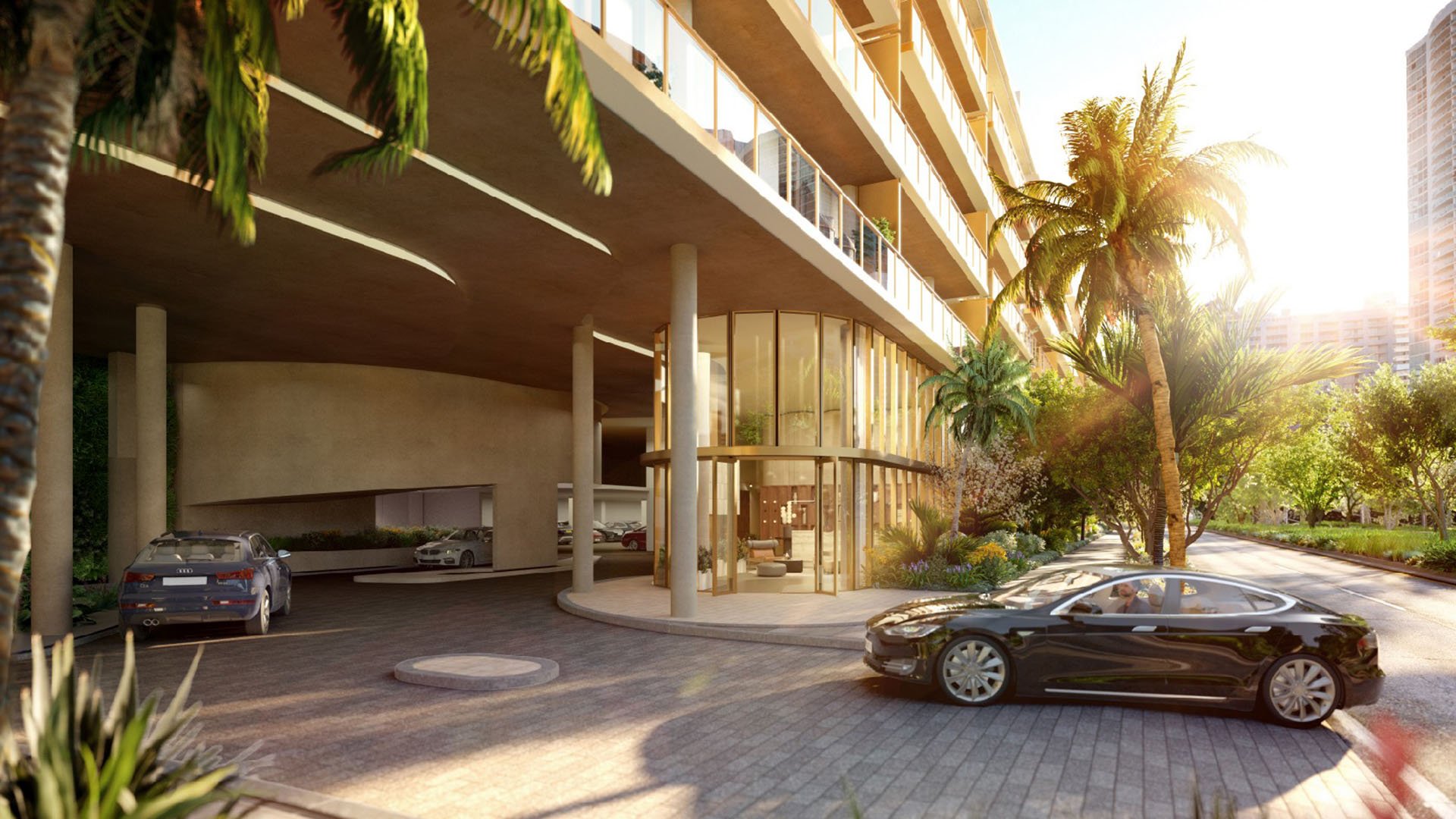
For many Brickell buyers, the decision is no longer only about views, finishes, or proximity to dinner reservations. Those elements still matter, but the more refined question is quieter: how much effort will this residence require once the keys are in hand?
Less operational friction means a home that does not constantly ask to be managed. It means a building where arrivals feel composed, packages do not become a project, guests are handled with discretion, service requests follow a clear path, and the daily choreography of elevators, parking, pets, staff, and deliveries does not erode the pleasure of living there. In a dense, vertical neighborhood such as Brickell, that kind of ease can become one of the most valuable luxuries.
This is why a buyer comparing 2200 Brickell with another address should look beyond sales gallery language and ask how the property will function on a Monday morning, a stormy Friday evening, or a high-traffic holiday weekend. The answer is rarely found in a single feature. It is the combined effect of design, governance, staffing, rules, access, and buyer fit.
The first mistake is treating operational ease as a vague feeling. Sophisticated buyers should define it before touring. For one owner, low friction means lock-and-leave simplicity. For another, it means a building that can accommodate family, drivers, domestic staff, frequent entertaining, and visiting guests without constant coordination. For an investor-minded buyer, it may mean a residence with clear rental policies and predictable building procedures, assuming those policies align with the intended use.
Create a private checklist. How often will the home be occupied? Will it serve as a primary residence, pied-a-terre, or second home? Will there be pets, children, staff, frequent deliveries, or multiple cars? Is privacy more important than social energy? Is the buyer seeking Move-In Ready convenience, or comfortable with New-construction timelines and decisions?
Brickell rewards buyers who are honest about rhythm. A dramatic tower may be ideal for someone who values hotel-like energy and brand presence. A calmer boutique feeling may better suit someone who wants fewer shared touchpoints. Neither is inherently better. The more precise question is whether the building’s operations match the owner’s life.
A low-friction purchase begins with disciplined review. Buyers should study the association structure, monthly costs, house rules, pet policies, leasing parameters, parking assignment, guest access, service elevator protocol, move-in procedures, insurance requirements, reserve posture, and any restrictions that affect daily use. These details are not decorative. They determine whether the residence will feel effortless or administrative.
Parking deserves special attention. In Brickell, a beautiful residence can feel less graceful if arrivals are consistently inconvenient. Understand assigned spaces, valet practices, EV charging possibilities if relevant, guest parking, loading zones, and how drivers or car services are handled. The same is true for elevators. A buyer should ask how residents, guests, service providers, deliveries, and moves are separated or coordinated.
Operational quality also depends on communication. A well-run building typically has clear channels for maintenance requests, front desk matters, package handling, and rule enforcement. Buyers should not assume that a high-design lobby automatically translates into strong management. Design attracts attention. Operations preserve satisfaction.
Brickell buyers often gravitate toward three broad expressions of luxury: branded, boutique, and amenity rich. Branded Residences can appeal to those who want a more defined service culture and an identity that extends beyond the unit itself. A buyer drawn to Cipriani Residences Brickell or 888 Brickell by Dolce & Gabbana is likely responding not only to architecture or interiors, but to the promise of a curated atmosphere.
That said, brand alone is not a substitute for fit. The right diligence still asks how the residence is entered, how guests are received, how amenities are governed, what is included, what requires separate booking, and what happens when many owners want the same service at once. Luxury is most convincing when it remains graceful under pressure.
Boutique or more residential-feeling buildings may reduce the number of daily interactions, which some buyers prefer. Amenity-rich properties may offer more convenience inside the building, but they can also require more rules, scheduling, and shared-space management. The best choice depends on whether the buyer wants maximum in-building optionality or fewer operational layers.
Buyers often evaluate a floor plan aesthetically, but it is also an operations document. The placement of the entry, kitchen, laundry, powder room, secondary bedrooms, storage, terrace access, and staff-friendly circulation can determine whether the home lives smoothly. A residence can photograph beautifully and still function awkwardly for a buyer who entertains often, receives frequent deliveries, or needs separation between family life and service activity.
Before falling in love with a view, walk through a normal day. Where do groceries land? Where does luggage go after a late flight? Can a guest use a powder room without crossing private areas? Is there room for seasonal storage? Does the terrace create usable outdoor living or simply a visual gesture? If the home will be managed while the owner is away, is there a clear way for approved service providers to access and maintain it?
At The Residences at 1428 Brickell, as with any high-end Brickell address, the serious buyer should evaluate not only what the residence looks like, but how it supports the owner’s preferred pace of life. The most elegant home is often the one that removes decisions.
Operational friction has a cost, even when it does not appear as a line item. Time spent coordinating vendors, clarifying rules, managing access, navigating unclear communication, or adapting to a building culture that does not fit can diminish the value of an otherwise impressive purchase. For a luxury buyer, the opportunity cost is personal bandwidth.
This is especially relevant for Investment buyers and second-home owners. The question is not simply whether a residence can be owned from afar. It is whether the building’s procedures, staffing, policies, and communication style make remote ownership feel controlled. The right property should reduce uncertainty, not create a series of small decisions that accumulate.
Many buyer’s guides focus on location, price, and finishes. In Brickell, the more advanced lens is operational compatibility. A buyer considering St. Regis® Residences Brickell, for example, should still ask the same practical questions about access, rules, service, ownership rhythm, and long-term ease. Prestige may open the conversation, but operations determine daily satisfaction.
A strong comparison should separate emotion from mechanics. After each tour, score the building on arrival, privacy, parking, elevators, package handling, staff interaction, amenity usability, pet convenience, guest flow, service access, noise sensitivity, and clarity of rules. Then score the residence itself on storage, circulation, terrace usability, maintenance burden, natural light, privacy, and flexibility.
The goal is not to strip away romance. It is to protect it. A buyer should still want beauty, view, architecture, and presence. But the best Brickell purchase is the one where those pleasures are not undermined by avoidable complications. When two residences are otherwise comparable, the lower-friction home may be the wiser luxury decision.
What does operational friction mean in a Brickell condo purchase? It refers to the daily effort required to live in, manage, access, maintain, and enjoy the residence after closing.
Is a branded residence always lower friction? Not automatically. A brand can suggest a curated experience, but buyers still need to review rules, staffing, access, and service procedures.
Should I prioritize amenities or simplicity? Prioritize the option that fits your lifestyle. More amenities can add convenience, while simpler buildings may feel calmer and easier to navigate.
Why does parking matter so much in Brickell? Parking shapes daily arrivals, guest visits, vendor access, and overall convenience, especially in a dense urban setting.
Are New-construction condos easier to own? They can offer modern systems and fresh finishes, but buyers should still understand timelines, rules, warranties, and building operations.
Is Move-In Ready better for a low-friction buyer? Often, yes, if the buyer wants immediate use and fewer design or construction decisions after closing.
How should second-home buyers evaluate operations? They should focus on communication, access control, maintenance coordination, security, and the ease of managing the residence while away.
Do house rules affect luxury living? Yes. Rules around guests, pets, rentals, deliveries, moves, and amenities can materially shape the ownership experience.
What is the biggest mistake Brickell buyers make? Many focus on finishes before understanding how the building functions in daily life.
When should operational diligence begin? It should begin before an offer, so the buyer can compare properties on lifestyle fit as well as appearance.
If you'd like a private walkthrough and a curated shortlist, connect with MILLION.
If branded residences are on your mind — as a home or as an allocation — we would be glad to share what we are seeing, privately.
Begin a quiet conversation