A buyer-focused guide to the deductible questions that matter before purchasing luxury real estate in Pompano Beach, from hurricane percentages and flood coverage to condominium master policies and surplus-lines carriers.
In Pompano Beach, even the most elegant residence can carry a complex insurance profile. For luxury buyers, the premium is only the first number. The more consequential question is often what you would pay out of pocket after a covered loss, especially when a policy relies on percentage-based catastrophe deductibles rather than fixed-dollar deductibles.
Before signing a contract, request a written deductible schedule showing every deductible that may apply. That includes hurricane, windstorm or named-storm, flood, and all-other-perils deductibles. The schedule should be specific to the exact property, not a sample summary. A waterfront condominium, a furnished penthouse, and a single-family estate may each carry different layers of exposure.
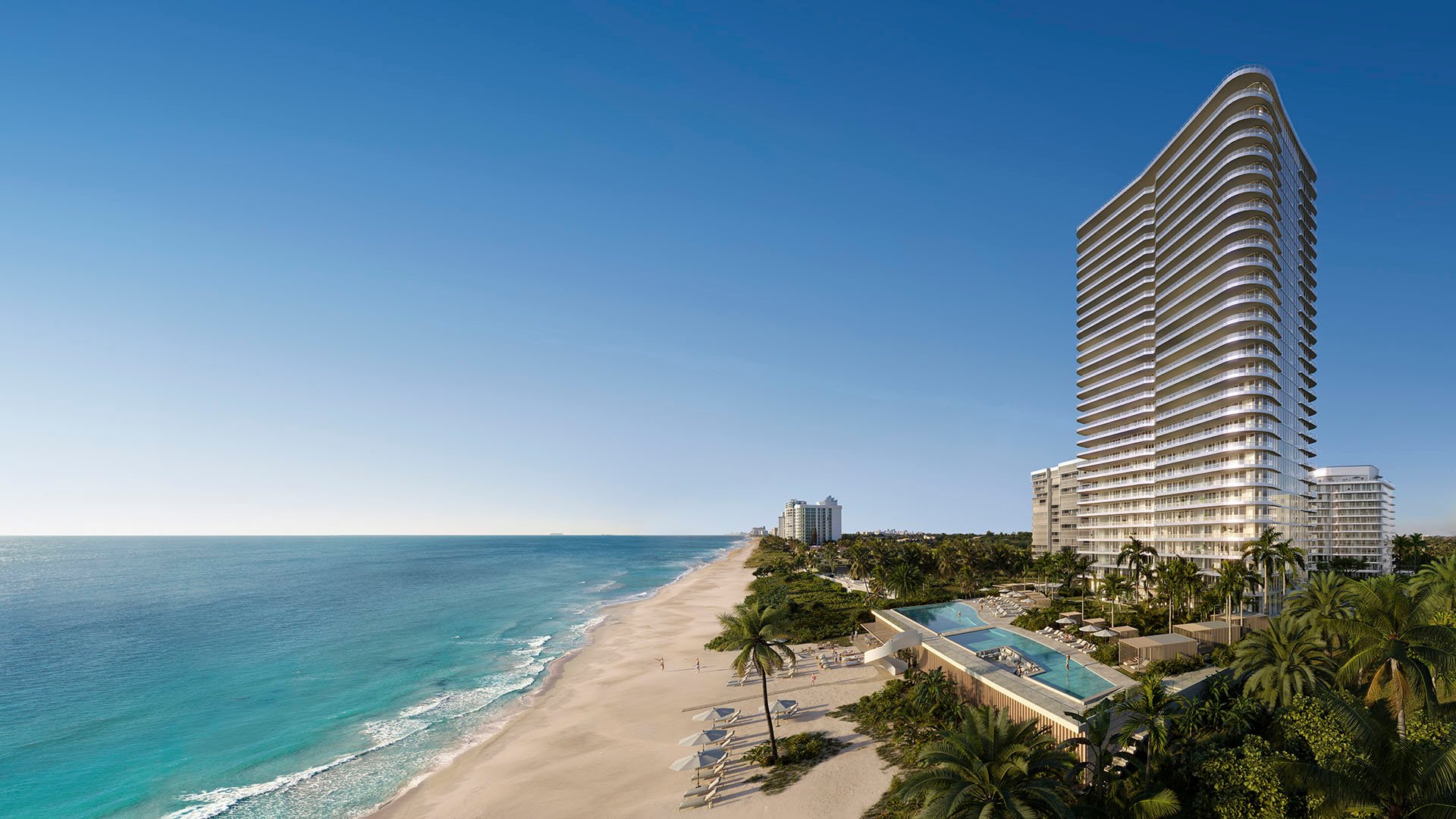
This is particularly important for buyers comparing Oceanfront and New-construction residences in Pompano-beach, where design, elevation, association insurance, and carrier appetite can all influence the structure of coverage.
Florida residential hurricane deductibles may be expressed as a percentage. In the luxury tier, that can turn a clean-looking policy into a significant cash-reserve question. A 2% hurricane deductible on $5 million of insured value equals $100,000 out of pocket. A 5% deductible equals $250,000.
The issue is not simply whether the deductible is acceptable. It is whether the buyer understands which value the percentage applies to, whether that value is building coverage, dwelling coverage, or another insured amount, and whether the deductible fits the buyer’s liquidity plan.
When evaluating residences such as Armani Casa Residences Pompano Beach or The Ritz-Carlton Residences® Pompano Beach, ask the insurance professional to model the deductible as a dollar amount under several scenarios. The goal is to understand the check you might write after a major storm, not simply the annual premium due at closing.
A hurricane deductible is not necessarily triggered by every windy day or every named system. Ask exactly what activates it, and how the policy defines the applicable coverage period. Florida’s hurricane coverage framework turns on hurricane conditions and official watch or warning periods, so policy language matters.
Also ask whether a separate windstorm or named-storm deductible appears in the policy. In some situations, the distinction between hurricane, named storm, windstorm, and all-other-perils can determine which deductible applies. Luxury buyers should request a written explanation rather than relying on verbal shorthand.
One more point is essential: ask whether the hurricane deductible applies once per calendar year. Florida residential policies generally treat hurricane deductibles on an annual basis rather than applying a full separate hurricane deductible to every covered hurricane claim. That distinction can materially affect post-storm planning if multiple events occur in one season.
Standard homeowners insurance generally does not cover flooding, so a separate flood quote should be part of the acquisition file. This is true even when a residence is newly built, professionally managed, or located in a prestigious tower. Flood risk is address-specific, and buyers should check the exact property address through the applicable public flood-map system before closing because flood-zone status can affect requirements and pricing.
For furnished luxury homes and designer-finished units, ask whether building coverage and contents coverage carry separate flood deductibles. A policy that appears adequate for the structure may still leave meaningful exposure for interiors, art-adjacent furnishings, electronics, wardrobe storage, and other contents.
Waterfront buyers should also ask how property outside the insured building is treated. Docks, seawalls, pools, decks, outdoor kitchens, terraces, and similar exterior features may face flood-policy limitations. For residences such as Ocean 580 Pompano Beach and W Pompano Beach Hotel & Residences, the right question is not only what is beautiful, but what is insured, what is excluded, and which deductible applies.
For a condominium purchase, request the association’s master insurance policy and deductible schedule before closing. The master policy is not a formality. Florida condominium law generally makes the association’s hazard policy primary for covered condominium property, which means buyers need to understand where the association policy ends and the unit-owner policy begins.
Ask how master-policy deductibles are allocated. Many association insurance costs and deductibles are treated as common expenses unless the governing documents provide otherwise. That means a deductible event may become a shared financial issue, not only a private insurance matter inside one residence.
The interior boundary is equally important. Ask what items are excluded from the association’s policy, including personal property, floor coverings, wall coverings, appliances, built-in fixtures, cabinetry, window treatments, and other unit-owner elements. A highly customized residence can carry more interior exposure than a buyer expects, especially if the unit-owner policy was quoted without a full inventory of finishes.
The deductible is only one part of the risk conversation. Ask whether the insurer is admitted or surplus lines. Surplus-lines coverage can be an important part of the high-value coastal market, but it sits outside the usual state guaranty-protection framework. That does not make it unsuitable, but it does make due diligence more important.
If coverage is offered through the state’s residual-market property insurer, ask how eligibility rules, coverage limitations, and deductible options affect the property. The buyer should understand whether the policy is intended as a long-term solution or a bridge while the market is shopped.
Also ask whether wind-mitigation features can improve pricing or deductible options. Insurers must consider windstorm loss-mitigation discounts, credits, or rate differentials, so documentation can matter. For luxury residences, that may include impact protection, roof characteristics, opening protection, and other features that should be reviewed by a qualified insurance professional.
A sophisticated buyer should not evaluate insurance in isolation. Deductibles should be folded into the broader purchase analysis alongside reserves, association budgets, financing conditions, renovation plans, and holding costs. The right question is: after a covered storm or flood event, what cash obligations could arise before reimbursement, repair, or assessment recovery?
Ask for sample policy forms, declarations pages, condominium governing documents, current master-policy schedules, flood quotes, and written deductible scenarios from a Florida-licensed insurance professional. Review historical storm activity near Pompano Beach using a reputable hurricane-track tool, then decide whether a higher deductible is a rational premium tradeoff or an unnecessary concentration of risk.
For an ultra-premium buyer, precision is a luxury. Knowing the deductible architecture before closing can protect the experience of ownership after closing.
What deductible schedule should I request before buying? Ask for a written schedule covering hurricane, windstorm or named-storm, flood, and all-other-perils deductibles for the exact property.
Why do percentage deductibles matter so much in luxury real estate? Because the percentage is applied to insured value, a 2% deductible on $5 million equals $100,000 and a 5% deductible equals $250,000.
Does the hurricane deductible apply to every storm claim? Florida residential policies generally apply hurricane deductibles on an annual basis, but you should confirm the exact wording before closing.
What triggers a hurricane deductible? Ask how the policy defines hurricane coverage, including the storm conditions and official watch or warning periods that activate it.
Is flood insurance included in homeowners insurance? Standard homeowners insurance generally does not cover flooding, so buyers should request a separate flood quote.
Can building and contents flood deductibles be different? Yes. Ask whether the structure and contents have separate deductibles, especially for furnished residences with expensive interiors.
Are docks and outdoor kitchens covered by flood insurance? Flood policies may limit coverage for property outside the insured building, including docks, seawalls, pools, decks, and outdoor kitchens.
What should a condo buyer review before closing? Review the association master policy, deductible schedule, governing documents, and the unit-owner policy needed to cover interior gaps.
Can a condo master-policy deductible become my expense? It can be allocated as a common expense unless the condominium documents provide otherwise, so review the allocation carefully.
Should I ask whether the insurer is admitted or surplus lines? Yes. Surplus-lines coverage may be useful in coastal markets, but it does not carry the same guaranty-protection framework as admitted coverage.
When you're ready to tour or underwrite the options, connect with MILLION.
If branded residences are on your mind — as a home or as an allocation — we would be glad to share what we are seeing, privately.
Begin a quiet conversation