A discreet buyer’s guide to the deductible questions that matter before acquiring a luxury residence in Miami Beach, from wind and flood exposure to condo association coverage and closing strategy.

In Miami Beach, insurance is not a line item to revisit after falling in love with a terrace, a private elevator foyer, or a perfectly framed Atlantic view. For a sophisticated buyer, the deductible structure is part of the asset itself. It shapes liquidity planning, lender comfort, closing timelines, and the true cost of ownership after an event.
The premium may receive the most attention, but the deductible is where the policy becomes personal. A residence can appear well insured and still leave the owner with a significant out-of-pocket obligation before coverage responds. That is especially relevant in a market where oceanfront homes, high-rise condominiums, and branded residences may each carry distinct insurance architecture.
Before signing off on due diligence, buyers should ask precise questions. The goal is not to predict every possible scenario. It is to understand which party pays first, how much is due, which policy responds, and whether the building’s coverage and the owner’s coverage work together cleanly.
The first question is simple: which deductibles apply to this property? A luxury residence may involve more than one deductible category. Ask about wind, named storm, hurricane, flood, water damage, theft, liability, and all other perils. Each category may be treated differently.
A percentage deductible deserves particular scrutiny because it may be calculated against an insured value rather than a convenient budget figure. A fixed deductible is easier to model. A percentage deductible can be more consequential, especially for high-value property. Buyers should request a plain-language explanation of how each deductible is calculated and when it would apply.
The second question is timing. Is the deductible applied per claim, per occurrence, per building, per unit, or per policy period? A buyer should not assume that one deductible answers every loss event. The distinction can matter for cash planning and for the way a claim is coordinated between a condominium association and an individual owner.
In a Miami Beach condominium, the association’s master policy is only part of the answer. Buyers should review what the association insures, what the unit owner must insure separately, and where responsibility shifts. The question is not merely whether the building is insured. The more useful question is: what is excluded from the master policy that the owner must cover?
That distinction is central for buyers considering residences such as 57 Ocean Miami Beach, where the lifestyle proposition may be elegant and simple, but the insurance review should remain meticulous. Ask whether interior finishes, built-ins, appliances, flooring, window treatments, and personal property fall under the owner’s policy. Also ask whether upgrades installed by a prior owner are treated differently from original finishes.
Request the current certificate of insurance, declarations pages, deductible schedule, and any recent insurance-related association communications available during diligence. A summary is useful; the actual deductible language is better. Your attorney, insurance advisor, and lender should all be reviewing the same documents.
Luxury buyers often focus on monthly maintenance, reserves, and building amenities. Insurance deductibles add another layer: potential loss assessments. If a building faces a deductible or uninsured amount after a covered event, owners may be asked to contribute through the association structure, depending on governing documents and the facts of the loss.
The question to ask is direct: if the association incurs a deductible after a storm or other loss, can any portion be assessed to unit owners? If yes, how would that allocation be calculated? Would it be equal per unit, based on ownership percentage, or handled another way under the condominium documents?
Buyers should also ask whether their personal condominium policy can include loss assessment coverage, and whether that coverage would respond to the types of deductibles most relevant to the building. The answer may vary by policy language, so the inquiry should be made in writing before closing.
Miami Beach buyers should treat flood separately, not as an assumption folded into wind or general property coverage. Ask whether the property, building, garage, lobby areas, storage, mechanical spaces, and common elements are covered for flood loss, and which deductible applies. Also ask whether the owner’s personal policy covers contents, improvements, temporary housing, and additional living expenses related to a flood event.
For buyers comparing new and established buildings, the deductible conversation should be paired with questions about elevation, building systems, drainage, and how essential equipment is protected. In a search file, the shorthand “Miami Beach” can mask very different exposures from one street, tower, or waterfront condition to another.
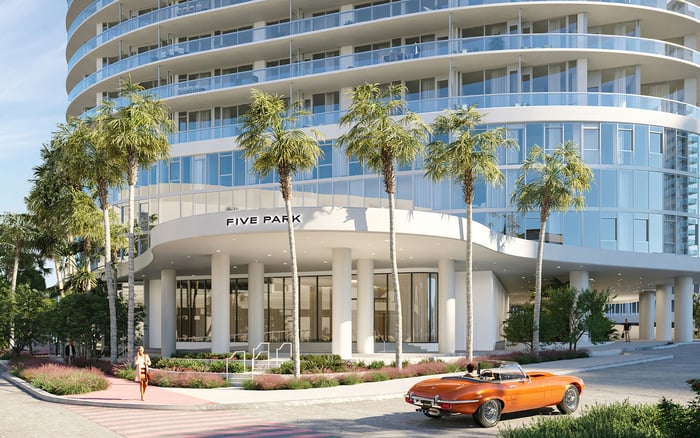
A residence at Five Park Miami Beach may prompt different practical questions than a boutique waterfront building, not because one answer is automatically better, but because each building’s documents, systems, and insurance program must be read on their own terms.
Cash buyers still need discipline, but financed buyers have another audience: the lender. Insurance deductibles can affect loan approval if they do not satisfy lender requirements. Ask early whether the lender has limits on deductible types, deductible amounts, or policy forms. Waiting until late in the closing process can create avoidable pressure.
The lender’s review should not replace the buyer’s review. A policy can satisfy financing requirements while still leaving the owner with a deductible exposure that feels uncomfortable. Conversely, a buyer may accept a larger deductible as part of a broader liquidity plan, provided the lender permits it and the risk is understood.
Before the inspection or condominium document review period expires, align the lender, insurance advisor, attorney, and real estate advisor. The best time to renegotiate, request clarification, or walk away is before contractual leverage has narrowed.
In properties with hospitality-style amenities, beach services, food and beverage components, or rental-related programs, buyers should ask how residential coverage interacts with the broader operation. The issue is not branding. It is clarity. Which entity insures what? Which deductible applies to shared amenities? How are claims managed when residential, commercial, and common-area interests overlap?
This matters when evaluating high-touch offerings such as Shore Club Private Collections Miami Beach and The Ritz-Carlton Residences® Miami Beach. Ask whether the governing documents describe insurance responsibilities for private residences, common spaces, limited common elements, parking, cabanas, storage, and any areas reserved for particular owners.
If the residence may be used as a second home, ask how occupancy patterns affect coverage. If staff, guests, or family members will use the property, confirm how liability and contents coverage should be structured. If any rental use is contemplated, confirm whether the policy permits it and whether a different deductible or exclusion may apply.
A refined acquisition model should include more than purchase price, taxes, association dues, and premiums. It should also include a deductible reserve. Treat deductibles as possible liquidity events, not theoretical fine print.
Ask your insurance advisor to show a simple scenario analysis: one minor claim, one water-related claim, one storm-related claim, and one association deductible event. The purpose is not to dramatize risk. It is to understand whether the ownership structure, cash reserves, and family office procedures can respond without disruption.
For ultra-premium buyers, this analysis can also influence title, trust, or entity planning. The owner of record, named insured, additional insured parties, mortgagee clauses, and property manager responsibilities should be consistent. A beautiful residence can still create administrative friction if the insurance file does not match the way the asset is actually owned and used.
Before moving forward, request written answers to a concise set of questions. What deductibles apply? How are they calculated? Which deductibles belong to the association and which belong to the owner? Can association deductibles be assessed to owners? What does the personal policy need to cover inside the residence? What is excluded? How does flood coverage work? Does the lender approve the structure? Are there claim-related procedures the owner must follow immediately after a loss?
The most elegant transactions are rarely the ones with no complexity. They are the ones where complexity is surfaced early, priced intelligently, and documented cleanly. In Miami Beach, that discipline is part of luxury ownership.
What is the most important deductible question to ask first? Ask which deductibles apply to the residence and whether they are fixed amounts or percentage-based obligations.
Does the condo association’s insurance protect everything inside my unit? Not necessarily. You should confirm where the master policy ends and where your individual condominium policy begins.
Can a building deductible become my personal cost? It can be possible through an association assessment, depending on the governing documents and the circumstances of the loss.
Should I review flood deductibles separately? Yes. Flood coverage and flood deductibles should be reviewed as their own category, not assumed to be included elsewhere.
Do lenders review insurance deductibles before closing? Often, yes. A lender may require that the property’s insurance structure meet its underwriting standards before loan approval.
Is a lower deductible always better? Not always. A lower deductible may come with a different premium structure, so the decision should be evaluated with liquidity and risk tolerance in mind.
What documents should I request during condo due diligence? Ask for the certificate of insurance, declarations pages, deductible schedule, and relevant association insurance communications available for review.
Should second-home owners ask different insurance questions? Yes. Occupancy, guests, staff access, and periods of vacancy can affect how coverage should be structured.
Do luxury finishes need special attention? Yes. Confirm whether custom improvements, built-ins, flooring, and appliances are covered by the owner’s policy or another policy.
When should I bring in an insurance advisor? Ideally before contingency deadlines, so deductible concerns can be addressed while the buyer still has negotiating flexibility.
If you'd like a private walkthrough and a curated shortlist, connect with MILLION.
If branded residences are on your mind — as a home or as an allocation — we would be glad to share what we are seeing, privately.
Begin a quiet conversation