A refined look at why a culinary weekend anchored by South Beach can make Downtown Miami feel like the more strategic base for a South Florida pied-à-terre.
For many affluent buyers, the South Florida pied-à-terre begins with a simple premise: a polished place to land for a long weekend, a cultural event, a winter interval, or a spontaneous dinner reservation. The South Beach Wine & Food Festival sharpens that premise because it compresses the region’s pleasures into a few highly social days. Dining, beach culture, private gatherings, hotel lounges, gallery detours, and late departures all become part of one itinerary.
That is precisely why the best base is not always the most literal one. A residence at the center of the excitement may seem efficient, but the more sophisticated question is whether the home improves the full rhythm of the trip. A better-positioned pied-à-terre should help its owner move gracefully between South Beach, Brickell, Downtown, Coconut Grove, the Design District, and the airport, without feeling captive to any single scene.
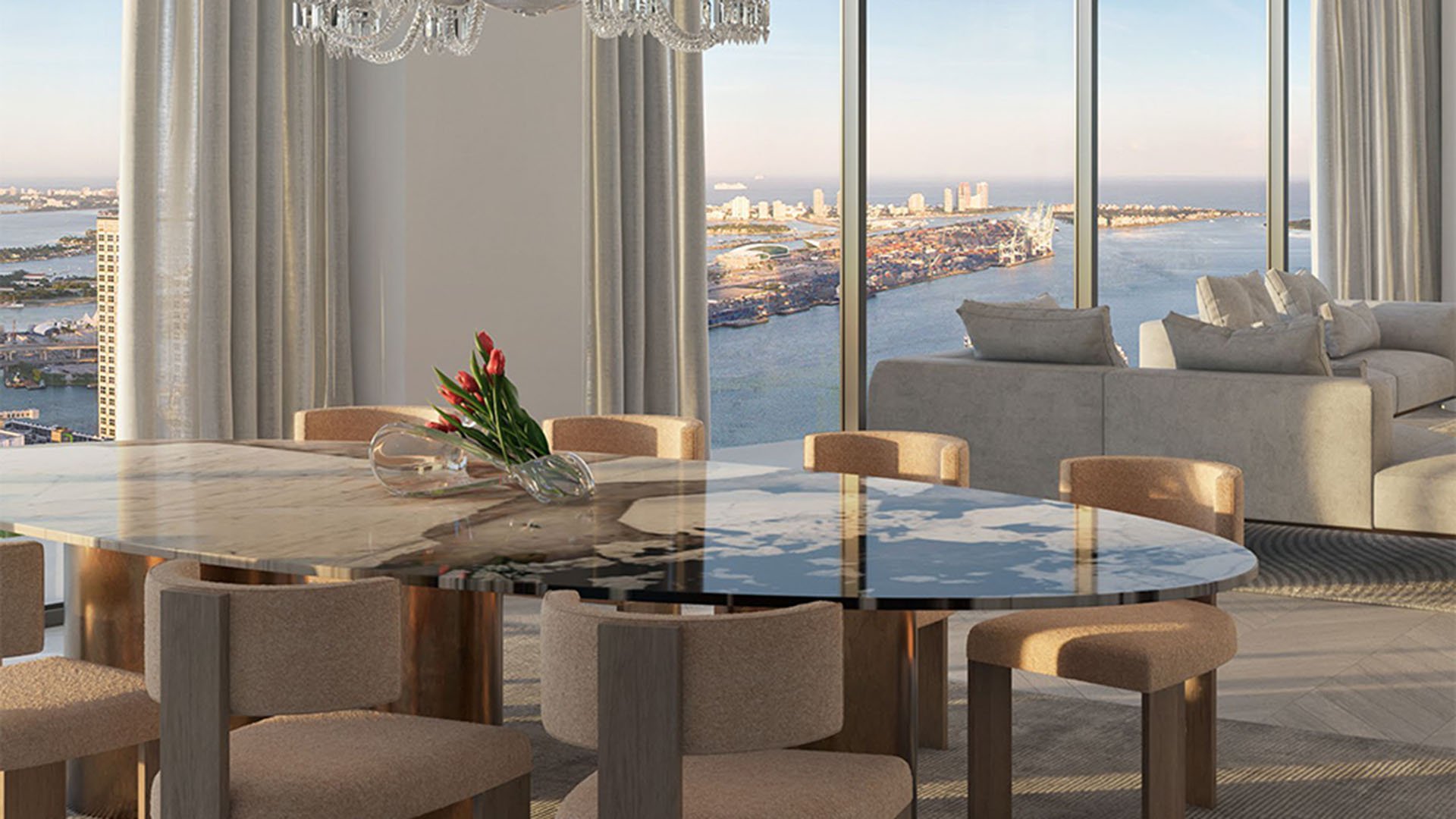
Downtown Miami increasingly belongs in that conversation as a strategic midpoint. It can offer proximity without overexposure, skyline energy without beach congestion, and access to both the mainland and the causeways. For buyers who already understand South Florida, that balance may be more valuable than a postcard address.
A festival weekend is a revealing stress test. The owner wants the freedom to attend a beachfront tasting, host friends for drinks, return for a quiet change of clothes, and then cross into another neighborhood for dinner. Downtown supports that itinerary because it is not merely a place to sleep. It is a connective urban base.
This is where Downtown becomes more than a convenience play. Residences such as Waldorf Astoria Residences Downtown Miami speak to buyers who want a globally legible address in the city’s vertical core, while still keeping South Beach within reach. The appeal is not that the festival moves Downtown. It is that the owner’s life during the festival can feel less fragmented.
A Downtown residence can also function beyond the festival calendar. It can support a client dinner, an arts weekend, a board meeting, a cruise departure, a family visit, or a few quiet days between longer trips. That flexibility is the essential measure of a true second home. The property should be useful when the city is glamorous, but also when it is simply lived in.
Ultra-premium buyers rarely purchase for one event alone. They purchase for patterns. The South Beach Wine & Food Festival is useful because it reveals those patterns clearly: where one likes to dine, how often one crosses the bay, whether guests prefer beach energy or city polish, and how much privacy matters after a crowded evening.
A better-positioned pied-à-terre is often the one that reduces friction. It does not force the owner to choose between Miami Beach and the mainland. It allows both. The owner can enjoy the culinary intensity of South Beach, then return to a building where arrival, parking, valet flow, lobby discretion, and elevator privacy matter as much as the view.
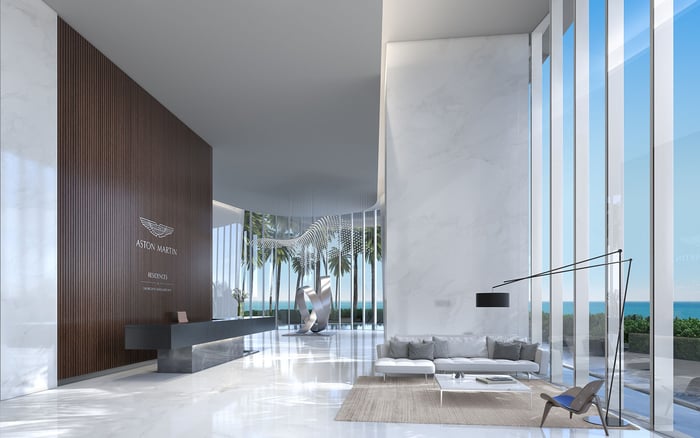
In that context, Aston Martin Residences Downtown Miami carries the kind of brand language that appeals to buyers who want design, identity, and a Downtown waterfront posture in one address. The larger point is not about any single tower. It is about aligning the residence with the owner’s actual Miami behavior.
Downtown and Brickell are distinct, but for many pied-à-terre buyers they operate as one expanded urban field. Brickell brings finance, restaurants, hotel energy, and a polished evening cadence. During major social weekends, that matters. A buyer may attend events in South Beach yet still prefer a home environment that feels closer to the city’s business and dining spine.
This is why Baccarat Residences Brickell sits naturally in the same conversation. For some buyers, the ideal South Florida base is not on the sand, but along the waterfront corridors that make the city feel international, connected, and mature. The festival becomes a lens through which that preference becomes easier to articulate.
Brickell also offers a different hosting posture. Guests can meet for cocktails, walk to dinner, or depart for Miami Beach without making the entire evening dependent on the beach. For an owner who uses Miami as both leisure platform and social headquarters, this can be the more elegant solution.
None of this diminishes the pull of Miami Beach. For certain buyers, waking near the ocean and staying close to the festival atmosphere will remain the instinctive choice. The right answer depends on how the owner wants to feel before and after the public part of the weekend.
A beach residence can be ideal for those who want sand, morning walks, and immediate access to the island’s social texture. An urban pied-à-terre, however, can be better for those who prize separation, mobility, and a more neutral home base. The distinction is subtle, but important. One choice places the owner inside the moment. The other allows the owner to edit the moment.
For buyers who still want the Miami Beach connection, The Ritz-Carlton Residences® South Beach represents the island side of the discussion. The more nuanced buyer will compare that experience with Downtown and Brickell alternatives, not as rivals, but as different ways of staging a South Florida life.
The strongest pied-à-terre is not necessarily the largest residence. It is the one with the clearest use case. Buyers should consider arrival experience, privacy, terrace usability, views, building services, ease of guest movement, and how naturally the residence supports both short stays and longer intervals.
Downtown buyers should also consider emotional temperature. Does the home feel calm after a crowded event? Can it host a quiet breakfast before a beach day? Does it offer enough presence to feel special, without becoming burdensome to maintain? These questions matter more than a purely decorative checklist.
For investment-minded owners, positioning is equally important, but it should not be reduced to a single event. The festival may illuminate demand for a well-located urban base, yet the stronger thesis is broader: South Florida rewards residences that make the region easier to use. Downtown does that by connecting multiple versions of Miami within one daily radius.
A discerning buyer should treat the South Beach Wine & Food Festival as a rehearsal. If a residence improves that weekend, it may also improve art weeks, holiday visits, business travel, family gatherings, and the unscheduled escapes that define true ownership.
Why would a Downtown Miami pied-à-terre make sense for a South Beach event? Downtown can offer a composed mainland base with access to South Beach, Brickell, dining, culture, and airport routes.
Is Miami Beach still the best choice for festival-focused buyers? It can be, especially for buyers who want to remain close to the beach atmosphere before and after events.
What makes Downtown different from Brickell for this use case? Downtown often feels more civic and skyline-oriented, while Brickell brings a financial, restaurant, and evening lifestyle cadence.
Should a pied-à-terre be selected around one festival? No. A festival is best used as a lifestyle test that reveals how a buyer actually moves through South Florida.
What should buyers prioritize in a better-positioned pied-à-terre? Arrival, privacy, services, views, guest flow, and ease of movement across Miami should carry significant weight.
Can a Downtown residence work as a second home? Yes, if it supports both short visits and longer stays with comfort, discretion, and practical access.
Is a branded residence important for this type of buyer? It can be, particularly when service culture, design identity, and lock-and-leave convenience are priorities.
How does South Beach influence Downtown demand? South Beach helps highlight the value of being near the action without always living inside the busiest setting.
Does Brickell compete with Downtown for pied-à-terre buyers? It often complements Downtown, giving buyers another urban option with a strong dining and business profile.
Is this more of a lifestyle decision or an investment decision? For most buyers, it is both, but the strongest purchase begins with a clear lifestyle pattern.
For a discreet conversation and a curated building-by-building shortlist, connect with MILLION.
If branded residences are on your mind — as a home or as an allocation — we would be glad to share what we are seeing, privately.
Begin a quiet conversation