A buyer-focused guide to generator diligence for North Bay Village luxury real estate, from life-safety power and in-unit comfort to fuel logistics, flood exposure, maintenance records, and condo association funding.
In North Bay Village, a generator is not a checkbox. It is a map of what remains functional when the grid goes quiet. For a luxury buyer, the meaningful distinction is whether backup power serves only code-required life-safety systems or also supports the systems that make a residence usable: air conditioning, refrigeration, selected outlets, internet equipment, smart-home controls, security, and basic domestic convenience.
That distinction matters in an island municipality set in Biscayne Bay, where flooding, storm surge, bridge access, and evacuation guidance are part of the ownership conversation. A building can have backup power and still be subject to coastal evacuation orders. A residence can feel secure in ordinary weather, then become difficult to occupy after a storm if elevators, cooling, connectivity, or water pressure are limited.
For buyers comparing properties such as Continuum Club & Residences North Bay Village, generator diligence should begin before contract, not after inspection. The right question is not, “Does the building have a generator?” It is, “What exactly does it power, for how long, under what conditions, and who pays to keep it ready?”
Start with the load schedule or an engineer’s summary. This document should identify the circuits and equipment included in backup coverage, rather than relying on verbal assurances. Ask whether the generator powers only emergency lighting, fire pumps, alarms, and other life-safety systems, or whether it also supports the comfort and continuity systems that matter to daily life.
For common areas, confirm coverage for elevators, fire pumps, emergency lighting, access control, security cameras, garage gates, lobby systems, domestic water pumps, and building management equipment. In a high-rise condominium, at least one operational elevator during an outage can be more than a convenience, particularly for older residents, families with small children, and anyone with medical or mobility needs.
For the residence itself, ask whether in-unit air conditioning is included. In South Florida’s post-storm heat and humidity, cooling can determine whether an otherwise pristine waterfront home remains habitable. Also ask about refrigerators, selected kitchen circuits, outlets for medical devices, charging, internet routers, Wi-Fi infrastructure, cell boosters, and smart-home systems. Power without connectivity can still compromise remote work, access control, and security monitoring.
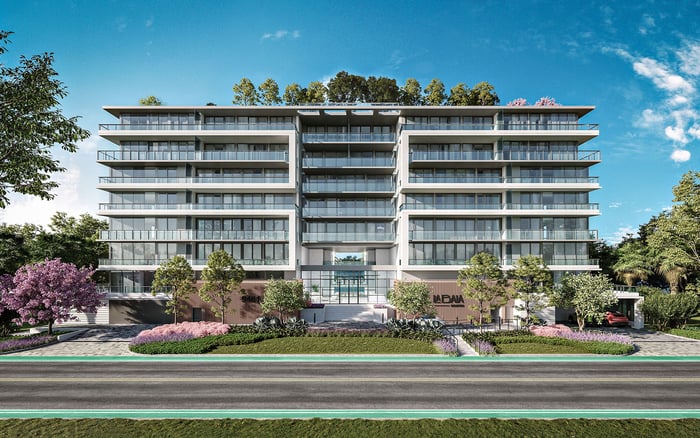
When considering Shoma Bay North Bay Village or any other condominium, avoid assuming that newer or more luxurious automatically means broader generator coverage. The promise should appear in binding condominium documents, specifications, purchase agreements, or association records, not only in presentation language.
A generator’s capacity is only part of the story. Buyers should ask how many hours or days the system can run at expected load before refueling is required. The phrase “expected load” matters, because a system sized for emergency operation may not support all backed-up systems at once without load shedding.
Ask whether the generator is designed for simultaneous use of all supported systems, or whether the building must rotate or shed certain loads during an extended outage. If the system cannot power elevators, pumps, security, and limited residential circuits at the same time, the operating plan becomes as important as the equipment.
Fuel diligence is equally important. Confirm the fuel type, on-site fuel capacity, refueling contracts, and delivery assumptions. In North Bay Village, the logistics of a fuel truck after a storm may be affected by flooding, debris, bridge access, emergency restrictions, or broader regional demand. A refined building should have a practical plan for those constraints, not simply a tank and a service vendor.
For waterfront buyers, this is where resilience becomes tangible. A bay view, private arrival sequence, and sculptural amenity deck are valuable, but the hidden mechanical story determines what happens when the weather turns. That applies to new development, pre-construction decisions, and resale acquisitions alike.
Ask where the generator, transfer switch, fuel tanks, electrical rooms, and related controls are located relative to flood risk, storm surge exposure, and applicable flood zones. Backup power is only useful if the supporting equipment remains protected and accessible. A beautifully maintained building can still face operational vulnerability if critical electrical components sit in exposed locations.
The same logic applies to single-family waterfront homes. Ask whether the generator installation was properly permitted, safely located, and designed to avoid carbon monoxide hazards. If the property depends on sump pumps, seawall-related pumps, pool systems, garage drainage, or other flood-mitigation equipment, verify whether those systems are included in backup coverage.
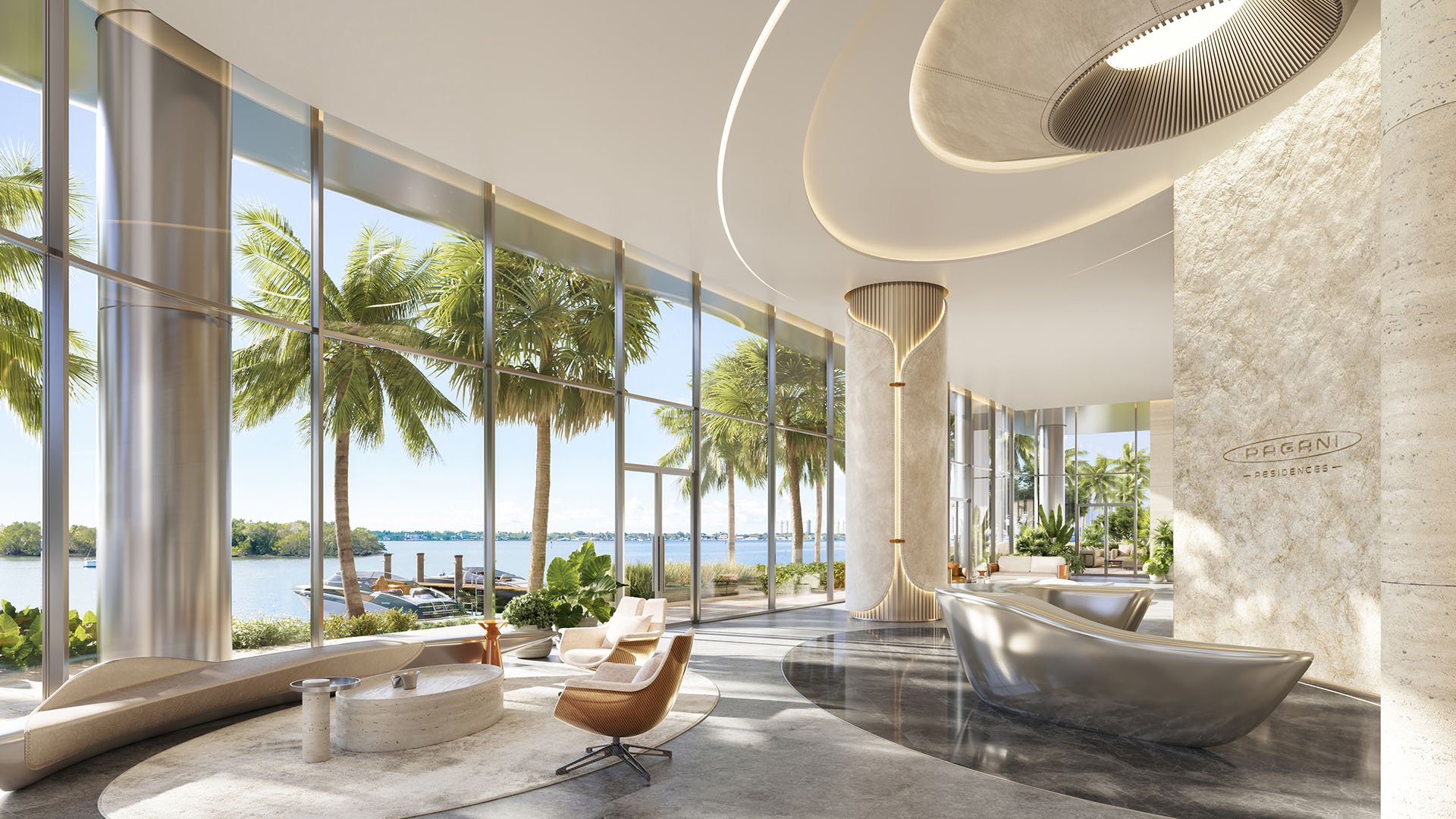
For buyers evaluating Pagani North Bay Village or other North Bay Village addresses, the physical location of the backup system should be part of the same conversation as views, parking, marina access, finishes, and service. This is not a narrow engineering issue. It is ownership quality.
In condominium purchases, written records are essential. Request association budgets, maintenance contracts, reserve studies, board minutes, engineering reports, and any documents related to generator repair, replacement, testing, or upgrades. Ask whether maintenance, fuel, testing, and eventual replacement are fully budgeted or could become a future special assessment.
Testing should also be specific. A brief start-up does not prove performance under real building demand. Ask whether the system has been tested under load, and request recent logs or maintenance records. A serious building should also have a written hurricane or outage operations plan covering staffing, access, refueling, elevator use, security, cooling areas, and resident communications.
For buyers, the most elegant answer is also the most precise: documented scope, documented runtime, documented maintenance, documented flood protection, and documented funding.
Does a generator mean my entire condo will have power? Not necessarily. Many systems support life-safety equipment and selected common areas, while in-unit comfort systems may be limited or excluded.
Should I ask for the generator load schedule? Yes. It is one of the clearest ways to see which circuits, pumps, elevators, and building systems are actually backed up.
Is in-unit air conditioning usually guaranteed? Do not assume it. Ask specifically whether residence HVAC is included and whether the generator can support it during an extended outage.
Why is elevator coverage so important in North Bay Village? High-rise living depends on vertical access. At least one operating elevator can be critical for mobility, medical needs, children, and daily logistics.
What should I ask about fuel? Confirm fuel type, tank capacity, expected runtime, refueling contracts, and whether delivery could be affected by flooding or bridge access.
Can backup power replace evacuation planning? No. Coastal and low-lying areas may still be ordered to evacuate, even when a building has generator capacity.
What records should a condo buyer request? Ask for budgets, maintenance contracts, reserve studies, board minutes, test logs, and engineering reports related to generator systems.
Could generator costs become a special assessment? They could if maintenance, fuel, repairs, or replacement are not adequately budgeted. Review association financials before closing.
What about single-family waterfront homes? Confirm proper permitting, safe placement, carbon monoxide precautions, and backup support for any pumps or drainage systems that protect the property.
What is the best summary question to ask? Ask for written confirmation of scope, runtime, fuel logistics, maintenance history, flood protection, and association funding.
For a discreet conversation and a curated building-by-building shortlist, connect with MILLION.
If branded residences are on your mind — as a home or as an allocation — we would be glad to share what we are seeing, privately.
Begin a quiet conversation