A discreet buyer’s guide to family-zone planning in Coral Gables, focused on how a luxury residence supports school routines, privacy, outdoor life, entertaining, staff flow, renovation flexibility, and long-term resale discipline.
In Coral Gables, the most intelligent luxury purchase is not simply the most beautiful house, the broadest frontage, or the most dramatic arrival sequence. It is the residence that can absorb the rhythm of family life without losing its composure. Before committing to the architecture, ask how the property handles mornings, homework, visiting grandparents, dinner parties, staff access, teenage independence, pets, sports gear, and quiet recovery after a long week.
Family-zone planning is the art of separating uses without fragmenting the home. A formal living room may photograph beautifully, but a family may need a media room that closes off acoustically, a kitchen with genuine circulation, and bedrooms positioned so early risers do not wake the entire household. In a luxury acquisition, this is not a minor lifestyle preference. It is the difference between a property that appears refined and one that lives intelligently.
A disciplined buyer should walk the home twice: once as a guest, and once as a parent. The guest tour reveals glamour. The parent tour reveals friction. Where do bags land? Can children enter from the car without crossing formal entertaining spaces? Is there a place for tutors, music practice, or a live-in caregiver? Can a pool day transition into dinner without the house feeling overrun?
The most important family-zone questions often sit beyond the floor plan. Ask your attorney, architect, or planning adviser to confirm what the site can and cannot support if your needs evolve. If a playroom becomes a study, if a terrace needs shading, if an aging parent requires a ground-level suite, or if a garage conversion becomes tempting, the property’s future flexibility matters.
For Coral Gables buyers, the conversation should include setbacks, permitted uses, design expectations, tree canopy considerations, driveway circulation, pool placement, exterior lighting, fencing, and any review process that could affect later improvements. The point is not to become a zoning technician. The point is to understand whether the home can adapt gracefully over a decade of family life.
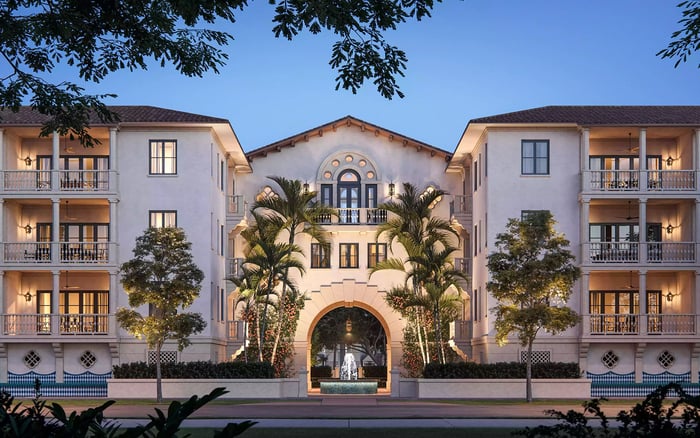
This is especially relevant when comparing single-family homes with boutique new residences such as Cora Merrick Park, where buyers may be weighing a more managed, lock-and-leave style of living against the autonomy of a private estate. Both can be compelling. The right answer depends on whether your family values direct control, shared services, lower maintenance, or a more predictable day-to-day operating model.
For many families, school planning is central. Yet a luxury purchase should not be reduced to a single commute or admissions assumption. Ask how each property performs across several school scenarios: current enrollment, a possible future change, after-school activities, sports schedules, tutoring, and the logistics of multiple children moving in different directions.
A home that feels superb at 8 p.m. may be difficult at 7:15 a.m. A gated driveway may feel private, but can it handle daily departures without tension? Is there room for a driver to wait discreetly? Can a nanny or caregiver arrive without disrupting the household? Is there a mudroom, secondary entry, or service path that keeps the family’s operational life separate from its formal presentation?
In buyer shorthand, criteria such as Coral Gables, private schools, pool access, terrace design, and new construction can be useful filters, but they should never substitute for a lived analysis of time, movement, and emotional ease. A beautiful address must still solve ordinary family choreography.
Family privacy is not one decision. It is a sequence of boundaries. Start at the street, then move through the entry, public rooms, outdoor spaces, bedrooms, staff areas, and service access. Ask where the home feels exposed, where it feels protected, and where those two qualities are successfully balanced.
In Coral Gables, many buyers appreciate a sense of neighborhood presence, but family life often requires selective retreat. Can children use the garden without feeling visible? Does the primary suite have true separation from guest rooms? Are secondary bedrooms close enough for younger children but independent enough for older ones? Does the outdoor entertaining area create sound or sightline conflicts with neighboring properties?
Projects such as Ponce Park Coral Gables and The Village at Coral Gables invite a different privacy conversation than a detached estate. In a residence with shared circulation or amenities, ask how arrivals, deliveries, guests, and family routines are managed. The best buildings make privacy feel effortless rather than defensive.
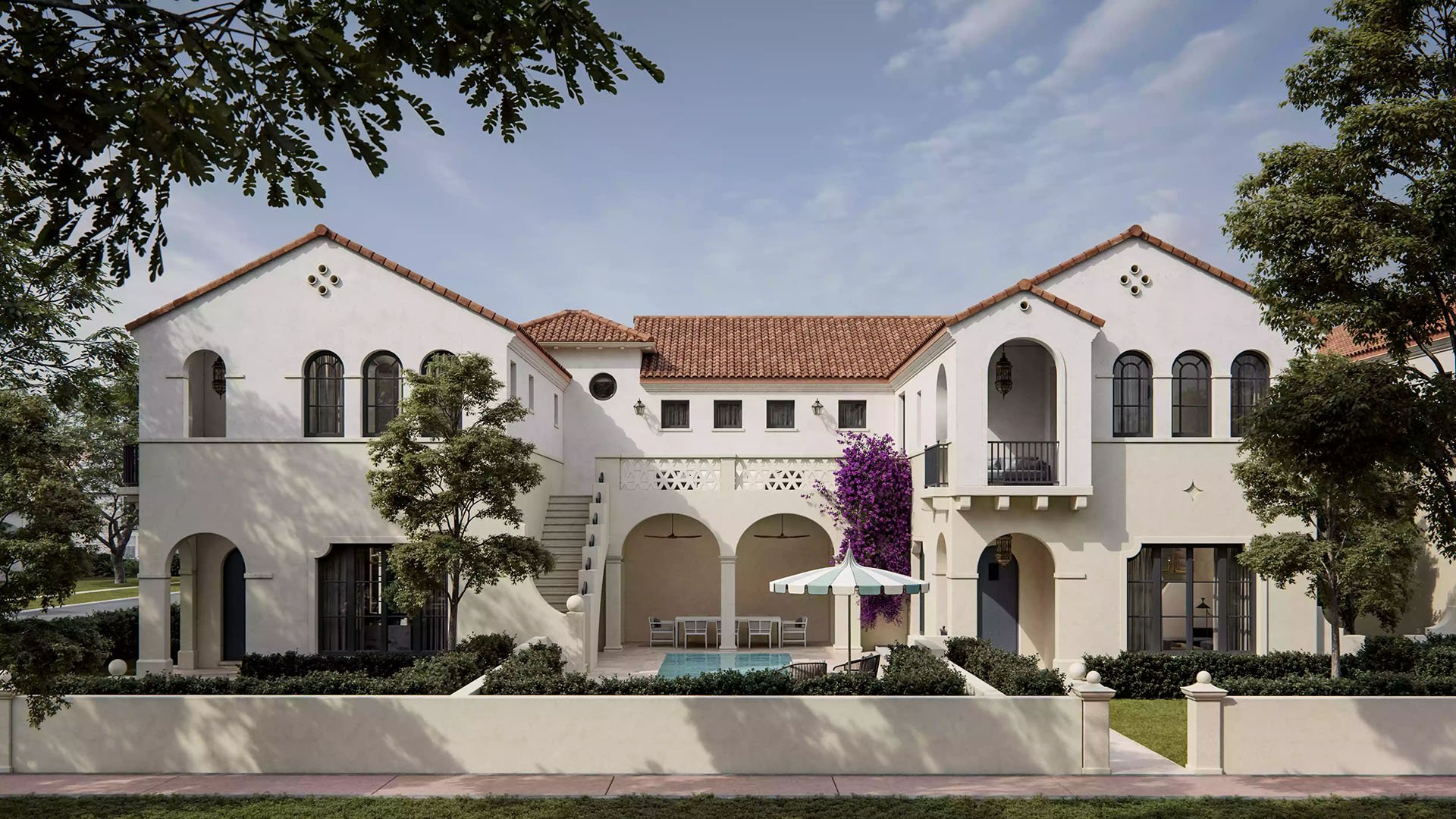
A luxury family home in South Florida should treat outdoor space as part of the living program, not as a decorative afterthought. Ask whether the pool is positioned for supervision, whether shaded dining is comfortable, whether wet children can move indoors without crossing delicate finishes, and whether the terrace can support both adult entertaining and casual family use.
The pool question is particularly important. A pool can be a visual centerpiece, a social anchor, a training lane, or a weekend play zone. Each use has different implications for placement, depth, furniture, storage, lighting, and safety planning. A terrace can also carry multiple roles: breakfast, homework, cocktails, reading, or post-swim recovery. The question is whether those roles can coexist without constant rearrangement.
Also ask how the landscape will age. Will privacy improve as planting matures, or will maintenance become burdensome? Can the property handle bicycles, paddleboards, sports equipment, strollers, and visiting relatives without compromising its architectural calm?
Coral Gables has its own character, but sophisticated family buyers often compare it with nearby luxury enclaves before committing. Coconut Grove may enter the conversation for buyers who want a different village texture, bay-oriented lifestyle, or a more contemporary residential mix. A family considering Coral Gables may also study Arbor Coconut Grove and Four Seasons Residences Coconut Grove to understand how service, density, amenities, and maintenance obligations compare.
This is not about declaring one neighborhood superior. It is about clarifying what your family is actually buying: land, architecture, convenience, community feel, autonomy, amenity depth, or future optionality. Viewed this way, the decision becomes less emotional and more durable.
Ask yourself which property would still feel intelligent if your children changed schools, if one parent worked more from home, if grandparents visited for longer stays, or if the household needed additional help. The best luxury real estate is resilient. It accommodates change without requiring reinvention.
Before moving from admiration to negotiation, create a family-zone checklist. Ask what alterations would likely require professional review. Ask whether any rooms are difficult to repurpose. Ask how storage is distributed. Ask where staff, deliveries, maintenance crews, and guests move. Ask how the property performs in heavy rain, intense heat, holiday entertaining, school mornings, and quiet Sundays.
Then ask the most revealing question: what part of daily life would this home make easier? If the answer is vague, keep looking. If the answer is precise - safer mornings, calmer evenings, better privacy, easier hosting, or more independent children - then the residence may be more than beautiful. It may be right.
What does family-zone planning mean in a luxury home? It means evaluating how spaces support family routines, privacy, guests, staff, school schedules, outdoor living, and future changes.
Should I prioritize floor plan or location first? Prioritize the combination. A prime location can still feel difficult if the home does not support your family’s daily movement.
Why does zoning matter to a family buyer? Zoning and design parameters may affect future renovations, additions, outdoor improvements, and how the property can adapt over time.
Is a new residence easier for families than an older home? Not always. New residences may offer convenience, while older homes may offer land or character; the better choice depends on use.
How should I evaluate outdoor space? Treat it like a daily room. Study shade, supervision, privacy, storage, circulation, and how wet areas connect to interior spaces.
What should I ask about school routines? Ask how morning departures, pickups, after-school activities, tutors, caregivers, and multiple children’s schedules will actually work.
How important is staff circulation? It can be critical. Service paths, secondary entries, parking, and delivery flow help preserve privacy and calm inside the home.
Can a formal home still work for young children? Yes, if it has durable family zones, practical storage, acoustic separation, and outdoor access that does not compromise formal rooms.
Should I compare Coral Gables with Coconut Grove? Yes, if lifestyle flexibility matters. Comparing nearby options can clarify whether you prefer estate autonomy or amenitized convenience.
What is the best final question before offering? Ask whether the home will make daily life easier in specific ways, not just whether it feels impressive during a showing.
For a discreet conversation and a curated building-by-building shortlist, connect with MILLION.
If branded residences are on your mind — as a home or as an allocation — we would be glad to share what we are seeing, privately.
Begin a quiet conversation