A discreet buyer’s guide to evaluating nearby development, infrastructure work, view risk, noise, access, assessments, and resale exposure before purchasing a South Florida luxury condominium.
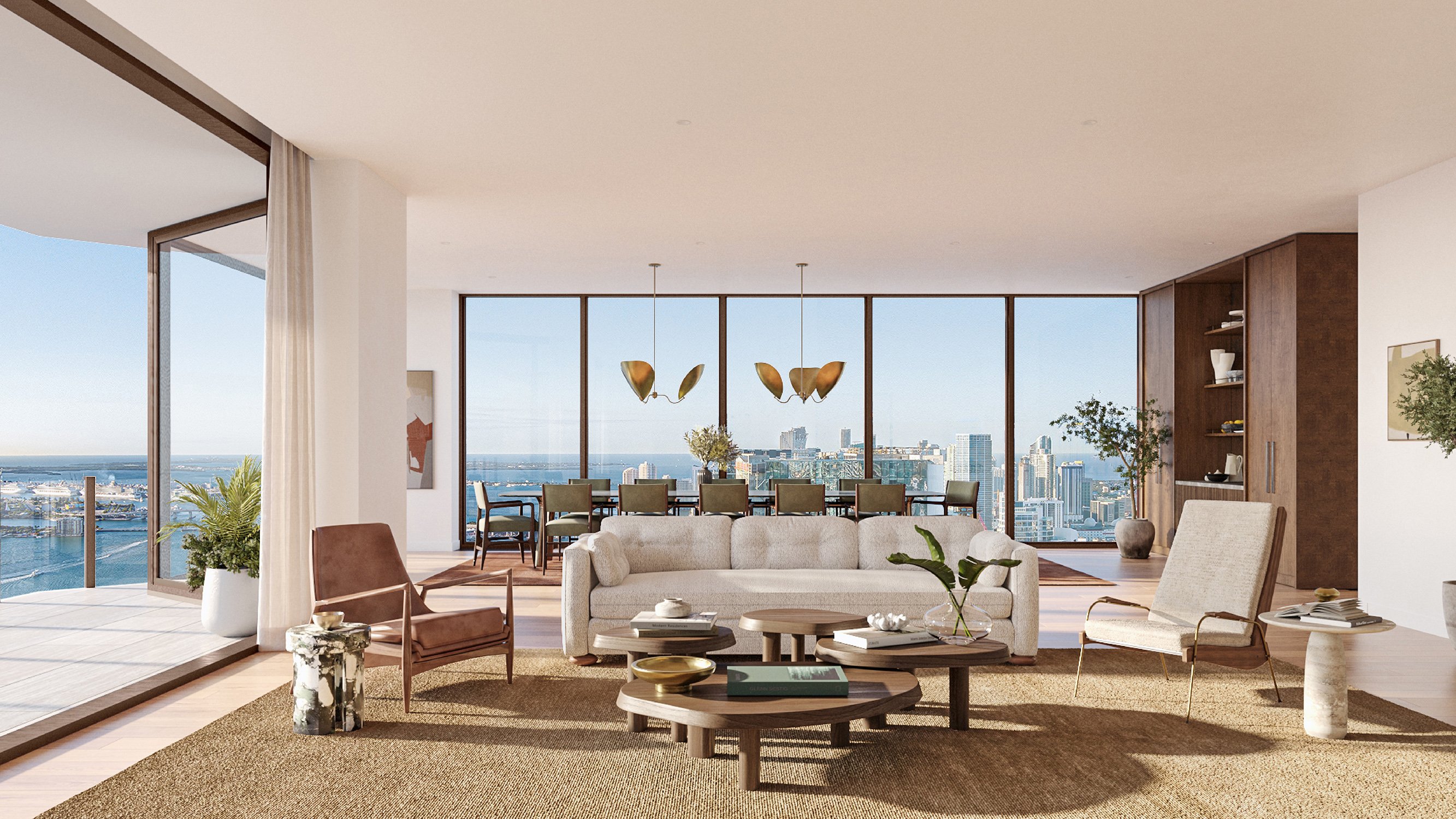
In South Florida, a luxury condominium is rarely purchased in isolation. It is acquired within a living district: a waterfront corridor, a commercial core, a beach enclave, or a rapidly maturing urban neighborhood. The private residence may be finished to a museum-grade standard, yet the daily experience can still be shaped by what happens beyond the lobby doors.
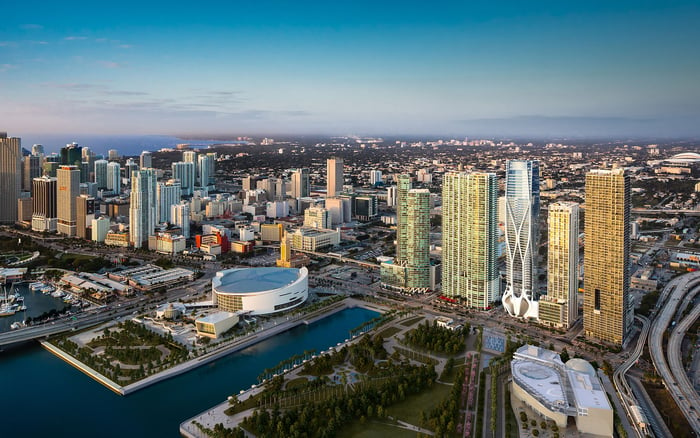
District construction includes nearby towers, roadwork, seawall improvements, utility upgrades, transit work, streetscape redesigns, public-realm projects, and resiliency improvements. Some of it may elevate a neighborhood and support long-term investment appeal. Some may introduce years of noise, altered access, interrupted views, or uncertainty around future carrying costs.
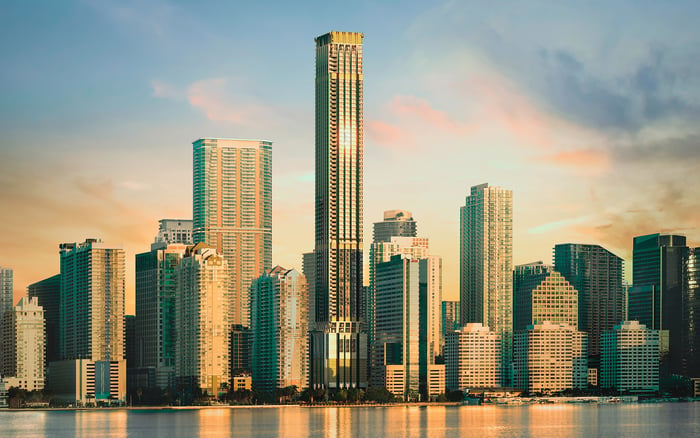
For buyers considering Brickell, Edgewater, Downtown Miami, Miami Beach, Sunny Isles Beach, Fort Lauderdale, or West Palm Beach, the question is not simply whether construction exists. In South Florida, it often does. The sharper question is whether the work enhances or compromises the specific lifestyle, privacy, and resale profile you are buying.
A crane on the skyline is obvious. A quietly entitled parcel across the street is not. Before buying, ask your advisor to identify nearby vacant sites, aging low-rise properties, parking lots, waterfront parcels, and parcels already moving through design, permitting, or approval channels.
The critical inquiry is not only what is under construction today. It is what could reasonably be built within your view corridor, along your arrival route, or beside your pool deck over the next several years. A buyer focused on a high-floor bay view in Edgewater should evaluate risk differently from a buyer choosing a low-floor residence for garden access in a more established enclave.
Ask whether adjacent sites have zoning capacity for additional height, density, hotel uses, retail, structured parking, or major amenity programming. In a luxury context, the difference between a protected outlook and a plausible future obstruction can materially affect both daily enjoyment and future buyer perception.
Views are among the most emotional drivers of South Florida condominium pricing. Water, skyline, park, and sunset exposures all carry value, but not every view has the same durability.
Ask for a parcel-by-parcel review of the land between the residence and the view that matters most. If you are buying for ocean exposure, consider whether any beachfront or near-beach sites could introduce vertical construction. If the appeal is Biscayne Bay, understand whether waterfront, causeway, or marina-adjacent parcels may change. If the residence faces a commercial district, study whether another tower could eventually look directly into bedrooms, terraces, or living spaces.
Privacy deserves equal scrutiny. A residence may feel serene during a showing, then feel more exposed if a neighboring building later introduces hotel rooms, office terraces, rooftop dining, or amenity decks at similar elevations. Ask about separation between buildings, anticipated podium heights, and the likely location of mechanical equipment, garage openings, loading areas, and outdoor amenities.
Construction risk is not limited to future value. It can affect the day-to-day rhythm of living. Buyers should ask how nearby work may influence morning traffic, valet circulation, school runs, beach access, marina access, ride-share pickup, deliveries, and guest arrivals.
In dense districts such as Brickell and Downtown, detours and lane closures can matter as much as the building itself. In coastal settings, staging areas, utility work, bridge access, and resiliency projects may influence the experience of moving through the neighborhood. In quieter residential pockets, even a single nearby site can alter the soundscape for a period of time.
Ask practical questions: Where will construction vehicles queue? Are there anticipated sidewalk closures? Will access to the building’s porte cochere remain reliable? Are there known utility upgrades in the area? Will any work affect water pressure, drainage, power reliability, or street lighting? These are not glamorous questions, but they are the questions that preserve convenience.
South Florida luxury buyers increasingly evaluate not only the condominium tower, but also the district’s capacity to manage water, heat, mobility, and long-term maintenance. Infrastructure and resiliency work can be disruptive in the short term and valuable in the long term.
Ask about drainage improvements, seawall work, road elevation, utility undergrounding, pump stations, streetscape changes, and public-realm upgrades that may affect the immediate neighborhood. Some projects may improve walkability, reduce nuisance flooding, enhance landscaping, or make a district feel more finished. Others may require patience during construction and careful reading of timing risk.
For new-construction buyers, the district may still be forming around the project. That can create opportunity, particularly where public realm, retail, dining, and mobility are improving together. It can also mean the buyer is underwriting a future neighborhood experience rather than a fully settled one.
Even if district work is outside the property line, it may affect the condominium association. Buyers should ask whether nearby projects create shared access considerations, easement questions, construction coordination, temporary agreements, or insurance implications.
Review whether the building has recently completed or anticipates major work of its own. Exterior restoration, garage repairs, pool deck work, lobby renovations, elevator modernization, seawall work, and life-safety upgrades can overlap with district construction and amplify disruption. A polished lobby does not eliminate the need to understand reserve planning, maintenance expectations, and possible assessments.
For resale purchasers, ask for association documents, recent meeting minutes, budget history, pending capital projects, and discussion of nearby development issues. For pre-construction buyers, ask how the developer is positioning the project relative to adjacent land and future district improvements. The goal is to avoid surprises that affect both carrying costs and the ownership experience.
The strongest buyers enter negotiations with a disciplined question set. Ask what is currently approved within a short radius of the property. Ask what is proposed but not yet approved. Ask what is publicly discussed but still uncertain. Ask whether any major infrastructure or public-realm work is expected along the primary arrival routes.
Then become specific to the residence. Could future construction affect the main view? Could it affect afternoon light or terrace privacy? Could it increase noise near bedrooms or outdoor living areas? Could it alter traffic between the building and the airport, marina, school, office, beach club, or dining district you use most?
Finally, ask whether the pricing already reflects these considerations. In some cases, a buyer may accept construction exposure in exchange for a more compelling entry point, superior floor plan, or long-term neighborhood upside. In others, the better decision is to pay more for a protected view corridor, a quieter location, or a building in a more mature setting.
Luxury real estate in South Florida rewards patience, but it also rewards selectivity. District construction can signal momentum, capital investment, and improving neighborhood desirability. It can also test a buyer’s tolerance for uncertainty.
The ideal purchase is not always the one with no nearby construction. It is the one where the buyer understands the construction, prices it intelligently, and chooses a residence whose core attributes remain strong as the district evolves. Floor height, orientation, arrival sequence, amenity placement, parking convenience, acoustic performance, and association strength all matter.
A waterfront tower with a durable exposure, a well-managed association, and a district improving around it may age beautifully. A residence dependent on a vulnerable view or fragile access route may require deeper caution. The distinction is rarely visible in marketing language. It is revealed through questions.
What does district construction mean for a luxury condo buyer? It refers to nearby building, infrastructure, transit, streetscape, resiliency, and public-realm work that may affect the ownership experience.
Should I avoid a condo if there is construction nearby? Not necessarily. The key is whether the construction threatens the specific view, access, privacy, quiet, or value proposition you are buying.
Which South Florida areas require extra attention? Brickell, Edgewater, Downtown Miami, Miami Beach, Sunny Isles Beach, Fort Lauderdale, and West Palm Beach often merit careful neighborhood due diligence.
Can future construction block my view? It can, depending on adjacent parcels, zoning potential, and the exact orientation and elevation of the residence.
What should I ask about noise before buying? Ask where active and future sites are located, where trucks may stage, and whether bedrooms or terraces face likely construction zones.
How can construction affect resale value? It may reduce appeal if it harms views or access, but it may support value if it improves the district’s long-term desirability.
Are infrastructure projects good or bad for owners? They can be both. Short-term disruption may accompany long-term improvements to drainage, access, streetscape, or resilience.
Should I review association documents for district risk? Yes. Minutes, budgets, reserves, and capital plans may reveal building-level exposure that is not obvious during a showing.
Does this matter more for pre-construction or resale? It matters for both. Pre-construction buyers assess a future district, while resale buyers assess existing conditions plus future change.
When should these questions be asked? Ask before contract whenever possible, so pricing, terms, and the final decision reflect the full neighborhood context.
For a discreet conversation and a curated building-by-building shortlist, connect with MILLION.
If branded residences are on your mind — as a home or as an allocation — we would be glad to share what we are seeing, privately.
Begin a quiet conversation