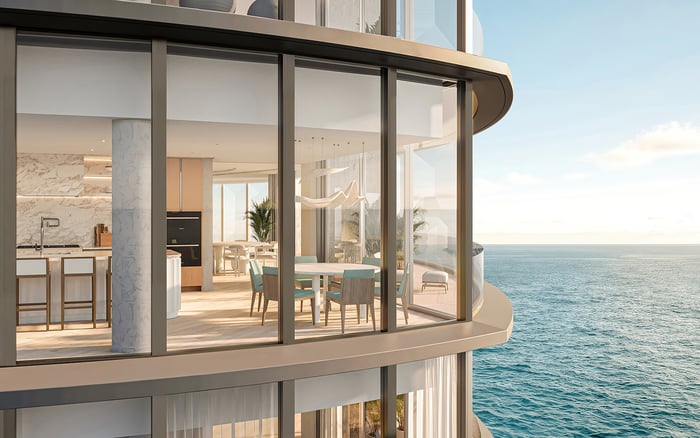
For a New York buyer, a Bal Harbour second home should support both retreat and responsibility. Evaluate power coverage, independent internet paths, confidential workspaces, and household circulation at the residence level, rather than relying on an address or amenity package.
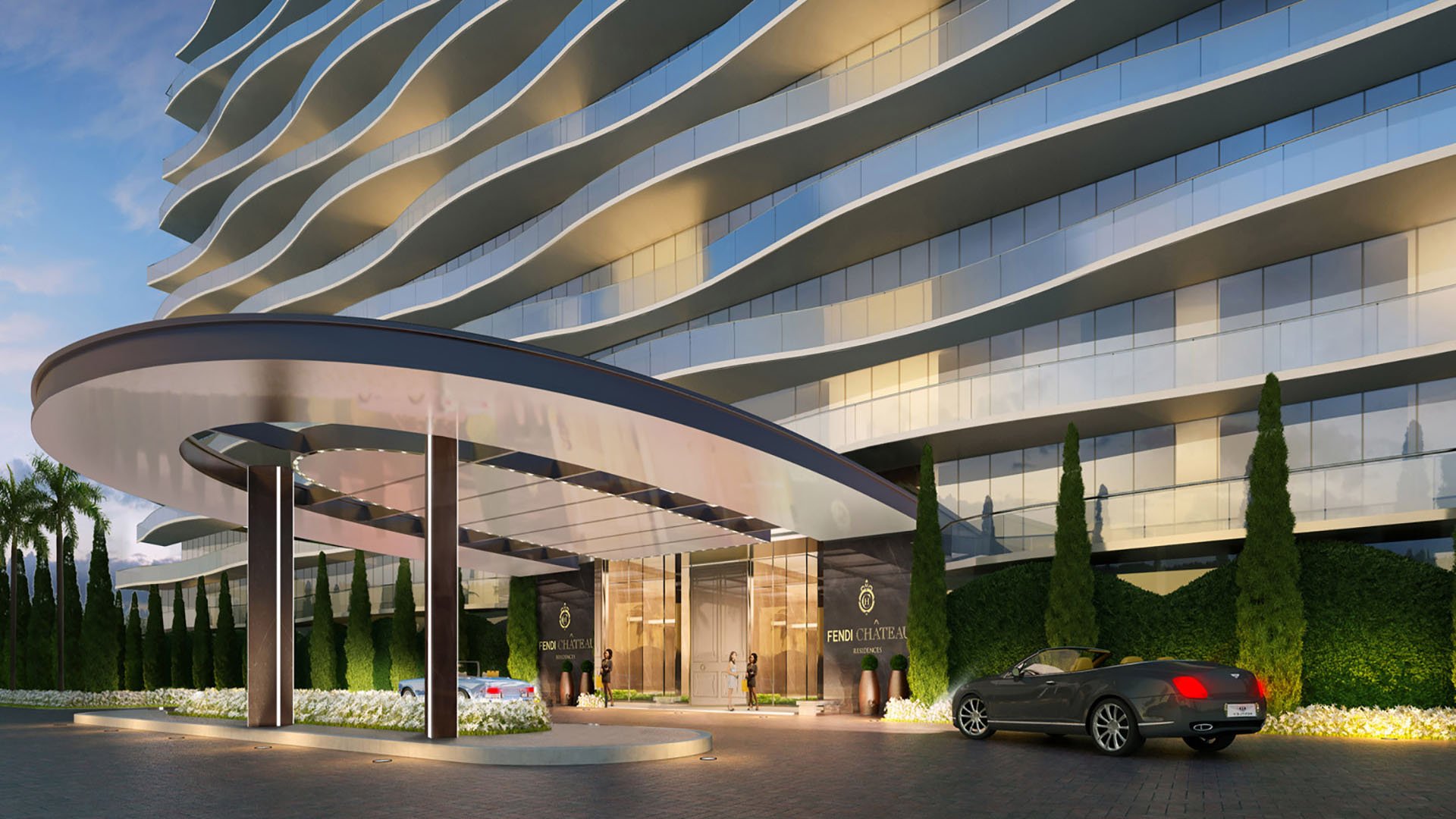
Moving between New York City and Bal Harbour need not mean leaving professional life behind. For a buyer who expects to chair a meeting before lunch and return to a quieter household afterward, the residence must satisfy two briefs: a retreat and a dependable place to work. The view matters. So does what happens when a connection drops, a delivery arrives, or a confidential conversation begins.
A sound purchase decision separates visible luxury from operational performance. Private arrivals, generous glazing, and attentive services shape the experience, but they do not establish internet redundancy, residential backup power, or acoustic privacy. Treat these as distinct requirements, each demanding documentation, permissions, and a practical test.
Begin with a written brief: the work that cannot be interrupted, the conversations that cannot be overheard, and the household movements that should remain clear of the office approach.
Bal Harbour reviews new development for compliance with Florida Building Code floodplain regulations and the Village’s floodplain ordinance before issuing construction permits. Its Building Department also maintains elevation certificates for permitted construction and substantial improvements. Buyers can request property-specific flood-zone determinations and elevation information.
Use that information to examine the entire operating chain, not merely the residence’s floor. Ask where equipment serving the office is located, how building access is managed during severe weather, and what procedures apply while the owner is in New York. Compliance review is not a promise of uninterrupted occupancy or work.
Request the emergency-power schedule and establish its precise scope: residential outlets, telecommunications equipment, elevators, and cooling. Do not accept “the building has a generator” in place of a circuit-level answer. Have the appropriate technical adviser determine which proposed office loads are covered and what limitations apply.
Window and door protection warrants a separate review. Ask for the residence’s relevant documentation against Miami-Dade requirements and approval guidance for these components. Plan to protect openings, follow official instructions, and evacuate when ordered. A work-continuity plan must accommodate departure, not justify staying.
A provider’s Bal Harbour locality listing is a lead, not confirmation that a particular condominium or unit can receive service. Before committing to a home-office layout, request a unit-level survey identifying available providers, upload speeds, installation routes, and the permissions needed to bring service to the intended desk.
The decisive question is not simply whether two subscriptions are available. Ask whether their last-mile paths are independent, which building equipment each requires, and how that equipment is powered. Two services are not necessarily resilient because their invoices carry different names.
For a residence under consideration at Oceana Bal Harbour, apply the same standard: obtain a written service assessment for the specific unit rather than infer connectivity from the address. Test any proposed cellular fallback inside the intended office and confirm its feasibility before making it part of the plan.
Ask a telecom specialist to demonstrate the transition between connections using your actual working setup. The acceptance test should reflect a confidential video meeting or essential file transfer, not merely produce a speed-test screenshot. Confirm who is responsible for installation, maintenance, and troubleshooting while you are away.
The most photogenic room is not automatically the best office. Start with its relationship to elevator arrivals, adjacent rooms, mechanical equipment, and household paths. Then distinguish two goals: keeping disruptive sound out and keeping sensitive speech from traveling beyond the room.
At Rivage Bal Harbour, direct private-elevator entry to each residence, generous balconies, and large windows provide a starting point for evaluating arrival and room placement. They do not establish home-office acoustic performance.
Request acoustic and mechanical drawings where available. Have an adviser review the proposed office enclosure, door assemblies, and adjacent equipment, then test the room during normal occupancy, deliveries, and amenity activity. Listen with mechanical systems operating rather than relying on a quiet showing.
Include a speech-privacy check from the hall and adjoining rooms. For a completed residence, conduct it with permission under realistic conditions. For a residence that cannot yet be tested, distinguish documented specifications from performance still to be assessed. Keep any proposed alterations subject to building approval and technical review.
Private elevator entry can make arrival feel composed, but it does not establish a separate service elevator or back-of-house route. Trace how housekeepers, deliveries, maintenance personnel, guests, and the owner would reach their destinations. The question is whether those movements cross the office doorway or interrupt a call.
One Bal Harbour’s residential features include private elevator foyers; its amenities include concierge and valet services, along with access to Ritz-Carlton services. Assess those conveniences separately from circulation: neither a foyer nor a service offering establishes a dedicated staff route.
At St. Regis Bal Harbour South, features include private elevator foyers, service quarters, and private entrances in most units. Verify those features against the exact residence and current access rules. Do not assume service quarters establish an independent route, or that the same feature exists at another property.
Walk the proposed sequence with management: arrival authorization, elevator access, delivery handoff, kitchen access, and departure. Ask what changes outside routine service hours. A workable arrangement should preserve privacy without requiring improvised exceptions whenever the household is active.
If the search extends to Arte Surfside in Surfside, carry the same brief into the comparison. Request equivalent evidence rather than treating a different address or design vocabulary as proof of stronger performance. Keep property and preparedness questions specific to each municipality.
For every candidate, classify essential requirements as documented, awaiting testing, or requiring an approved intervention. A beautiful office with unresolved connectivity should remain unresolved in the decision, not become “good enough” through repetition. Likewise, a promising staff route needs access rules that support it.
Before occupancy, assign responsibility for storm preparation, remote access coordination, and emergency communications. Maintain battery-powered emergency communications, elevate valuables, avoid flooded areas, and evacuate when ordered. Build a departure plan that lets work continue elsewhere while the residence is secured.
The right second home does not need to imitate a Manhattan office. It needs to let professional obligations and private life coexist gracefully, with every system’s limits understood before they matter.
Explore a more considered second-home search with MILLION.
If branded residences are on your mind — as a home or as an allocation — we would be glad to share what we are seeing, privately.
Begin a quiet conversationDefine essential work requirements, confidential-call needs, and household routes before choosing the office. Evaluate power, connectivity, acoustics, and circulation separately from amenities.
Bal Harbour’s Building Department can provide property-specific flood-zone determinations and elevation information. It also maintains elevation certificates for permitted construction and substantial improvements.
No. Compliance review does not establish uninterrupted occupancy, electrical service, or telecommunications, and evacuation orders must be followed.
Request the emergency-power schedule and confirm whether residential outlets, telecommunications equipment, elevators, and cooling are covered. Have a technical adviser identify the limitations affecting the proposed office.
No. Obtain a survey for the specific building and unit, including available providers, upload speeds, installation routes, and required permissions.
Not by themselves. Confirm independent last-mile paths, equipment dependencies, and power arrangements, then test the proposed failover setup.
Request acoustic and mechanical drawings and test the intended room during ordinary occupancy and deliveries. Check both incoming noise and whether speech can be heard in adjoining spaces.
It is an advertised residential arrival feature. It does not establish acoustic performance, telecom redundancy, or a separate staff route.
No. At St. Regis Bal Harbour South, published descriptions include service quarters and private entrances in most units, but the exact layout and access rules require unit-level verification.
Assign responsibility for property preparation, access coordination, and emergency communications. Maintain a departure and work-continuity plan that follows official instructions and evacuation orders.