A practical, discreet guide to evaluating building governance before buying a luxury condominium or waterfront residence in Key Biscayne.
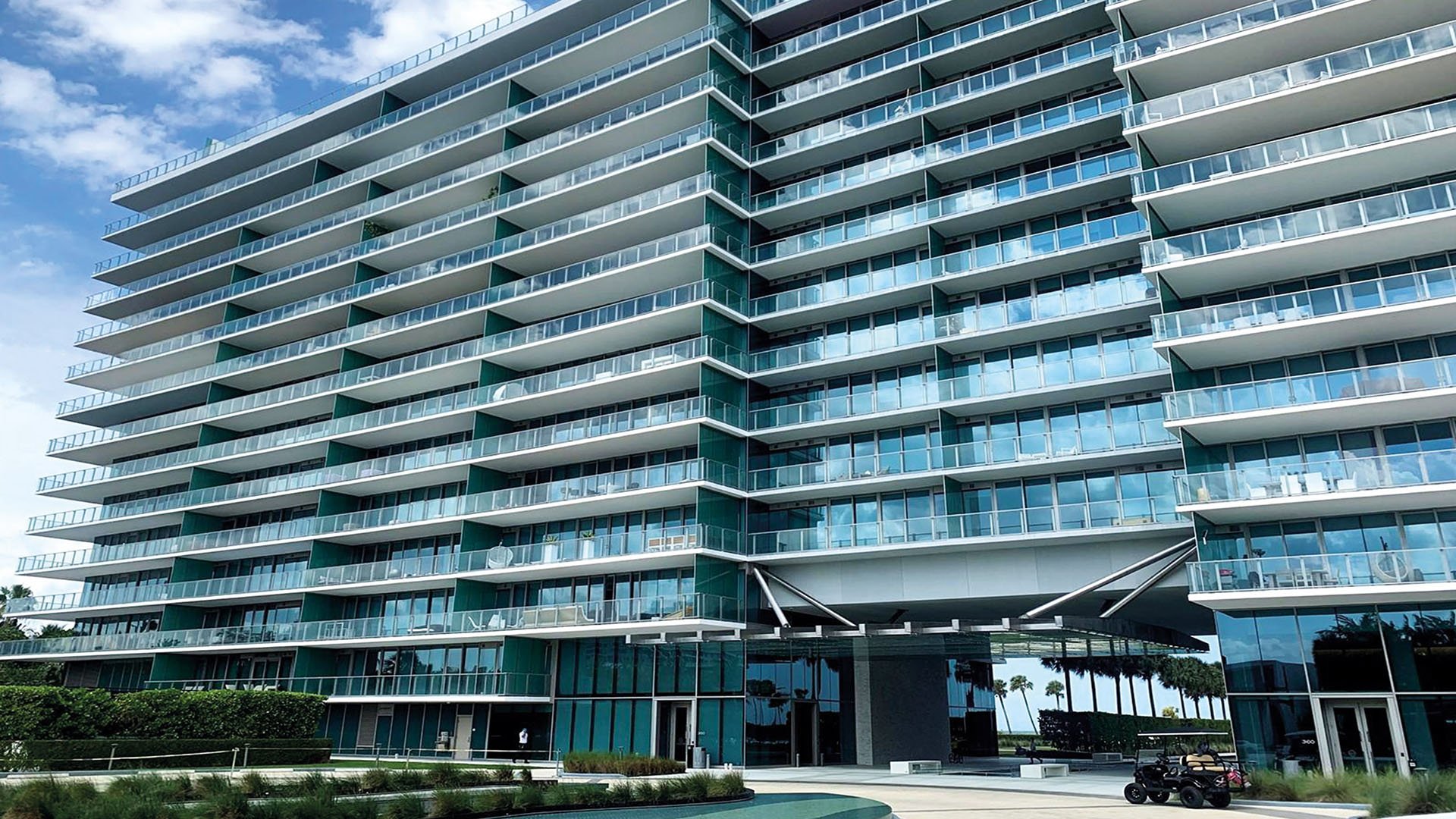
In Key Biscayne, buyers often begin with the view: Biscayne Bay light, the Atlantic horizon, marina proximity, or the calm geometry of a private terrace. Yet the quieter question may prove just as important as the outlook: how is the building governed?
For luxury buyers, governance is not administrative background noise. It shapes privacy, service quality, future assessments, renovation flexibility, rental posture, security tone, and resale confidence. A beautifully maintained lobby can signal discipline, but it is not enough. The documents, board culture, financial planning, and enforcement practices reveal whether a property is being run as a long-term residential asset or simply managed from one meeting to the next.
This Key Biscayne buyer’s framework is designed for purchasers who want the architecture, address, and lifestyle to be matched by operational intelligence. Before falling in love with a residence, ask whether the building’s governance supports the way you intend to live.
The first question is simple: does the board appear proactive, transparent, and consistent? Luxury buildings can differ dramatically in how they communicate decisions, plan improvements, and treat residents. Ask for recent meeting minutes, budget materials, notices, policy updates, and any available capital planning discussions.
Minutes can reveal the rhythm of the building. Are the same maintenance concerns repeated month after month? Are major projects discussed early, or only when they become urgent? Are residents frequently in conflict over rules? A board does not need to be theatrical to be effective. In fact, the best governance is usually calm, documented, and predictable.
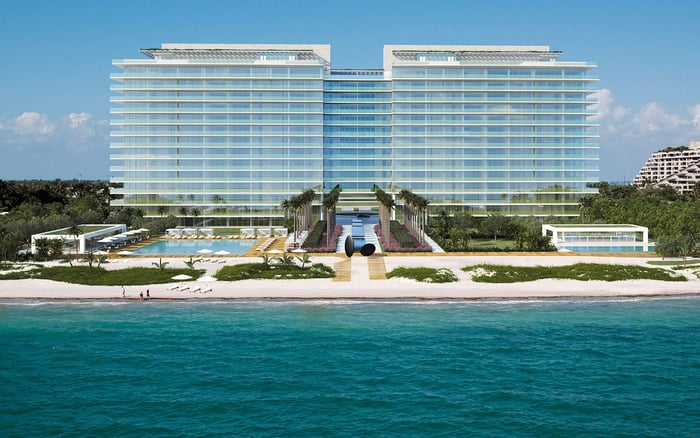
For buyers looking at Oceana Key Biscayne or any comparable Key Biscayne condominium, the question is not merely whether the building is prestigious. It is whether that prestige is matched by disciplined administration.
A luxury building’s budget is a lifestyle document. It shows how the association funds staffing, landscaping, amenities, insurance, reserves, repairs, professional services, utilities, and long-range improvements. Look beyond the monthly assessment and ask what is included, what is excluded, and what has changed over recent budget cycles.
Buyers should ask whether operating expenses have been rising, whether the association has a reserve study or equivalent long-term planning tool, and whether capital projects are handled through reserves, special assessments, financing, or a combination. None of these answers is automatically disqualifying. What matters is clarity.
A lower monthly fee can be attractive, but underfunded maintenance is not luxury. Conversely, a higher assessment may be reasonable if it supports excellent service, strong insurance coverage, robust reserves, and careful physical upkeep. The governing question is value, not optics.
In a waterfront or oceanfront setting, insurance and resilience deserve careful attention. Ask what policies the association maintains, what deductibles apply, how claims are handled, and whether coverage changes have affected the building’s budget. Buyers should also ask how the building approaches preventive maintenance in areas exposed to salt, wind, sun, moisture, and heavy seasonal use.
The most sophisticated buildings treat resilience as an ongoing discipline. They maintain systems, schedule inspections, communicate projects early, and understand that deferred decisions eventually become expensive decisions. For Key Biscayne buyers, this is not simply a risk conversation. It is a quality-of-ownership conversation.
If a board can explain its insurance posture clearly, discuss maintenance priorities without defensiveness, and show evidence of planning, that is meaningful. If answers are vague, delayed, or overly casual, proceed with greater diligence.
Luxury buyers often assume a premium building will accommodate their preferred lifestyle. Governance may say otherwise. Before closing, review rules on renovations, contractors, moving procedures, guest access, pets, deliveries, private staff, parking, service elevators, beach or pool use, entertaining, and storage.
Ask whether there are quiet hours, design guidelines, flooring requirements, balcony restrictions, or approval procedures for alterations. If you intend to personalize a residence, the renovation process matters. How long do approvals typically take? Are there blackout periods? Are contractors limited to certain hours? Are deposits required? How are violations handled?
A strict building can be ideal for buyers who prize order and privacy. A more flexible building may suit those who entertain often or plan significant interior work. The essential point is alignment. Governance should enhance your life, not surprise it.
Even if you never intend to rent your residence, rental rules can affect the building’s character and long-term liquidity. Ask whether leases are permitted, whether there are minimum lease terms, how often units may be leased, and whether the association screens tenants. Also ask how guest access is managed and whether short stays are restricted.
A building with a clearly residential identity may feel more private, consistent, and secure. A building with more permissive rental policies may offer flexibility, but it can also change the daily atmosphere. Neither structure is universally better. The right answer depends on whether you are buying a primary residence, a seasonal retreat, a family base, or a portfolio asset.
When comparing Key Biscayne with nearby luxury markets such as South Beach, Surfside, or Fisher Island, governance becomes a useful lens. Buildings such as Continuum on South Beach, Arte Surfside, and The Residences at Six Fisher Island may appeal to different buyer profiles, but the same principle applies: rules shape the ownership experience as much as finishes do.
Before buying, ask whether the association is involved in active litigation, unresolved claims, construction disputes, or significant owner conflicts. Litigation is not automatically fatal, but it should be understood. What is the nature of the issue? Is it insured? Could it affect financing, reserves, assessments, or future resale?
Also ask how violations are enforced. Inconsistent enforcement can be more damaging than strict enforcement because it creates uncertainty. A luxury building should have rules that are understood, applied evenly, and periodically reviewed.
Transparency is the ultimate test. A well-governed building does not need to be perfect. It needs to be clear.
In the upper tier of Key Biscayne real estate, staffing is not merely a service amenity. It is part of governance execution. The board and management decide how the building hires, trains, supervises, and retains the people who create the daily experience: front desk, valet, security, maintenance, housekeeping, engineering, and amenity staff.
Ask about staffing levels, management structure, vendor oversight, and emergency procedures. Ask who has authority after hours. Ask how owners communicate concerns and how quickly issues are resolved. A gracious building is often the result of disciplined systems behind the scenes.
For resale buyers, this is especially important. You are not only purchasing the prior owner’s improvements. You are entering an operating environment already in motion.
Before you make an offer, or during your diligence period, ask for the governing documents, rules and regulations, current budget, recent financial statements, reserve information, insurance summary, board minutes, pending assessment information, litigation disclosures, renovation guidelines, rental rules, pet policies, and application procedures.
Then listen carefully to the tone of the answers. Are documents provided promptly? Are explanations precise? Does management seem organized? Does the board plan ahead? Do residents seem aligned with the building’s identity?
Luxury real estate is often purchased emotionally, but it should be confirmed operationally. The right Key Biscayne building should feel serene not only because of the water, but because the governance beneath the surface is composed, competent, and durable.
Why does building governance matter in Key Biscayne luxury real estate? Governance affects privacy, service, maintenance, assessments, rules, and future resale confidence.
What documents should I request before buying? Ask for governing documents, rules, budgets, financials, insurance summaries, minutes, reserve information, and any assessment disclosures.
Are higher condo fees always a negative? Not necessarily. Higher fees may support stronger service, reserves, maintenance, insurance, and amenity quality.
Should I worry about special assessments? You should understand them. The key questions are why they are needed, how they are funded, and whether they reflect good planning.
How important are rental rules? Very important. Rental rules influence building atmosphere, owner flexibility, security, and potential buyer demand.
What should I ask about renovations? Ask about approval timelines, contractor rules, work hours, deposits, design restrictions, and seasonal blackout periods.
Is litigation always a reason to avoid a building? No. The nature, scale, insurance implications, and financial exposure matter more than the mere existence of a dispute.
How can I judge board transparency? Look for prompt document access, clear meeting records, consistent communication, and direct answers to financial questions.
Does governance affect Resale value? Yes. Buyers often value buildings with orderly finances, consistent rules, careful maintenance, and a stable residential character.
What is the best sign of a well-governed luxury building? Quiet consistency. Strong governance usually feels calm, organized, and evident in the daily experience.
When you're ready to tour or underwrite the options, connect with MILLION.
If branded residences are on your mind — as a home or as an allocation — we would be glad to share what we are seeing, privately.
Begin a quiet conversation