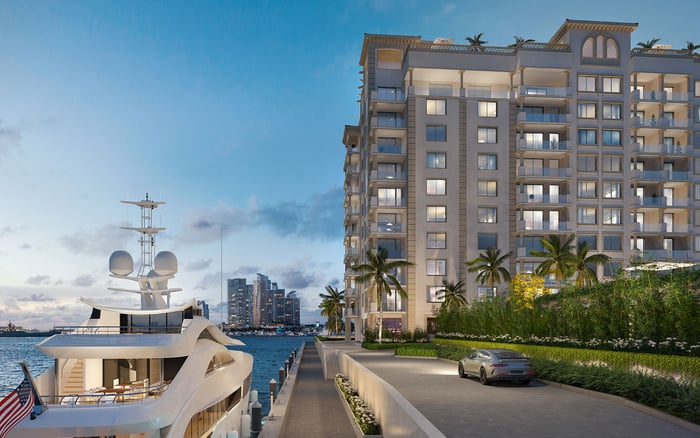
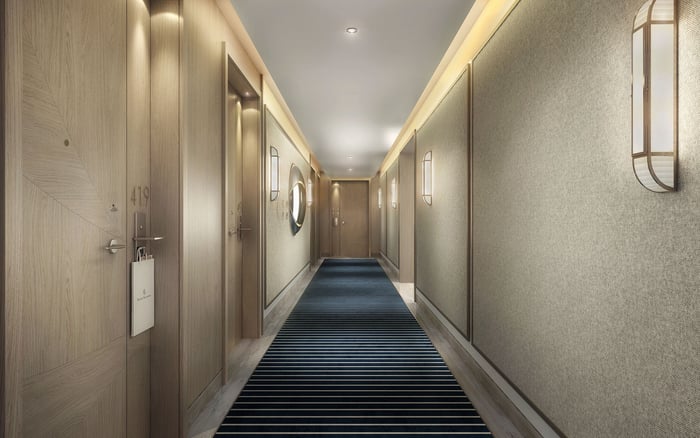
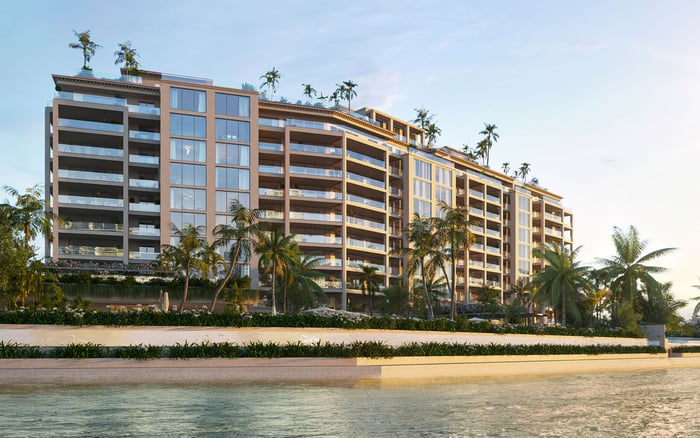
A practical, design-conscious guide for Miami Beach buyers evaluating residential security that protects privacy without compromising elegance, hospitality, or everyday ease.
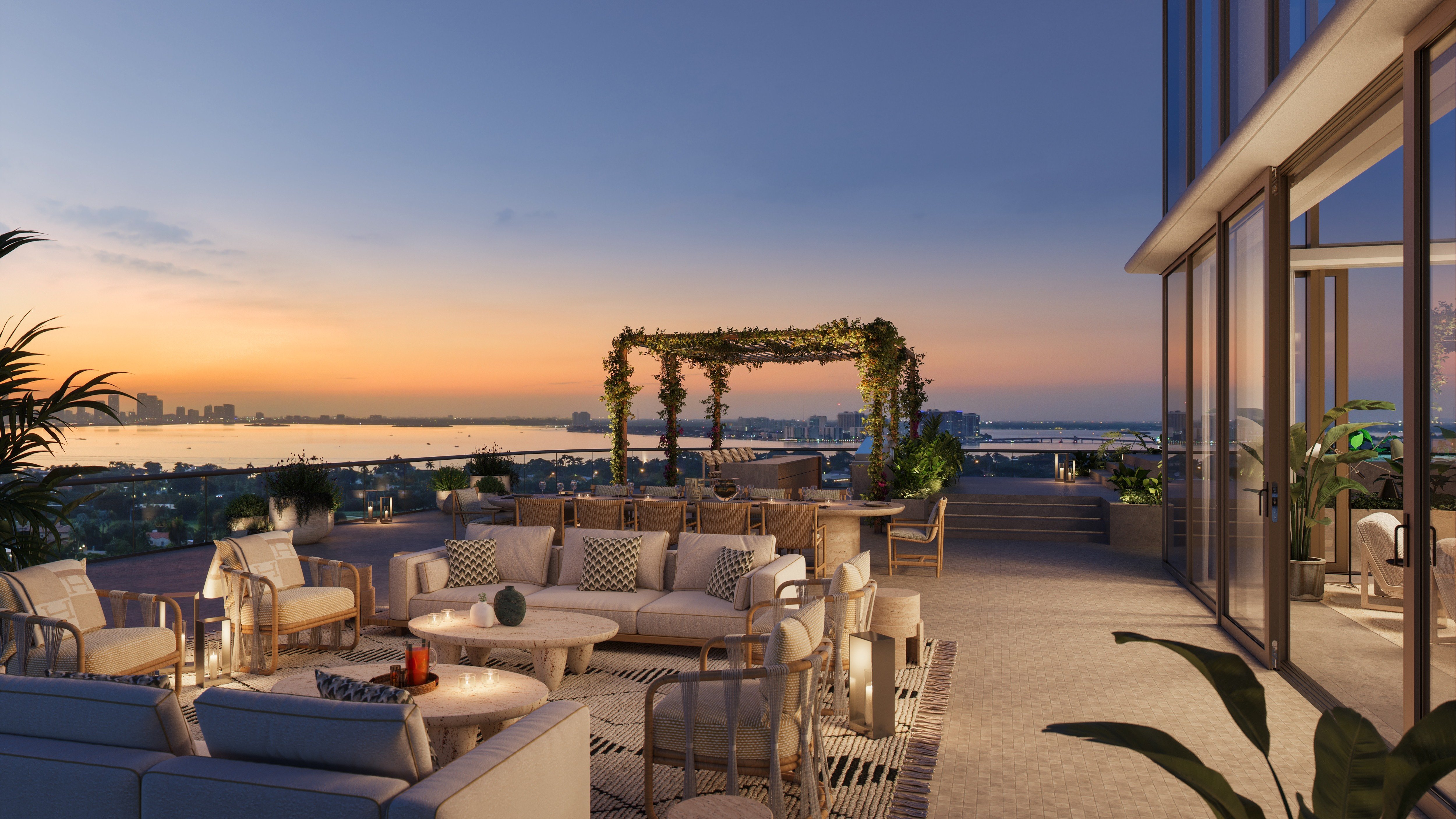
For the Miami Beach buyer, security is no longer measured by spectacle. The most sophisticated residences do not announce protection with theatrical barriers, excessive signage, or a lobby that feels more institutional than residential. They create confidence through choreography: how a car arrives, how a guest is received, how staff move through service areas, how deliveries are screened, and how residents pass from public street to private sanctuary without friction.
This is especially relevant in a market where privacy is central to the luxury proposition. A buyer considering design-led residences such as 57 Ocean Miami Beach, The Perigon Miami Beach, or other waterfront addresses should look beyond glossy renderings and ask how the security experience will feel on an ordinary Tuesday evening, during a holiday weekend, and when guests, family, drivers, trainers, chefs, and vendors are moving in and out of the property.
The goal is not to buy the most visible security. The goal is to buy the most intelligent one.
A discreet security program begins before the front door. Study the entire arrival sequence from curb to residence. Is there a clear distinction between resident arrival, guest arrival, service access, and deliveries? Does the property create a sense of welcome while still controlling who can approach the private realm? Are vehicles handled in a way that protects privacy without making the process feel punitive?
In Miami Beach, the arrival experience matters because the line between resort atmosphere and private residence can be delicate. A well-conceived building should allow residents to feel expected, not processed. If a buyer senses that every interaction requires explanation, repetition, or public exposure, the system may be operationally clumsy even if it appears impressive.
The best arrival sequences are quiet. They rely on trained personnel, intuitive circulation, thoughtful sightlines, and layered access rather than obvious displays of control.
Technology matters, but staffing culture is often the difference between security that feels refined and security that feels theatrical. Cameras, access credentials, controlled elevators, and package procedures are only as effective as the people managing the daily experience.
During tours, buyers should observe posture and tone. Does the front desk recognize residents without broadcasting names? Are guests greeted with polish? Are questions handled discreetly? Does the team remain calm during busy moments? A luxury building should not make a resident feel watched. It should make the resident feel known in the most respectful sense.
This distinction is especially important for buyers who entertain, travel frequently, or maintain household staff. A building may have excellent physical systems yet still feel intrusive if the staff culture is rigid or inconsistent. Conversely, a composed team can make layered security feel almost invisible.
A common mistake is to focus on one dramatic checkpoint: the gate, the lobby desk, or the elevator. True discretion comes from layers. Each layer should reduce exposure without creating unnecessary theater.
Those layers may include the way the site meets the street, the separation of public and private zones, the management of guest access, the handling of packages and service providers, and the transition from lobby to elevator to residence. Buyers comparing properties such as Shore Club Private Collections Miami Beach should think in terms of sequence rather than isolated features: who can see you arrive, who can follow your path, and where a guest’s access naturally ends.
Ask whether the building reduces the need for confrontation. The more intelligently a property is planned, the less often staff must intervene in a visible way.
Discreet security should not embarrass invited guests. A private dinner, family visit, or professional appointment should feel seamless once the resident has authorized access. The experience should be clear enough for guests, drivers, and service providers to understand without repeated calls, confusion, or public waiting.
Buyers should ask how guest names are handled, how arrival instructions are communicated, and whether the property can accommodate different household preferences. A resident who hosts formal dinners may need a different protocol than one who values near-total privacy. A pied-à-terre owner may need clear procedures for guests arriving when the owner is away. A family may need recurring access for caregivers, tutors, or wellness professionals.
The test is simple: does the system protect the resident while preserving hospitality? In the upper tier of Miami Beach, security that cannot coexist with graciousness is incomplete.
Service access is where discreet security often succeeds or fails. Deliveries, maintenance, housekeeping, catering, pet care, and move-ins all create moments when privacy can be compromised if circulation is poorly planned.
A buyer should understand where service providers enter, how they are credentialed, where they wait, how packages are stored, and whether service elevators or back-of-house routes protect the residential experience. These details may sound operational, but they shape daily life. A beautiful lobby loses its serenity if every delivery, repair, and vendor conversation occurs in full view.
For a buyer evaluating a polished hospitality environment such as Setai Residences Miami Beach, the question is not simply whether service exists. It is whether service has been designed to remain elegant under pressure.
The most suitable building is not the one with the longest checklist. It is the one whose security culture fits your life. A full-time resident, seasonal owner, high-profile buyer, family with children, and frequent traveler may each require different levels of privacy and access flexibility.
This is where buyer guidance often becomes too generic. The right questions are personal. How often do you entertain? Do you want guests announced formally or handled with minimal contact? Will household staff need recurring access? Do you receive valuable deliveries? Do you prefer a highly social lobby or a quiet residential threshold? Do you want the building to feel like a private club, a resort, or a secluded home?
Security should support the lifestyle you are buying, not reshape it around building rules.
Before purchase, buyers should review the rules and procedures that govern access, vendors, deliveries, renovations, guest registration, short-term occupancy restrictions where applicable, and use of shared spaces. The language of building governance can reveal whether privacy is treated as a serious residential value or handled casually.
Ask direct questions about after-hours procedures, elevator access, package release, visitor logs, contractor rules, and emergency communication. Also ask who has authority to update protocols and how residents are informed. A building that manages security gracefully should be able to explain its procedures with clarity and without defensiveness.
This review is not about suspicion. It is about ensuring that the building’s promise of elegance continues after closing.
The most desirable Miami Beach security experience is not dramatic. It is architectural, operational, and cultural. It is felt in the ease of arrival, the restraint of staff, the logic of circulation, and the confidence that privacy has been considered from multiple angles.
A theatrical system may impress during a short tour. A discreet system reveals itself over time. It makes residents feel protected without making them feel displayed. It lets guests feel welcome without weakening boundaries. It allows service to function without disturbing the atmosphere of the home.
For the buyer, the essential question is not, “How much security can I see?” It is, “How much security has been designed so well that I do not have to think about it?”
What is discreet residential security in Miami Beach? It is security that protects residents through planning, staffing, and access control without making the property feel defensive or overly visible.
Should buyers prioritize technology or staffing? Both matter, but staffing culture often determines whether technology feels polished, intrusive, or inconsistent in daily life.
Why is arrival design so important? Arrival is the first privacy threshold, shaping how residents, guests, drivers, and service providers move from public space into the private realm.
How can a buyer evaluate security during a tour? Observe how staff greet people, how guests are handled, how vehicles circulate, and whether procedures feel calm rather than performative.
What should high-profile buyers ask before purchasing? They should ask about guest protocols, service access, elevator control, privacy expectations, and how the building handles unusual activity discreetly.
Can strong security still feel hospitable? Yes. In the best buildings, security and hospitality work together so invited guests feel welcome while boundaries remain firm.
Why does service circulation matter? Service routes protect the residential atmosphere by keeping deliveries, vendors, and operational tasks from overwhelming primary living spaces.
Should buyers review building rules before closing? Yes. Rules can reveal how access, vendors, packages, renovations, and guest procedures will actually affect daily life.
Is visible security always better? Not necessarily. Highly visible measures can feel reassuring at first, but the most elegant protection is often layered and unobtrusive.
What is the main question buyers should ask? Ask whether the security experience supports your lifestyle with privacy, ease, and discretion rather than forcing you to adapt to theatrical controls.
When you're ready to tour or underwrite the options, connect with MILLION.
If branded residences are on your mind — as a home or as an allocation — we would be glad to share what we are seeing, privately.
Begin a quiet conversation