A discreet buyer’s guide to evaluating acoustic privacy before purchasing luxury real estate in Boca Raton, from walls and glazing to amenities, terraces, elevators, service areas, and closing diligence.
In luxury real estate, privacy is often discussed visually: guarded arrivals, discreet lobbies, deep setbacks, private elevators, enclosed garages, and terraces shielded from neighboring sightlines. Yet for many Boca Raton buyers, the more intimate question is acoustic. Can you sleep without hearing the elevator core? Can a dinner party remain contained within the residence? Can a bedroom suite feel calm when the building, street, amenity deck, or adjacent home is active?
Acoustic privacy is not a decorative feature. It is part of the lived architecture of a residence. It shapes how a primary suite feels at night, whether a home office can support confidential calls, how music travels through open-plan living areas, and whether a terrace feels serene or exposed. For buyers accustomed to estates, private aviation, executive suites, and hotel-level service, sound control belongs among the first due-diligence items, not the last.
In Boca Raton, where buyers may compare boutique condominiums, resort-style residences, waterfront homes, and estate environments, the right questions can reveal whether a property’s sense of quiet is inherent, engineered, or simply staged for a short showing.
Begin with the most direct question: what separates this residence from neighboring residences, corridors, mechanical areas, and amenity spaces? In a condominium, the answer should address party walls, floor and ceiling assemblies, door specifications, glazing, and any shared structural or service components. In a single-family setting, the conversation shifts to exterior walls, window systems, roof form, outdoor equipment placement, and the relationship between interior rooms and outdoor entertaining areas.
Buyers do not need to become acoustic engineers, but they should request clear explanations. Ask where the quietest rooms are located and why. Ask which walls border another private residence, a hallway, an elevator, a stairwell, a trash room, a service room, or amenity space. Ask whether primary bedrooms, nurseries, studies, and guest suites were planned with sound separation in mind.
At Alina Residences Boca Raton, as with any elevated Boca Raton condominium consideration, a buyer’s review should include not only views, floor plan, and finish level, but also the practical location of bedrooms, terraces, corridors, and shared spaces in relation to daily sound.
Windows and doors are often where buyers first notice acoustic quality. A beautiful view can lose its appeal if the glazing does not support the desired level of quiet. Ask what type of exterior glazing is used, how balcony or terrace doors seal, and whether operable windows affect sound performance. If a residence faces a street, arrival court, pool deck, club area, or neighboring outdoor space, the envelope becomes especially important.
The question is not simply whether glass is impact-rated or visually impressive. It is whether the window and door package contributes to a calm interior. Ask to stand in silence with the doors closed. Then open and close terrace doors, pocket systems, sliders, and interior doors. Listen for the difference. A luxury residence should feel composed when sealed, not merely attractive when photographed.
At Glass House Boca Raton, the name alone invites buyers to think carefully about transparency, outlook, and the interior experience. In any glass-forward residence, due diligence should include how the glazing system supports both visual drama and acoustic comfort.
Sound does not travel only through walls. It can move vertically through floor and ceiling assemblies, plumbing lines, mechanical systems, and structural connections. Before buying, ask what lies above and below the residence. A quiet showing during a weekday afternoon may not reveal evening footsteps, early morning fitness routines, furniture movement, or amenity activity.
If possible, visit at more than one time of day. Stand in bedrooms, bathrooms, closets, the kitchen, and any room beneath a terrace or active space. Ask whether hard flooring, area rugs, underlayments, or ceiling treatments are part of the acoustic strategy. In new construction, ask what has been specified and what remains subject to buyer customization. In resale, ask whether any renovations may have changed the original sound-control assumptions.
This is especially relevant for buyers moving from detached homes into condominium living. A residence can be beautifully finished yet still require a different understanding of vertical sound. The best time to discover that is before contract deadlines, not after the first month of ownership.
Luxury buyers often focus on private elevators and arrival sequences, but the acoustic question is broader. Where are elevator shafts, equipment rooms, service corridors, loading areas, staff access points, package rooms, and housekeeping zones? How close are they to the residence, the primary suite, or a home office?
Ask to review the floor plan beyond your unit. A floor plate tells a quiet story if you know how to read it. Corners, setbacks, elevator adjacencies, and corridor lengths can influence daily sound. A residence near a private elevator may feel convenient, but the buyer should understand whether the elevator equipment, call chimes, lobby doors, or guest movement can be heard.
For The Residences at Mandarin Oriental Boca Raton, and for any branded or service-oriented residence, buyers should ask how hospitality circulation is separated from private living, and how the service experience preserves calm inside the home.
Amenity design is central to modern luxury living, yet it can introduce sound if not properly separated. Pools, fitness rooms, lounges, dining areas, children’s rooms, pet areas, screening rooms, and outdoor terraces each have distinct acoustic profiles. The question is not whether amenities are desirable. It is whether their location supports privacy for the residences around them.
Ask which residences are closest to active spaces. Ask whether amenity hours, event policies, guest rules, and private function protocols are established. Ask how sound is managed between indoor and outdoor amenity zones. If a residence overlooks a pool, garden, or club terrace, spend time there when the space is active, not only when it is empty.
This is where a buyer’s-guide mindset is useful. The most appealing floor plan may not be the quietest. The most dramatic terrace may also be the one most exposed to social sound. A buyer who values discretion should compare beauty, utility, and acoustic exposure together.
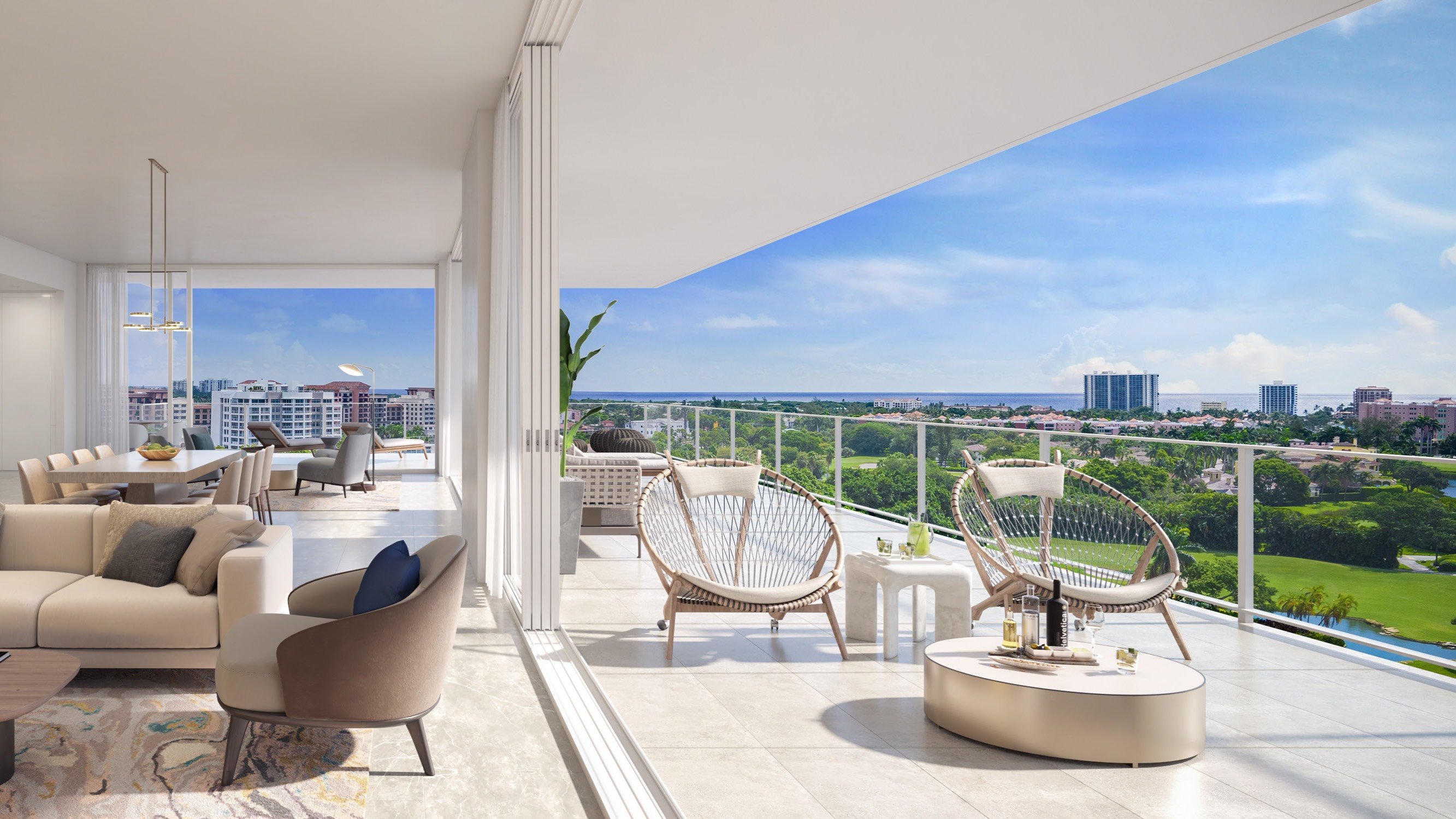
Boca Raton buyers often place a premium on outdoor living. Terraces, loggias, gardens, pools, summer kitchens, and roof areas can define the experience of a home. They can also shape acoustic privacy. Ask how outdoor spaces relate to neighbors, common areas, streets, water, landscape equipment, and entertainment zones.
In a single-family environment, consider the placement of pool equipment, generators, outdoor speakers, gates, driveways, and neighboring patios. In a condominium, consider terrace depth, sidewall separation, balcony stacking, outdoor amenity proximity, and how sound travels across open air. A calm interior does not guarantee a calm terrace.
At Mr. C Residences Boca Raton, as with any residence that attracts buyers seeking a refined lifestyle, acoustic privacy should be weighed alongside service, design, and location. The most elegant outdoor space is the one you can use comfortably, not only the one that looks impressive in daylight.
A sophisticated buyer should move from verbal reassurance to written clarity. Ask whether acoustic specifications, product information, floor assemblies, glazing details, amenity rules, renovation standards, and building guidelines can be reviewed before closing. If the purchase involves customization, ask which design choices could improve or compromise sound control.
For condominiums, review alteration rules for flooring, speakers, media rooms, and home automation. For estates, ask about mechanical equipment, landscape maintenance, pool systems, and exterior entertainment infrastructure. If a property includes staff quarters, guest suites, or a home office, consider whether those spaces are acoustically independent enough for the way you live.
Finally, make sound part of the walk-through. Turn off music. Close doors. Stand still. Listen from the primary suite, secondary bedrooms, kitchen, study, powder room, terrace, elevator vestibule, and entry. Luxury announces itself not only in marble, millwork, and views, but in the absence of intrusion.
Why is acoustic privacy important in Boca Raton luxury real estate? It affects sleep, entertaining, work, and the overall feeling of discretion inside the residence.
Should I ask about acoustic privacy before making an offer? Yes. The earlier you ask, the easier it is to compare residences and request documentation.
What rooms should I test for sound first? Start with the primary suite, home office, guest rooms, living area, terrace, and entry sequence.
Are high floors always quieter? Not automatically. Quiet depends on adjacency, glazing, amenity placement, and building design.
Can a beautiful terrace still have poor acoustic privacy? Yes. Outdoor sound can travel from amenities, neighbors, streets, equipment, or event areas.
What should condo buyers ask about shared walls? Ask what is on the other side and how the wall, floor, and ceiling assemblies were planned.
Should I visit the property more than once? Yes. Different times of day can reveal elevator use, amenity activity, traffic, and household rhythms.
Do branded residences require different acoustic questions? Ask how private residential areas are separated from service, hospitality, guest, and amenity circulation.
Can interior design improve acoustic comfort? It can help, but furnishings should support a strong architectural and construction foundation.
What should I document before closing? Request relevant specifications, rules, alteration standards, and any details tied to sound separation.
For a confidential assessment and a building-by-building shortlist, connect with MILLION.
If branded residences are on your mind — as a home or as an allocation — we would be glad to share what we are seeing, privately.
Begin a quiet conversation