The Delmore’s purchase-payment schedule is not a reserve-funding plan. For buyers, the essential diligence concerns opening reserve balances, access to invested funds, and the assumptions behind future capital needs.
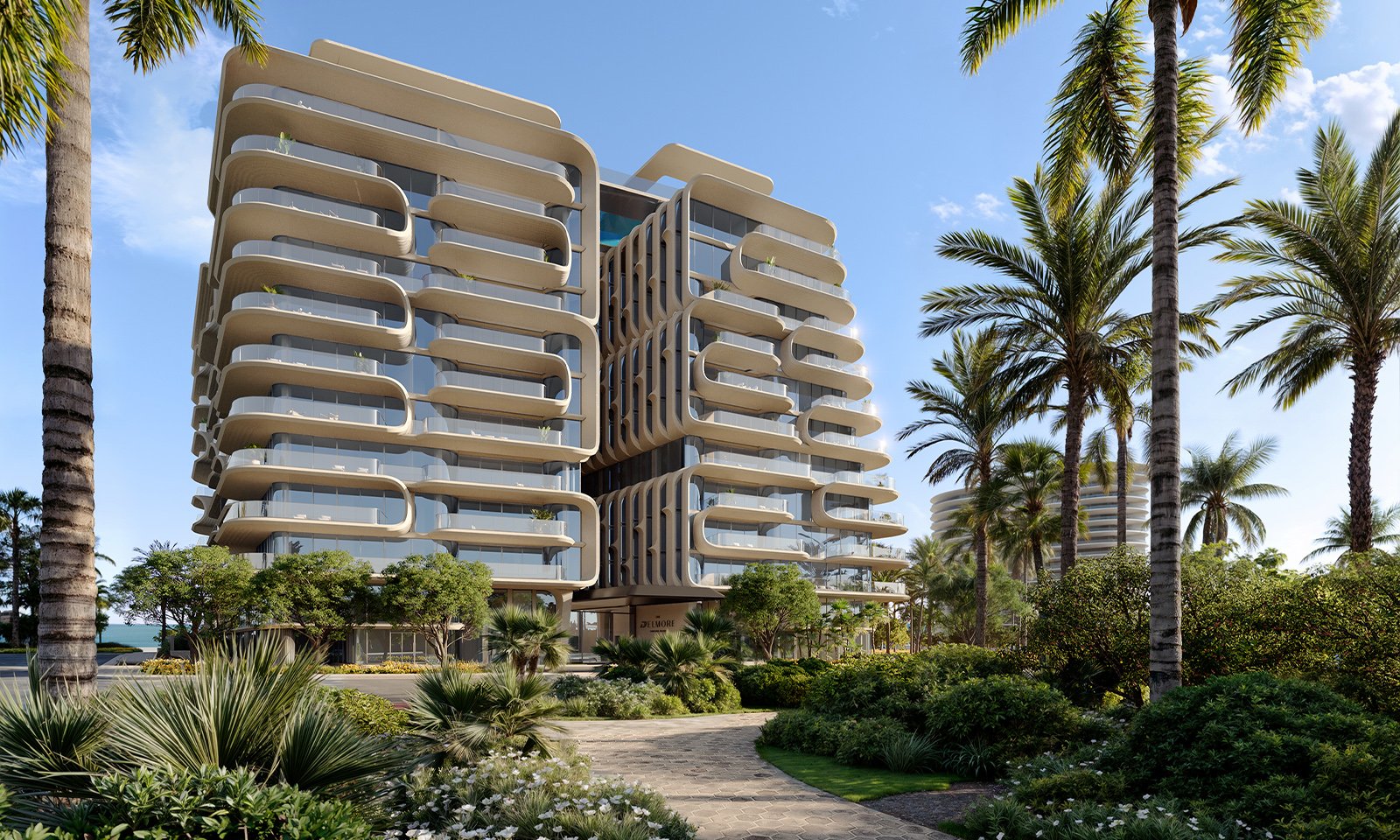
An exceptional oceanfront residence warrants financial scrutiny as considered as its architecture. The Delmore Surfside is planned as a 12-story condominium at 8777 Collins Avenue, developed by DAMAC International and designed by Zaha Hadid Architects. Those particulars establish the project’s identity-not the association’s future financial position.
For a buyer, the distinction is consequential: the schedule for acquiring a residence is not the schedule for maintaining the building. The published deposit material addresses purchase payments, including an amount due at closing. It does not establish an opening reserve balance, a projected reserve balance at turnover, or a minimum association liquidity target.
That distinction should frame diligence, not prejudge the property. The material establishes neither actual reserve liquidity nor an investment policy, and it identifies no specific future capital-call amount or date. This is not evidence that reserves, policies, or studies do not exist. These questions require association-specific documentation, not inference from marketing materials.
Keep three financial categories distinct when reviewing the acquisition: buyer deposits, association reserve contributions, and any future special assessment. Treating them as interchangeable can obscure both the purchase commitment and the potential cost of ownership.
Buyer deposits belong to the purchase-payment schedule. Reserve contributions fund the association’s capital expenditures and deferred maintenance. A future special assessment is a separate potential obligation; its purpose, authorization, allocation, and payment terms would require their own review. None should be inferred from the timing of another.
Ask your advisers to distinguish purchase payments from any separately documented operating, reserve, or other association charges at closing. Then request the assumptions linking the proposed budget to the expected opening reserve position. If a contribution is described as working capital, ask how the governing documents classify it. Do not assume it is available for capital replacement.
The objective is a reconciled picture of what the buyer pays, what reaches the association, and what is designated for reserves.
A reserve balance shows how much is held at a particular moment. Liquidity concerns whether those funds can be accessed when an authorized expense must be paid. Review the two together.
Request the projected reserve balances at commencement of association operations and at turnover, with the assumptions behind each. Ask to see contributions and anticipated expenditures over time, not merely as a single annual figure. Distinguish projected amounts from funds already received, and ask what documentation supports each category.
Then connect that schedule to access. What portion is immediately available? What portion, if any, is invested until a later maturity? What minimum readily available balance is contemplated, and who monitors it? These are questions about the proposed financial framework, not assertions about The Delmore’s arrangements.
For a buyer also considering Ocean House Surfside, the same document-led review provides a useful basis for comparison without assuming the two associations have equivalent funding structures.
The reserve-investment policy, if adopted, deserves separate review. Projected earnings alone cannot establish whether funds will be accessible when needed or who may change the investment approach.
Ask for the written policy and clarify its status: proposed, adopted, or subject to revision. Review permitted instruments, maturity limits, principal protection, custodial arrangements, concentration controls, withdrawal conditions, and approval authority. These are diligence topics, not a statement that Florida requires every listed provision or that The Delmore has adopted any particular investment strategy.
Ask how investment maturities would align with anticipated capital spending. If a payment becomes necessary earlier than expected, what access conditions would apply? If projected earnings fall short, how would the funding schedule be reconsidered?
The central question is not simply what reserves might earn, but how the policy balances those earnings with the purpose and timing of the funds. The deposit material establishes no particular yield, instrument, or liquidity restriction for The Delmore.
Florida’s 2025 condominium statute requires budgets to include reserve accounts for capital expenditures and deferred maintenance in addition to annual operating expenses. Specified categories include roof replacement, building painting, and pavement resurfacing, regardless of cost. Other qualifying items must be included when they exceed the applicable statutory reserve threshold.
For associations required to obtain a structural integrity reserve study, funding for covered components must follow the applicable study-based statutory requirements. Reserve funds are generally restricted to authorized reserve expenditures, with statutory conditions and additional restrictions governing alternative uses.
Those principles provide a baseline, not a conclusion about this building. A reserve budget alone does not establish adequate funding. Component costs and remaining useful lives matter, as do the assumptions linking them to contributions.
Have Florida condominium counsel confirm the requirements applicable at the time of purchase, including any changes after 2025. The legal framework described here should not be treated as a verified account of subsequent amendments.
A defensible discussion of major capital calls starts with a spending schedule, not an assumed anniversary. Ask which components are included, what replacement costs are estimated, and what remaining useful lives support the timing. Then examine the projected balance before and after each anticipated expenditure.
Request clearly labeled scenarios in which costs rise, work occurs earlier, or investment earnings fall below assumptions. These are analytical tests, not forecasts for The Delmore. Their purpose is to identify when the proposed plan might need revision and what additional funding questions would follow.
If advisers identify a potential gap, distinguish an illustrative funding need from an authorized special assessment. Ask counsel how any proposed charge would be approved and allocated to the residence. A projected building-level shortfall is not, by itself, a verified individual payment obligation.
For buyers weighing Rivage Bal Harbour alongside Surfside options, compare the clarity of these assumptions rather than drawing conclusions from monthly charges alone.
Before committing, seek a coherent set of documents: the proposed association budget, reserve schedule, applicable study documentation, projected opening and turnover balances, and any adopted investment policy. Ask advisers to distinguish projections from documented balances and identify decisions that remain subject to change.
The essential distinction is between a compelling residence and a documented ownership plan. Neither architectural authorship nor a purchase-payment schedule substitutes for evidence of how capital needs will be funded. Equally, unanswered reserve questions should not be presented as proof of financial weakness.
For a discreet perspective on South Florida residences and the questions worth asking before purchase, connect with MILLION.
If branded residences are on your mind — as a home or as an allocation — we would be glad to share what we are seeing, privately.
Begin a quiet conversationThe Delmore is a planned 12-story oceanfront condominium at 8777 Collins Avenue in Surfside. DAMAC International is the developer, and Zaha Hadid Architects designed the project.
No. The published schedule addresses purchase payments, including an amount due at closing, rather than establishing an association reserve-funding schedule.
The deposit material does not establish a verified opening reserve balance or projected balance at turnover. That does not demonstrate that reserves or supporting documents do not exist.
A balance identifies the amount held at a particular time. Liquidity concerns whether the funds can be accessed when an authorized expense needs to be paid.
Request any adopted policy and review permitted investments, maturities, access conditions, safeguards, and approval authority. The deposit material does not establish The Delmore’s investment arrangements.
Specified categories include roof replacement, building painting, and pavement resurfacing regardless of cost. Other qualifying capital or deferred-maintenance items are included when they exceed the applicable statutory threshold.
No. Adequacy depends on component costs, remaining useful lives, and the funding assumptions, not simply the existence of reserve accounts in a budget.
For associations required to obtain such a study, funding for covered components must follow the applicable study-based statutory requirements. Buyers should have counsel confirm the requirements applicable to their purchase.
The materials discussed do not establish a specific future capital-call amount or date. An illustrative funding gap should not be mistaken for an authorized special assessment.
Request the proposed budget, reserve schedule, applicable study documentation, projected opening and turnover balances, and any adopted investment policy. Have advisers distinguish projections from documented balances and confirm applicable law.