For Miami Beach buyers, entertaining well begins with understanding what happens beyond the residence. Municipal noise rules, building-specific elevator procedures, catering cleanup, and neighbor relations deserve the same scrutiny as the dining room or terrace.
A beautifully proportioned dining room is only one part of an entertaining-ready home. For Miami Beach buyers, the more revealing test is what happens between the loading entrance and the final guest departure. A gathering can be elegant inside the residence yet poorly coordinated beyond its doors.
Use your seasonal entertaining calendar as a practical buying tool. Outline the occasions you expect to host, from intimate dinners to larger celebrations, then ask management to explain how each would work. The aim is not to assume a predictable seasonal surge in elevator traffic, but to establish whether your intended use fits the building's written procedures.
When considering 57 Ocean Miami Beach, for example, pair the residence viewing with a request for current entertaining and vendor rules. This is a diligence exercise, not a statement about the property's policies. Apply the same discipline to every comparison: separate the home's appeal from permission to coordinate an event beyond the residence.
Miami Beach's noise ordinance applies 24 hours a day, including to events on private property. A daytime gathering is not automatically exempt, and an evening party does not become regulated only at 11:00 p.m. Unreasonably loud, excessive, unnecessary, or unusual noise is an enforcement concern.
Between 11:00 p.m. and 7:00 a.m., noise plainly audible at least 100 feet from a building, structure, or vehicle may trigger an enforcement assessment following a complaint. That provision does not permit disruptive sound at shorter distances. Buyers should distinguish the overnight criterion from the broader obligation to avoid unreasonable noise throughout the day.
A special-events permit, where applicable, does not authorize a noise violation. Event noise violations can result in a citation or revocation of that permit. Building approval is no substitute for municipal compliance.
Ask management for written sound restrictions and complaint procedures. Before selecting speakers, musicians, or an outdoor setup, establish what is permitted and who will respond if a concern arises.
The question is not simply whether a building has a service elevator. It is whether approved access arrangements can accommodate the full sequence of your event: deliveries, setup, catering arrivals, guest movement, breakdown, and collection.
For a residence under consideration at Apogee South Beach, request the actual booking procedures rather than inferring access from the property's positioning. Confirm reservation lead times, delivery windows, loading access, vendor insurance requirements, and any deposits or staffing charges. Ask whether guest limits apply and whether vendors must follow a designated route.
Then test one hypothetical gathering against those rules. Can flowers and rental furniture arrive within the permitted window? Can the caterer remove equipment after dinner, or must collection wait? Who resolves overlapping reservations?
These are building-specific questions, not universal condominium standards. Written answers make comparisons useful. A verbal assurance that entertaining is welcome does not explain how vendors will enter, where they may wait, or when they must leave.
The last course is not the end of the event. Cleanup needs its own approved timetable, particularly when a meal ends after the building's vendor-access window closes.
Request a written allocation of responsibility for food waste, trash, packaging, spills, furniture protection, and restoration of common areas. Clarify whether the caterer must remove materials from the property, where items awaiting collection may be held, and whether management requires a final inspection. These are questions to resolve, not assumptions about standard practice.
Buyers evaluating Five Park Miami Beach can use the same checklist without presuming any particular catering policy. Ask who pays for additional staffing or damage and how deposits, if required, are reconciled.
Build the resulting instructions into the vendor agreement. A host should know who remains responsible after guests leave and who can authorize a change if cleanup runs late. Quiet departures and a restored corridor belong to the hospitality plan as much as the table setting.
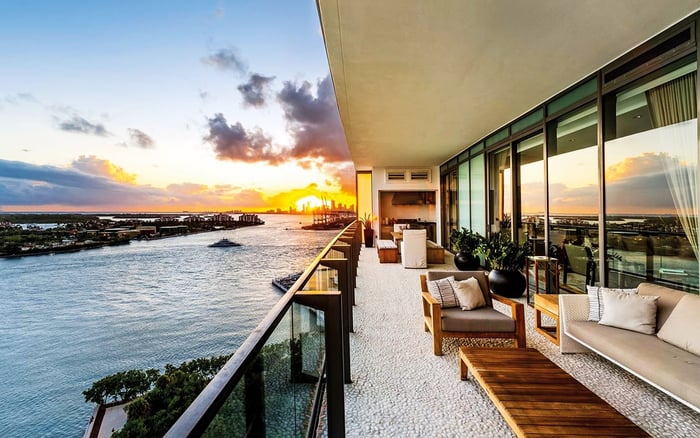
Outdoor entertaining deserves its own review. Ask whether the building has separate restrictions for terrace use, music, guest numbers, and late departures. Do not assume a private outdoor area is beyond the reach of municipal noise rules.
When comparing a residence at The Perigon Miami Beach, include those questions in the document review rather than attributing unverified rules to the project. What matters is the current written policy applicable to the residence you are considering.
Neighbor relations extend beyond music. Ask how management handles vendor arrivals, hallway conversations, departing guests, and post-event cleanup. Establish the designated contact for a complaint and the process for addressing it during an event.
Review relevant board minutes and violation correspondence where available. Examine how concerns were handled rather than assuming every complaint signals a chronic problem. A clear response procedure helps buyers understand expectations before their first invitation goes out.
An entertaining calendar should also account for renovation plans. In the residential districts covered by Miami Beach's construction-noise provisions, weekday construction-noise hours are generally 8:00 a.m. to 6:00 p.m.; Saturday hours are generally 10:00 a.m. to 4:00 p.m.
Construction noise that violates Section 46-152 is not permitted on Sundays or national holidays in the specified districts. The residential provisions also extend to areas within 300 feet of the listed residential zoning districts. Confirm the property's applicable zoning and the scope of these provisions rather than importing rules from another municipality.
These are construction-noise provisions, not hours during which ordinary entertaining is automatically allowed. For a second residence, ask management separately about renovation access, work scheduling, and how construction deliveries interact with event bookings. Keeping the two sets of rules distinct avoids planning a gathering around the wrong standard.
Historical enforcement figures reinforce the importance of residential sound management. In Q3 2022, 451 noise cases were addressed; residential properties accounted for 273, or 60.53%. Those figures describe a past quarter, not current enforcement conditions, catering complaints, or a measured seasonal pattern.
The buying decision should rest on current documents and your intended use. Assemble the written sound rules, elevator procedures, vendor requirements, cleanup obligations, and complaint protocol. Have management walk through one representative event from arrival to departure.
The strongest fit is not necessarily the residence that promises the most permissive entertaining. It is the one whose verified procedures allow you to host as you intend while respecting the people around you.
For a more considered approach to your Miami Beach home search, explore MILLION.
If branded residences are on your mind — as a home or as an allocation — we would be glad to share what we are seeing, privately.
Begin a quiet conversationYes. The noise ordinance applies 24 hours a day, including to events on private property.
No. The overnight provision does not replace the city's round-the-clock restrictions on unreasonable noise.
Between 11:00 p.m. and 7:00 a.m., noise plainly audible at least 100 feet away may trigger an enforcement assessment following a complaint. It is not permission to create disruptive noise at shorter distances.
No. A special-events permit does not authorize a noise violation, and event noise violations can lead to a citation or permit revocation.
Request written service-elevator booking procedures, delivery windows, loading access, and vendor routes. Confirm any insurance requirements, deposits, staffing charges, and guest limits.
No universal condominium policy is established here. Buyers should confirm the current rules applicable to the specific building and residence.
Clarify responsibility for food waste, trash, packaging, spills, furniture protection, and restoring common areas. Set an approved removal timetable and identify who remains responsible after guests leave.
Ask how management handles vendor arrivals, hallway noise, late departures, cleanup, and complaints. Review relevant board minutes and violation correspondence where available.
In covered residential areas, hours are generally 8:00 a.m. to 6:00 p.m. on weekdays and 10:00 a.m. to 4:00 p.m. on Saturdays. Construction noise violating Section 46-152 is not permitted on Sundays or national holidays in specified districts.
No. The Q3 2022 figures provide historical enforcement context, not current conditions or a quantified pattern in seasonal elevator traffic or catering complaints.