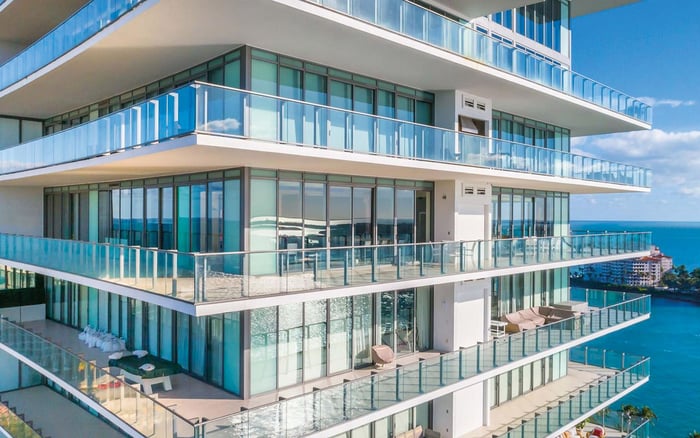
A Monaco and South Beach lifestyle works best when acquisition decisions anticipate the eventual exit. Market depth, condominium finances, discreet showings, and building-specific transfer requirements deserve as much attention as the residence itself.
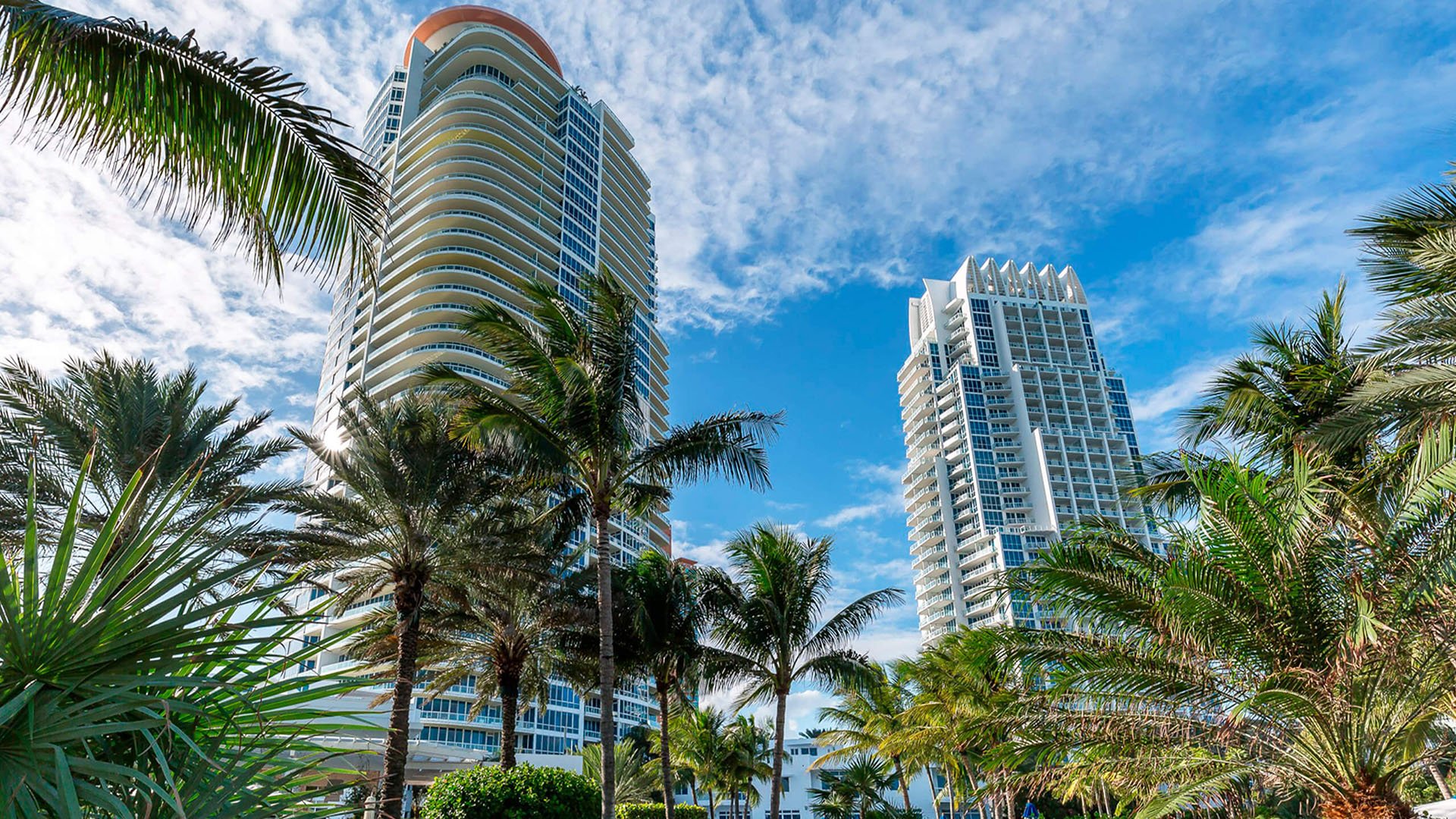
A home in Monaco and a residence in South Beach offer a compelling balance of Mediterranean and Atlantic living. Yet the most consequential purchase decisions often extend beyond the view: how readily the property could resell, what a future buyer will need to know, and how ownership can remain discreet while the home is on the market.
Treat the two residences as separate assets within a coordinated plan, not as interchangeable luxury holdings. Monaco’s constrained supply and international demand create one market dynamic. South Beach demands close attention to condominium finances, competing listings, and the rules governing a future transfer. Neither prestige nor scarcity guarantees a predictable time to sale.
The objective is not simply to buy well. It is to preserve options if travel patterns, family priorities, or capital needs change.
Monaco recorded 429 resale transactions in 2025, up 17.5% year over year and slightly above its decade average of 424. Total resale value rose 49.1% to approximately €3.2 billion. Those figures reflect meaningful activity in a small market, not a promise that any individual residence will find an immediate buyer.
The distinction between average and median is equally useful. Monaco’s average resale price was approximately €7.6 million, while the median was around €4 million. That gap cautions against treating a headline average as the likely value of a particular home. Condition, position, and building quality remain essential points of comparison.
South Florida’s figures require a different geographic discipline. Miami-Dade had approximately 12 months of condominium supply in July 2026, while Miami Beach’s $1 million-plus segment had approximately 19 months. Neither measure isolates South Beach, and months of supply does not predict an individual property’s marketing period.
For a buyer considering Apogee South Beach, the next step is a residence-specific comparison of competing homes, completed transactions, condition, and carrying costs. A neighborhood’s reputation should frame that analysis, not replace it.
In Monaco, turnkey condition, panoramic views, terraces, parking, security, and building quality are associated with premiums. Their value to exit planning is practical: they give a future purchaser identifiable reasons to prefer one residence over another.
The same discipline applies in South Beach, without assuming identical premiums. Separate durable characteristics from personal customization. Ask whether the layout serves a broad range of households, whether the condition supports an uncomplicated purchase, and whether ongoing costs can be understood before an offer is made.
When assessing Continuum on South Beach, apply that framework rather than assuming the project name establishes liquidity. Evaluate the specific residence and obtain current building documents. Inclusion in a shortlist implies neither project-level resale performance nor an approval timetable.
A distinctive home may still take time to sell. Purchase underwriting should accommodate that possibility rather than depend on an optimistic exit date.
In Miami Beach, a future buyer is purchasing into a building as well as acquiring a residence. Reserves, deferred maintenance, litigation, and investor concentration can affect financing eligibility. Even a cash buyer should examine these issues: the eventual purchaser may need financing.
Request the milestone inspection and structural-integrity reserve study where applicable, along with reserve balances, assessments, financial statements, insurance information, litigation disclosures, and planned capital projects. Distinguish between a study that identifies future expenditure and the funding available to meet it.
Older buildings can face substantial shared-component costs for concrete restoration, roofs, waterproofing, elevators, and seawalls. Some Miami Beach assessment examples reach tens of thousands of dollars per residence, with certain projects exceeding $100,000. These are examples, not a market-wide average or an estimate for a particular building.
For an acquisition at Five Park Miami Beach, as elsewhere, request property-specific documents rather than carrying over assumptions from another building. Have qualified advisers assess applicable inspection and reserve obligations under current law.
Build an exit model around several scenarios: an orderly sale, a longer marketing period, and a sale requiring a price adjustment. Include ongoing ownership expenses, disclosed assessments, anticipated preparation costs, and transaction expenses confirmed by advisers in each jurisdiction.
Across Miami, many condominium closings occur approximately 5-7% below asking. That broad observation is not an automatic discount to apply to a South Beach residence. Asking prices may themselves be misaligned, and building-specific competition matters more than a regional negotiating convention.
For a two-city owner, also ask whether one residence could comfortably remain unsold while the other is retained. Coordinate ownership structure and sale authority with legal and tax advisers before acquisition. Keep an organized file of purchase records, improvements, approvals, insurance, and building correspondence as a planning measure, not a presumed universal legal requirement.
Plan showing privacy with the selling broker rather than assuming a standard Monaco or South Beach protocol. Establish who may authorize access, how prospects will be identified, and what financial qualification is appropriate before a private appointment.
Agree on scheduled showing windows, accompanied access, and photography restrictions. Remove or secure personal documents, family photographs, valuables, and details that reveal travel patterns. Decide which images can circulate publicly and which materials should be reserved for qualified prospects.
For owners evaluating Setai Residences Miami Beach, these are recommended discussion points, not statements about the building’s policies. Confirm access arrangements with management and the broker.
Discretion should limit unnecessary exposure without obstructing legitimate due diligence. A controlled presentation can protect the household while giving a serious buyer enough information to proceed.
Before purchase, have counsel review the condominium’s governing documents for any application, interview, screening, financial-disclosure, or transfer requirements. Confirm whether restrictions affect the intended ownership structure and which review periods apply. Do not assume a universal approval process or deadline.
Ask how a future resale application would be submitted, which documents would be needed, and who would coordinate responses while you are abroad. Recheck the governing documents when selling; acquisition-stage information is not a permanent guarantee.
The strongest two-city plan combines enjoyment with preparedness: a residence chosen for enduring appeal, a building whose finances can withstand scrutiny, and an exit process that respects both privacy and the next buyer’s requirements.
Explore a considered approach to South Florida ownership with MILLION.
If branded residences are on your mind — as a home or as an allocation — we would be glad to share what we are seeing, privately.
Begin a quiet conversationNo. Constrained supply and international demand support the market, but neither establishes immediate liquidity for an individual residence.
Monaco recorded 429 resale transactions, up 17.5% year over year. Total resale value was approximately €3.2 billion.
No. Miami Beach’s approximately 19 months of supply in the $1 million-plus segment does not isolate South Beach or predict an individual residence’s marketing period.
Turnkey condition, panoramic views, terraces, parking, security, and building quality are associated with premiums. Their effect must still be assessed for the particular residence.
A future purchaser may need financing. Reserves, deferred maintenance, litigation, and investor concentration can affect underwriting and therefore the potential buyer pool.
Review applicable inspections and reserve studies, reserve balances, assessments, financial statements, insurance, litigation disclosures, and planned capital projects.
No. That range is a broad Miami observation, not a building-specific forecast; pricing should reflect the residence and its actual competition.
Agree with the broker on prospect identification, appropriate qualification, accompanied access, showing windows, and photography restrictions. These are recommendations, not universal local requirements.
No universal process or deadline is established here. Verify applications, screening, disclosures, transfer restrictions, and review periods against each building’s governing documents.
As a planning measure, maintain purchase records, improvement documentation, approvals, insurance information, and building correspondence. Coordinate ownership structure and sale authority with legal and tax advisers.