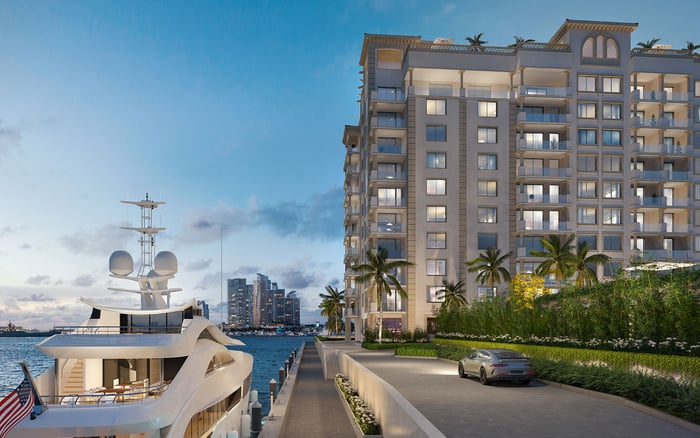
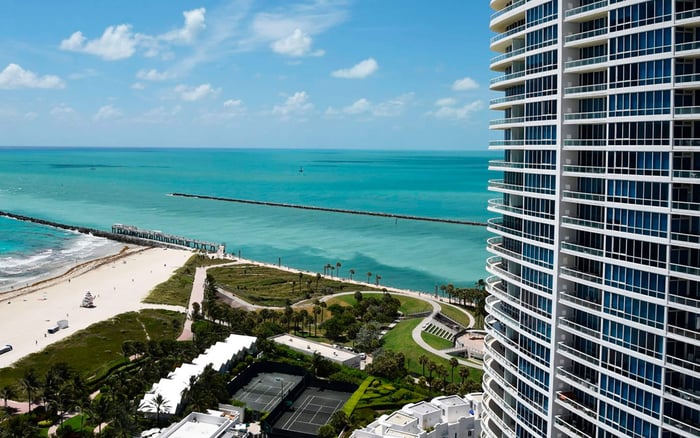
A discreet due-diligence framework for evaluating seasonal service coverage, storm preparation, residence access, communications, and post-event recovery before buying a Miami Beach condominium.

In Miami Beach, purchasing a luxury condominium means assessing more than architecture, views, finishes, and amenities. It also means evaluating how the property operates when many owners are away, staffing patterns shift, or a major weather event demands decisive preparation.
For a second-home buyer, that operating layer warrants close attention before an offer becomes binding. A polished tour may reveal little about overnight coverage, authority to enter a residence, the sequence for securing exterior spaces, or the process for reopening the building. This buyer’s guide focuses on the questions that bring those systems into view.
The same discipline applies across oceanfront and waterfront properties, whether reviewing The Perigon Miami Beach or comparing it with other Miami Beach choices. The objective is not to assume that one operating model is superior, but to establish precisely what is promised, documented, funded, and available to your particular residence.
Begin with an organization chart, not a staffing superlative. Ask management to identify the roles normally present during peak occupancy, quieter periods, nights, weekends, and holidays. Then determine which positions are held by employees, which are supplied by outside vendors, and who holds decision-making authority when senior management is unavailable.
Test the model against practical scenarios. Who receives an urgent call from an absent owner? Who can inspect a reported leak, coordinate approved access, or document a unit’s condition? Is engineering coverage on-site, on call, or vendor-based? Do valet, security, front-desk, housekeeping, and resident-services schedules change seasonally? A buyer should distinguish between a staffed desk and a team empowered to resolve a problem.
When considering a service-led address such as Setai Residences Miami Beach, ask how residential responsibilities are separated from any adjacent hospitality functions. The relevant issue is not the brand impression, but the written service boundary, escalation path, and priority assigned to residents during constrained operations.
“Storm lock-up” can sound comprehensive while remaining undefined. Request a written description of the service, including every space and item it covers. Does the scope contemplate terrace furniture, planters, grills, exterior art, cabanas, vehicle arrangements, window treatments, water shutoffs, or interior inspections? Which tasks remain solely the owner’s responsibility?
Clarify how the service is activated. Determine whether enrollment is automatic, optional, separately charged, or available only through an approved vendor. Ask when owners must authorize entry, where keys or digital credentials are held, and what happens when instructions arrive after the building’s preparation deadline.
For homes with extensive outdoor living-including possibilities buyers may encounter while evaluating Shore Club Private Collections Miami Beach-inventory matters. Photograph and label movable objects, record handling restrictions, and ask where secured items will be stored. The plan should also specify how and when those items will be returned.
A credible plan should identify who declares each operating stage, who communicates it, and who holds backup authority. Ask to see the building’s current procedures, owner notices, contact protocol, and unit-access forms. Review how management records entry, work performed, photographs, exceptions, and unsuccessful attempts to reach an owner.
Communication warrants particular scrutiny. Ask whether notices are sent by email, text, telephone, resident portal, or multiple channels. Confirm how family members, household staff, property managers, and authorized representatives are included without creating conflicting instructions. An absentee owner should designate a local decision-maker and ensure management has current credentials before they are needed.
Also determine how privacy and urgency are balanced. Entry permissions should define the purpose, authorized personnel, documentation, and limits. Your attorney can help review the declaration, rules, management agreements, waivers, and offer language relevant to access and services.
Storm readiness extends into common areas and building systems. Ask management to explain-without broad assurances-the intended approach to elevators, garages, loading areas, access control, drainage, pumps, life-safety systems, communications, and backup power. Seek clarity on what backup power is intended to serve and what it is not.
At The Ritz-Carlton Residences® Miami Beach, as at any candidate building, buyers should connect amenity expectations with operational questions. If elevators, cooling, vehicle retrieval, marina-related access, or private services matter to daily use, ask how each is treated during preparation, restricted access, and recovery.
The inquiry should continue after the weather passes. Who performs the initial assessments? How are owners notified that access is permitted? Which vendors are preapproved, and how are competing requests prioritized? Ask how management distinguishes common-element work from owner-responsibility work, and how charges are communicated before nonemergency services proceed.
Do not leave material expectations in conversation. Request current versions of the relevant policies, service menus, fee schedules, emergency contacts, access forms, vendor rules, insurance requirements, meeting materials, budgets, and notices. For a resale purchase, seek records that help your advisers assess whether actual practices align with the seller’s description.
Create a one-page matrix with five columns: question, written answer, governing document, responsible party, and unresolved issue. Compare buildings by the specificity of their answers, not the elegance of their presentation. A precise limitation can be more useful than an expansive but undocumented promise.
Before making an offer, decide which answers are preferences and which affect price, timing, contingencies, or willingness to proceed. Coordinate with your attorney, insurance adviser, inspector, and property manager. MILLION can help frame the property comparison, while the buyer’s professional team evaluates the legal, technical, and coverage implications.
What is the first seasonal staffing question to ask? Ask who is physically on-site during nights, weekends, holidays, and lower-occupancy periods, then identify who has authority to act.
Should a buyer rely on a verbal description of storm lock-up? No. Request the current written scope, exclusions, authorization procedure, deadlines, and fee schedule for the specific residence.
Does storm lock-up necessarily include terrace furniture? Do not assume it does. Ask whether furniture handling is included, where items are stored, and whether size, weight, or liability restrictions apply.
Who should authorize entry when the owner is away? The owner should designate an authorized representative under the building’s procedures and review that arrangement with counsel.
What should buyers ask about backup power? Ask which specific systems and common areas it is intended to support, how long operational planning contemplates, and what remains unavailable.
How should communications be tested before closing? Confirm every delivery channel, recipient, escalation contact, and method for acknowledging urgent instructions or notices.
Are hospitality-branded services automatically available during a storm? Never presume continuity from branding alone. Verify the residential service obligations, restrictions, priorities, and emergency operating plan in writing.
What records are useful for an absentee buyer? Seek policies, access forms, service menus, fee schedules, owner notices, vendor rules, and relevant governance and financial materials.
Should storm procedures influence an offer? They may affect diligence, timing, contingencies, price, or the decision to proceed, depending on the buyer’s priorities and professional advice.
Who should review the building’s answers? Engage appropriate legal, insurance, inspection, and property-management advisers to evaluate documents within their respective specialties.
For a confidential assessment and a building-by-building shortlist, connect with MILLION.
If branded residences are on your mind — as a home or as an allocation — we would be glad to share what we are seeing, privately.
Begin a quiet conversation