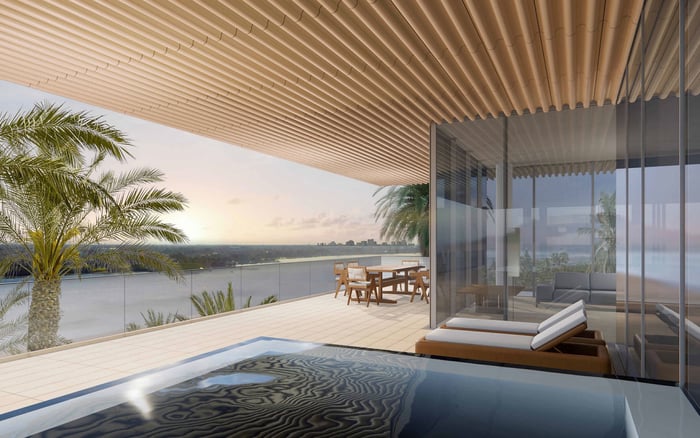
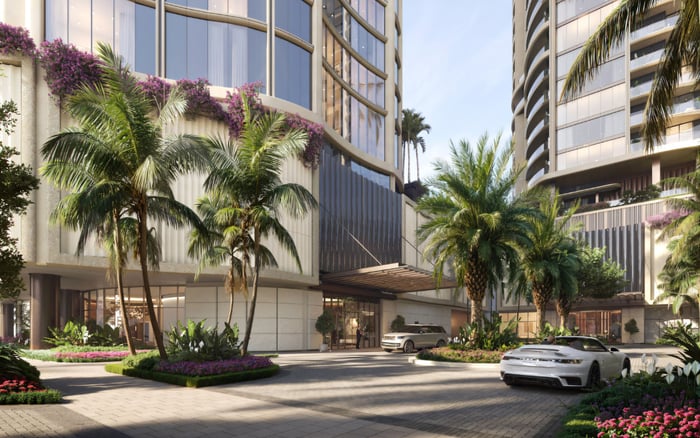
A refined guide to evaluating a West Palm Beach pied-à-terre not merely as a seasonal escape, but as a durable long-term residence and investment-quality hold.
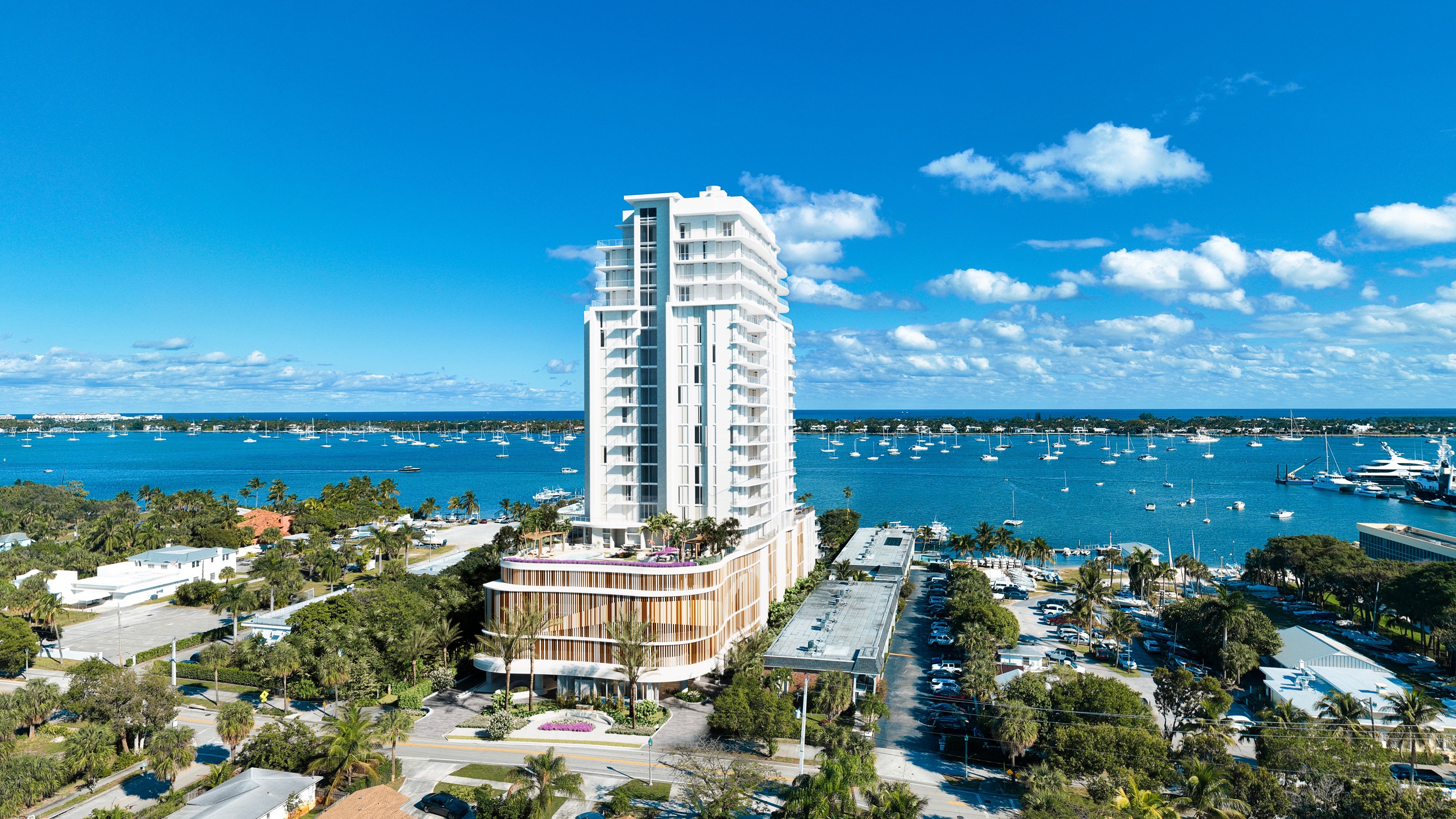
A seasonal pied-à-terre in West Palm Beach should never be judged solely by how it feels during the first winter. The more useful question is whether the residence can remain graceful, practical, and financially rational after a decade of ownership. That is where a casual escape becomes a serious long-term purchase.
For the ultra-premium buyer, the best pied-à-terre is not a compromise. It is a smaller, more precise version of a primary home, with the service, privacy, storage, and livability to support evolving use. Today, it may be a warm-weather retreat. Later, it may become a longer seasonal base, a family gathering point, or a step toward a larger Palm Beach County presence.
West Palm Beach is especially compelling because it can serve several roles at once: urban, residential, coastal-adjacent, cultural, and highly connected within South Florida. The buyer who treats the acquisition first as a lifestyle instrument, and then as an investment, usually makes the clearest decision.
The common mistake is to buy for a perfect February weekend. A stronger approach is to study how the home performs in ordinary conditions: arriving late, leaving early, hosting quietly, storing clothing between visits, receiving deliveries, arranging maintenance, and allowing guests or family to use the residence without friction.
A pied-à-terre that works long term should make absence easy. The building must feel competent when the owner is away, not merely polished when the owner is present. Concierge protocol, package handling, service access, elevator reliability, parking logic, and the tone of the lobby all matter because they define the ownership experience across hundreds of small interactions.
The interior should also have a future. A one-bedroom plan can be elegant, but it must be honest about how it will be used. A den, a real laundry area, a workable kitchen, acoustic privacy, and storage that does not depend on improvisation can matter more than decorative square footage. If the residence will ever host children, grandchildren, staff, or visiting friends, circulation becomes a value driver.
This is why many buyers compare new-construction options such as Alba West Palm Beach with established or emerging alternatives across the city. The purpose is not to chase novelty. It is to understand which building format best supports repeated, low-effort use.
In a seasonal residence, the building is not a backdrop. It is the operating system. A beautiful apartment in an indifferent building can become burdensome, while a disciplined building can make a modest footprint feel remarkably complete.
Look closely at the balance between amenities you will use and amenities you will simply pay for. A serious buyer should value quiet service, thoughtful security, functional wellness spaces, parking ease, and guest management above spectacle. In a pied-à-terre, the highest luxury is often the absence of inconvenience.
Privacy also matters differently in West Palm Beach than it does in a purely resort market. Owners may want access to restaurants, offices, clubs, cultural venues, and the island, while still preserving a residential rhythm. That balance favors buildings with a calm arrival sequence and a clear separation between public energy and private living.
For some buyers, the appeal of Forté on Flagler West Palm Beach is the ability to consider a more residential expression of the city’s eastern edge. Others may look at Mr. C Residences West Palm Beach when they want a branded hospitality sensibility without losing the cadence of private ownership.
The key is to avoid buying the brochure version of a building. Buy the lived version: how it sounds, how it receives you, how it handles service, and how it will age under real ownership.
The best pied-à-terre locations simplify life. They shorten the distance between arrival and relaxation. They make dinner, errands, wellness, and social plans feel natural. They also give the owner optionality: stay in, go out, cross the bridge, meet friends, work quietly, or host without logistics becoming the evening’s main event.
West Palm Beach offers a different proposition from Palm Beach itself. It can give buyers a more urban base while keeping the island close enough to remain part of daily life. For many, that is precisely the point. A pied-à-terre here is not necessarily a substitute for Palm Beach. It can be a more flexible command center for the broader Palm Beach lifestyle.
Waterfront orientation can be compelling, but it should be evaluated with discipline. Views are emotional; exposure, access, privacy, and building quality are practical. A residence with a beautiful outlook but difficult daily mechanics may disappoint over time. Conversely, a quieter address with a better plan and stronger operations may serve the owner more faithfully.
Properties such as Shorecrest Flagler Drive West Palm Beach and The Ritz-Carlton Residences® West Palm Beach can enter the conversation when buyers are comparing the feel of Flagler Drive, service expectations, and long-term lifestyle fit. The right choice is the one that reduces recurring decisions.
A seasonal home becomes a serious purchase when it has credible exit logic. That does not mean buying timidly. It means choosing attributes that another sophisticated buyer will also understand: quality location, efficient plan, strong light, privacy, parking, storage, service, and a building identity that is not dependent on a short-lived trend.
The best second-home purchase should not feel stranded if personal plans change. If the owner spends more time in South Florida, the residence should scale up emotionally. If the owner uses it less, it should remain desirable as a lock-and-leave holding. If the family’s needs shift, the asset should be legible to the next buyer.
This is where restraint can outperform excess. Highly specific finishes, awkward customizations, and overspending on features that do not improve daily life can narrow the future audience. A refined, durable interior with a calm point of view usually travels better through market cycles than a theatrical one.
A long-term buyer should also understand building rules before falling in love. Guest policies, leasing parameters, pet rules, renovation procedures, insurance obligations, and assessment history all shape ownership. None is glamorous, yet each can influence whether a pied-à-terre remains effortless.
The right West Palm Beach pied-à-terre should not require the buyer to rationalize too much. It should feel pleasurable, but also coherent. The building should be professionally run. The plan should make sense. The location should match the owner’s true rhythm. The monthly responsibilities should feel proportional to the use and to the quality of the asset.
For ultra-premium buyers, the winning residence is often the one that resists overstatement. It does not need to perform as a trophy every day. It needs to welcome the owner, protect time, and remain useful as life changes. That is the difference between a seasonal indulgence and a long-term West Palm Beach holding with genuine staying power.
What is the most important quality in a West Palm Beach pied-à-terre? Ease of ownership is paramount. The residence should be simple to arrive at, simple to leave, and simple to maintain between visits.
Should a pied-à-terre be bought like a primary residence? It should be evaluated with similar rigor, even if the use is seasonal. Long-term comfort depends on practical details, not only atmosphere.
Is a smaller residence always better for seasonal use? Not necessarily. The best size is the one that supports privacy, storage, guests, and future flexibility without waste.
How important is building management? Extremely important. In a seasonal home, the building often manages the owner’s absence as much as the owner’s presence.
Should buyers prioritize views or floor plan? Views matter, but the floor plan usually determines daily satisfaction. The strongest purchase balances both without sacrificing function.
Can a pied-à-terre become a long-term investment? It can, if the fundamentals are strong. Location, building quality, efficient design, and broad future appeal are essential.
Are branded residences always the right choice? Not always. Branding can add service identity, but buyers should focus on operations, privacy, and how the residence will live over time.
What should buyers review before making an offer? Building rules, monthly costs, reserves, insurance obligations, guest policies, leasing parameters, and renovation procedures all deserve attention.
Does West Palm Beach suit full-time use later? For many buyers, yes. The city can function as a seasonal base first and a more regular South Florida home later.
What is the best way to shortlist comparable options for touring? Start with location fit, delivery status, and daily lifestyle priorities, then compare stacks and elevations to validate views and privacy.
For a discreet conversation and a curated building-by-building shortlist, connect with MILLION.
If branded residences are on your mind — as a home or as an allocation — we would be glad to share what we are seeing, privately.
Begin a quiet conversation