A Las Olas pied-à-terre should be evaluated less as a casual winter address and more as a durable South Florida asset: easy to use, easy to maintain, discreetly serviced, and positioned for evolving ownership needs.
A seasonal pied-à-terre in Las Olas can be a pleasure purchase, but the strongest examples are not bought on mood alone. They are acquired with the same discipline a buyer would bring to a primary residence, because the best small-format South Florida homes must perform across more than one season, one ownership phase, and one lifestyle need.
Las Olas has a particular appeal for buyers who want Fort Lauderdale without feeling removed from the daily rhythm of the city. The right residence can serve as a refined base for dinners, boating days, gallery visits, beach weekends, family visits, and extended winter stays. Yet the long-term purchase case depends on a deeper question: will the home still feel useful, relevant, and easy to own once the novelty of a seasonal escape becomes routine?
That is where the best pied-à-terre decisions become less about square footage and more about friction. A serious buyer should study arrival, parking, storage, service, security, guest flow, building governance, and the way the residence lives when the owner is away. The ideal Las Olas address should feel effortless in January, but it should also be defensible in July.
The most common mistake is buying for an imagined season rather than an honest calendar. A pied-à-terre may begin as a winter retreat, but it often becomes a place for long weekends, business stays, family overflow, or pre-retirement trial living. If the home cannot support those patterns with grace, it risks becoming a beautiful inconvenience.
For many buyers, a Las Olas residence should be large enough to avoid feeling temporary but compact enough to remain simple. A one-bedroom with a proper den, a two-bedroom with separated sleeping areas, or a boutique residence with flexible interior space may prove more useful than a larger floor plan that demands constant upkeep. The purchase should make spontaneity easier, not create another household to manage.
This is where Sixth & Rio Fort Lauderdale becomes a useful reference point for the modern urban buyer. Its position within the Las Olas lifestyle conversation underscores the value of walkable convenience, newer design thinking, and a scale that can appeal to owners who want presence without excess. A seasonal home should not require a full domestic operation to feel complete.
A serious pied-à-terre must be excellent when occupied and secure when empty. That means the building matters as much as the residence itself. Buyers should scrutinize staffed reception, controlled access, package handling, maintenance protocols, elevator reliability, parking arrangements, pet policies, and how management communicates with absent owners.
Luxury today is not only marble, views, or recognizable finishes. It is the confidence that the residence can sit quietly between visits and still be ready when the owner arrives. A well-run building creates invisible value: fewer calls, fewer surprises, fewer compromises. That matters especially for buyers who divide time between several homes.
The same logic applies to amenities. A pool, fitness room, lounge, and concierge program are valuable when they are maintained, appropriately scaled, and easy to use. They are less valuable when they become crowding points or expense items that do not match the owner's routine. In a Las Olas pied-à-terre, amenities should expand daily life without turning the building into a resort the owner did not intend to occupy.
Waterfront is one of the most enduring emotional drivers in Fort Lauderdale, and it can meaningfully shape the experience of ownership. But a Las Olas buyer should separate view romance from practical placement. A beautiful outlook is important, yet it does not replace access, service, building condition, noise considerations, insurance awareness, and long-term maintenance discipline.
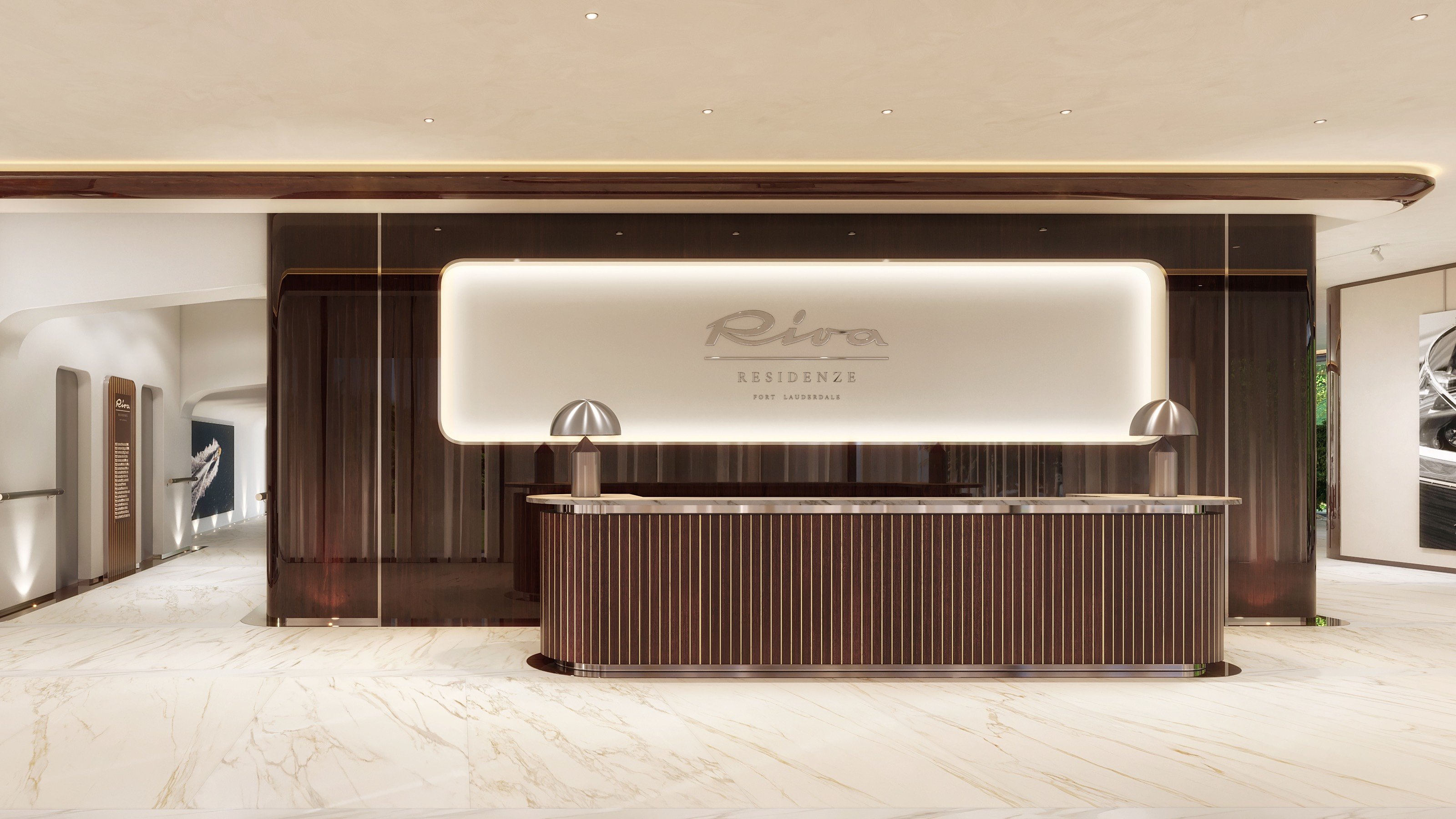
For buyers who want a more river-oriented Fort Lauderdale experience, Riva Residenze Fort Lauderdale illustrates the appeal of refined residential living tied to water, boating culture, and a calmer sense of arrival. The lesson is not that every pied-à-terre must be directly on the water. It is that water, when paired with strong building fundamentals, can deepen both lifestyle value and ownership resilience.
A serious long-term purchase should also be honest about climate exposure, balcony use, window systems, association planning, and the way the building presents itself over time. The best seasonal homes are not merely photogenic. They are durable.
A seasonal buyer often underestimates how much service quality affects satisfaction. In a full-time home, owners can solve small issues by proximity. In a pied-à-terre, distance magnifies every inconvenience. A loose delivery policy, difficult parking access, unclear maintenance communication, or limited after-hours support can make a luxurious residence feel surprisingly fragile.
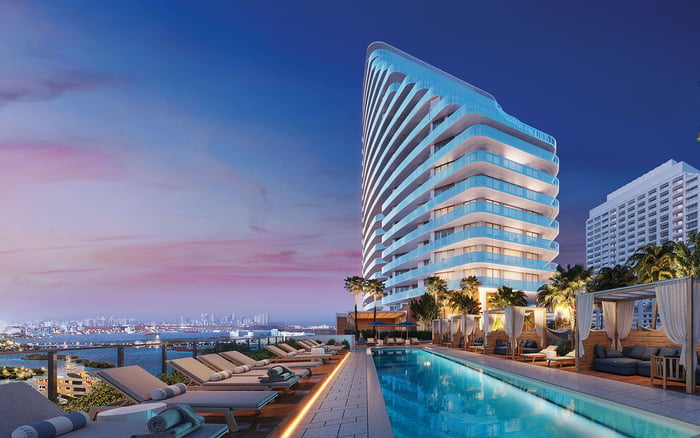
This is why branded and hospitality-oriented residences can be compelling when their service culture aligns with the owner's expectations. Four Seasons Hotel & Private Residences Fort Lauderdale speaks to buyers who prioritize managed ease, resort-caliber polish, and a beach-adjacent pattern of use. St. Regis® Residences Bahia Mar Fort Lauderdale offers another version of that conversation, with an emphasis on a more ceremonial ownership experience near the water and marina lifestyle.
Still, brand alone is not a substitute for fit. The right buyer should ask whether the service model supports privacy, whether the monthly cost structure feels rational for actual usage, and whether the building's pace matches the desired atmosphere. A pied-à-terre should feel cared for, not over-programmed.
Investment value in a seasonal pied-à-terre should be understood through optionality rather than speculation. The strongest purchase gives an owner choices: use it more often, hold it as a second home, transition toward longer stays, accommodate family, or eventually reposition it for resale when life changes.
That optionality depends on qualities that remain legible to future buyers. Walkability, views, parking, building reputation, sensible floor plans, outdoor space, natural light, and strong management are generally easier to understand than overly personalized finishes or a layout that works for only one narrow use case. A discreetly elegant residence usually travels better through market cycles than one built around a single decorative moment.
For the long-term pied-à-terre buyer, the broader lesson is to seek a building whose identity will remain clear after today's trend has passed. A serious purchase should feel specific enough to enjoy now and broad enough to remain understandable later.
Before buying, a Las Olas purchaser should examine the total cost of ownership with unusual care. Association dues, reserves, insurance exposure, parking, storage, furnishing, property management, housekeeping, and periodic maintenance can all affect the real experience of owning a seasonal home. The purchase price is only the entry point.
Governance is equally important. A building with clear rules, consistent maintenance standards, and a culture aligned with owner expectations can protect the daily experience. Buyers should understand rental restrictions, guest policies, renovation rules, pet guidelines, and move-in procedures before they fall in love with a view.
The best pied-à-terre is the one that remains easy to say yes to. It should be simple to arrive, simple to host, simple to close up, and simple to hold. In Las Olas, that combination is what converts a seasonal apartment into a serious long-term purchase.
Is Las Olas a good location for a seasonal pied-à-terre? Yes, for buyers who value walkability, dining, city access, and proximity to the broader Fort Lauderdale lifestyle.
Should I prioritize view or building services? Ideally both, but service quality often determines whether a seasonal home remains easy to own over time.
Is a smaller residence better for seasonal use? Often, if the layout is efficient, storage is adequate, and the home can host guests without feeling cramped.
What makes a pied-à-terre feel like a long-term purchase? Durable design, strong management, sensible costs, and flexible use make the home more resilient.
Does waterfront positioning always add value? Waterfront can enhance appeal, but it should be weighed against maintenance, exposure, access, and building quality.
Should a buyer consider branded residences in Fort Lauderdale? They can be compelling when the service model matches how the owner intends to use the home.
What should absent owners care about most? Security, communication, maintenance access, package handling, and reliable building staffing are essential.
Can a pied-à-terre also be an investment? Yes, if the purchase is based on location, usability, building strength, and broad future appeal.
How important is parking in Las Olas? Very important, especially for owners who arrive seasonally, host guests, or keep a vehicle in South Florida.
What is the best way to shortlist comparable options for touring? Start with location fit, delivery status, and daily lifestyle priorities, then compare stacks and elevations to validate views and privacy.
When you're ready to tour or underwrite the options, connect with MILLION.
If branded residences are on your mind — as a home or as an allocation — we would be glad to share what we are seeing, privately.
Begin a quiet conversation